Musikbibliotheken verwalten: Grundlagen für übersichtliche Playlists

Die Organisation einer digitalen Musiksammlung ist für viele Menschen in den USA zur Herausforderung geworden: Über 80 Prozent der digitalen Musikhörer nutzen inzwischen mehrere Streamingplattformen. Der Wandel von einfachen Playlists zu intelligenten Bibliotheken beeinflusst, wie Fans ihre Musik erleben, teilen und schützen. Wer moderne Methoden zur Verwaltung von Musikbibliotheken versteht, kann sich viel Frust ersparen und verstreute Songs zu einer übersichtlichen, sicheren und ganz persönlichen Musiksammlung zusammenführen.
Inhaltsverzeichnis
- Grundlagen der Musikbibliotheksverwaltung
- Arten von Musikbibliotheken und Playlists
- So funktionieren Synchronisierungs- und Übertragungstools
- Wichtige Funktionen für einen reibungslosen Umzug
- Häufige Stolperfallen und Sicherheitsrisiken bei der Musikverwaltung
Das Wichtigste auf einen Blick
| Aspekt | Details |
|---|---|
| Umfassende Musikverwaltung | Die Verwaltung von Musikbibliotheken umfasst anspruchsvolle Organisationsaufgaben. Ein effizienter Umgang mit Metadaten und passende Interaktionsmöglichkeiten helfen dabei, Musiksammlungen übersichtlich zu halten. |
| Vielfältige Musikbibliotheken | Musikbibliotheken können auf wissenschaftliche, öffentliche, private oder berufliche Zwecke ausgerichtet sein und erfüllen jeweils unterschiedliche Aufgaben in der digitalen Welt. |
| Bedeutung zuverlässiger Übertragungstools | Moderne Tools zum Synchronisieren und Übertragen von Musiksammlungen müssen genaue Metadaten und den vollständigen Erhalt von Playlists gewährleisten, damit die Nutzung auf verschiedenen Plattformen reibungslos funktioniert. |
| Umgang mit Sicherheitsrisiken | Nutzer sollten mögliche Sicherheitsrisiken wie beschädigte Metadaten und unbefugte Zugriffe im Blick behalten, da diese ihre digitalen Musikbibliotheken gefährden können. |
Grundlagen der Musikbibliotheksverwaltung
Die Verwaltung von Musikbibliotheken ist ein umfassender digitaler Ansatz, um persönliche Musiksammlungen über mehrere Plattformen hinweg zu organisieren, im Blick zu behalten und zu pflegen. Die gedanklichen Strukturen hinter der Musikorganisation zeigen, dass eine effektive Bibliotheksverwaltung weit über das Erstellen einfacher Playlists hinausgeht. Sie erfordert auch ein Verständnis dafür, wie Metadaten miteinander verknüpft sind und wie Nutzer mit ihrer Sammlung umgehen.
Im Kern umfasst die Verwaltung von Musikbibliotheken mehrere entscheidende Komponenten, die den Umgang mit der eigenen Musiksammlung verändern. Dazu gehören die Organisation von Metadaten, die plattformübergreifende Synchronisierung, die Übertragung von Playlists und intelligente Strategien zur Kategorisierung. Semantische Modelle, die Musikmetadaten systemübergreifend nutzbar machen, verdeutlichen: Moderne Musikbibliotheken sind keine statischen Speicher, sondern dynamische Systeme, die sich an persönliche Vorlieben und technische Veränderungen anpassen.
Die grundlegenden Ziele der Musikbibliotheksverwaltung lassen sich in folgenden Prinzipien zusammenfassen:
- Musikalische Zusammenhänge bewahren: Die Reihenfolge von Playlists, Beziehungen zwischen Songs und selbst erstellte Kategorien erhalten
- Flexibel die Plattform wechseln: Reibungslose Übertragungen zwischen verschiedenen Streamingdiensten ermöglichen
- Metadaten intelligent zuordnen: Songs auf unterschiedlichen Musikplattformen präzise einander zuordnen
- Nutzung komfortabler gestalten: Die Verwaltung der Musiksammlung vereinfachen
Mit diesen durchdachten Verwaltungskonzepten können Musikfans aus einer verstreuten Ansammlung einzelner Songs ein stimmiges, intelligent organisiertes Musikerlebnis machen.
Arten von Musikbibliotheken und Playlists
Musikbibliotheken sind komplexe digitale Systeme mit vielfältigen Organisationsstrukturen, die weit über herkömmliche Speichermethoden hinausgehen. Sie lassen sich in spezialisierte Typen einteilen, die jeweils unterschiedliche Bedürfnisse erfüllen und auf eigenen Strukturprinzipien beruhen. Von wissenschaftlichen Forschungssammlungen bis hin zu persönlichen Streamingbibliotheken haben sich Musikbibliotheken im digitalen Zeitalter grundlegend weiterentwickelt.
Moderne Musikbibliotheken lassen sich in der Regel in mehrere Haupttypen einteilen:
- Wissenschaftliche Musikbibliotheken: Für Forschung, Bewahrung und wissenschaftliche Analyse
- Öffentliche Musikbibliotheken: Für einen breiten Zugang zu Musik und gemeinschaftlich nutzbaren Musikangeboten
- Persönliche digitale Bibliotheken: Individuelle Sammlungen, die auf Streamingplattformen zusammengestellt werden
- Professionelle Musikarchive: Spezialisierte Sammlungen für Fachleute aus der Branche
Playlists haben sich zu dynamischen Werkzeugen entwickelt, mit denen Nutzer weit mehr als einfache Titellisten zusammenstellen können. Diese bewusst zusammengestellten Sammlungen ermöglichen individuelle Musikerlebnisse für ganz unterschiedliche Situationen. Verschiedene Playlist-Typen lassen sich gezielt organisieren, um sie auf bestimmte Stimmungen, Aktivitäten und persönliche Vorlieben abzustimmen.

Die Einteilung von Playlists in Kategorien bietet eine durchdachte Möglichkeit, Musik zu organisieren und mit ihr ganz eigene Geschichten zu erzählen. Ob motivierende Abfolgen fürs Training, Zusammenstellungen für einen romantischen Abend oder Hintergrundmusik für den beruflichen Einsatz: Moderne Tools zur Playlist-Verwaltung bieten enorme Flexibilität bei der Musikauswahl und beim persönlichen Ausdruck. Wer diese Bibliotheks- und Playlist-Typen kennt, kann sein digitales Hörerlebnis individuell gestalten und flexibel an wechselnde Bedürfnisse anpassen.
So funktionieren Synchronisierungs- und Übertragungstools
Methoden zur modalitätsübergreifenden Musiksuche haben grundlegend verändert, wie digitale Musikbibliotheken zwischen verschiedenen Plattformen synchronisiert und übertragen werden. Die entsprechenden Tools nutzen fortschrittliche Algorithmen, die weit mehr leisten als einfaches Kopieren von Dateien: Sie ordnen Musikmetadaten intelligent zu, bewahren Playlist-Strukturen und sorgen für reibungslose Wechsel zwischen Streamingdiensten.
Die Funktionsweise von Musikübertragungstools beruht auf mehreren entscheidenden technischen Prozessen:
- Metadatenabgleich: Entsprechende Titel auf verschiedenen Plattformen erkennen
- Strukturerhalt: Die ursprüngliche Reihenfolge und Gruppierung innerhalb von Playlists beibehalten
- Semantische Analyse: Musikalische Zusammenhänge und persönliche Vorlieben verstehen
- Plattformkompatibilität: Zwischen den unterschiedlichen Formaten der Streamingdienste vermitteln
Fortschrittliche Modelle für maschinelles Lernen wie MusicBERT ermöglichen inzwischen ein differenzierteres Verständnis symbolischer Musikdaten und verbessern dadurch die Genauigkeit von Übertragungen erheblich. Diese Systeme können feine Unterschiede in Titelmetadaten erkennen, komplexe Playlist-Strukturen verarbeiten und manuelle Eingriffe während des Umzugs auf ein Minimum reduzieren. Technologien für die nahtlose Playlist-Übertragung haben die Verwaltung digitaler Musiksammlungen verändert und ersparen Musikfans den Frust, Playlists auf verschiedenen Streamingplattformen von Hand neu zusammenstellen zu müssen.
Moderne Synchronisierungs- und Übertragungstools verbinden somit maschinelles Lernen, Metadatenanalyse und nutzerfreundliches Design. Indem sie Unterschiede zwischen Musikplattformen intelligent überbrücken, ermöglichen sie es Nutzern, ihre sorgfältig zusammengestellten Musikbibliotheken vollständig zu erhalten. Das schafft ein neues Maß an Flexibilität in der digitalen Musikwelt.
Wichtige Funktionen für einen reibungslosen Umzug
Standardisierte Musikmetadaten bilden die Grundlage für die erfolgreiche Übertragung digitaler Musikbibliotheken. Leistungsfähige Übertragungstools müssen komplexe technische Anforderungen bewältigen. Dabei müssen sie sicherstellen, dass Musiksammlungen reibungslos zwischen Streamingplattformen wechseln können und zugleich all die Details erhalten bleiben, die jede Playlist einzigartig machen.
Für einen wirklich reibungslosen Umzug der Musikbibliothek sind folgende Funktionen entscheidend:
- Umfassende Metadatenzuordnung: Titelinformationen plattformübergreifend korrekt zuordnen
- Erhalt der Playlist-Struktur: Die ursprüngliche Songreihenfolge und Gruppierung beibehalten
- Intelligenter Titelabgleich: Entsprechende Songs mit hoher Genauigkeit erkennen
- Unterstützung mehrerer Plattformen: Übertragungen zwischen verschiedenen Streamingdiensten ermöglichen
- Verlustfreie Metadatenübertragung: Informationsverluste beim Umzug verhindern
Flexible semantische Modelle, die Musikmetadaten systemübergreifend nutzbar machen, haben das Verständnis und die Übertragung digitaler Musiksammlungen grundlegend verändert. Diese fortschrittlichen Systeme leisten weit mehr als das bloße Kopieren von Dateien. Mit ausgefeilten Algorithmen interpretieren sie feine musikalische Zusammenhänge, persönliche Vorlieben und komplexe Playlist-Strukturen. Die Besonderheiten der Übertragung von Musiksammlungen zu verstehen, ist daher entscheidend für alle, die ihre sorgfältig zusammengestellten Musikbibliotheken vollständig erhalten möchten.
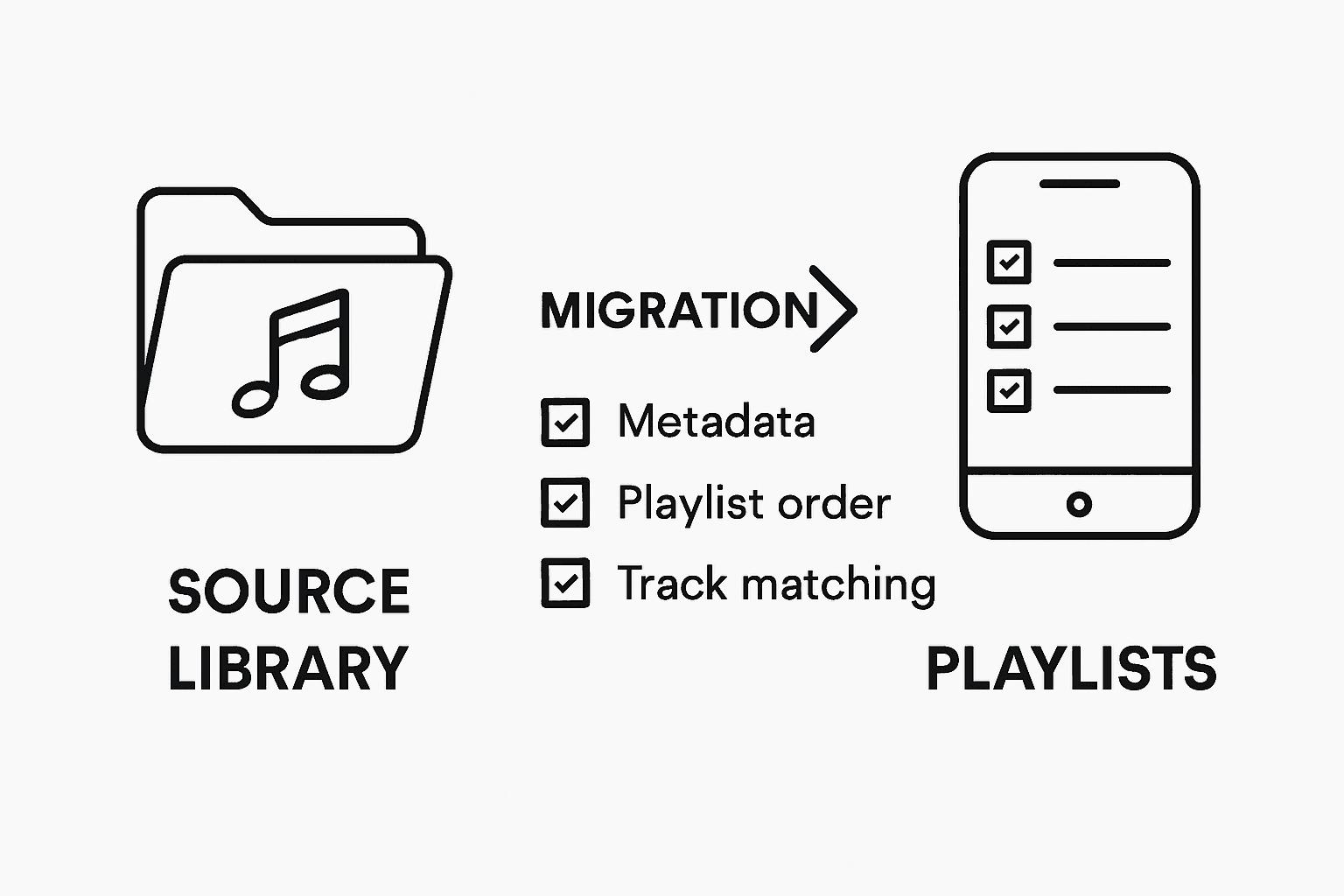
Ein reibungsloser Umzug umfasst also weit mehr als das Verschieben von Dateien. Er erfordert ein präzises Zusammenspiel aus technischer Innovation, intelligenter Metadatenverarbeitung und nutzerorientiertem Design. So wird aus einem möglicherweise frustrierenden Plattformwechsel ein müheloser, fast unbemerkter Vorgang. Wer auf diese wesentlichen Funktionen achtet, kann neue Streamingdienste unbesorgt ausprobieren, ohne um seine musikalischen Erinnerungen fürchten zu müssen.
Häufige Stolperfallen und Sicherheitsrisiken bei der Musikverwaltung
Systeme zur modalitätsübergreifenden Musiksuche stehen vor komplexen Sicherheitsherausforderungen, die die Integrität digitaler Musikbibliotheken gefährden können. Die Schwachstellen gehen über einfache Datenlecks hinaus. Dazu gehören Risiken durch manipulierte Metadaten, unbefugte Zugriffe und mögliche Datenschutzverletzungen, die sorgfältig zusammengestellte Musiksammlungen beeinträchtigen können.
Zu den wichtigsten Sicherheitsrisiken bei der Verwaltung von Musikbibliotheken gehören:
- Beschädigte Metadaten: Unbeabsichtigte Änderungen an Titelinformationen
- Unbefugter Datenzugriff: Das Risiko, dass persönliche Playlist-Informationen offengelegt werden
- Schwachstellen bei der Plattformkompatibilität: Mögliche Sicherheitslücken bei plattformübergreifenden Übertragungen
- Algorithmische Verzerrungen: Risiken durch die Interpretation von Daten durch Modelle für maschinelles Lernen
- Unstimmigkeiten bei der Synchronisierung: Mögliche Datenverluste oder unbeabsichtigte Änderungen
Große vortrainierte Modelle werfen erhebliche Datenschutzfragen auf, mit denen sich Nutzer sorgfältig auseinandersetzen müssen. So leistungsfähig diese Systeme auch sind, können sie unbeabsichtigt persönliche Vorlieben, Hörgewohnheiten und die individuellen Geschichten hinter Musiksammlungen offenlegen. Datenschutzverfahren beim Musikstreaming zu verstehen, ist deshalb entscheidend für alle, die ihre digitale musikalische Identität schützen möchten.
Eine wirksame Musikbibliotheksverwaltung erfordert daher einen vorausschauenden Umgang mit Sicherheit. Nutzer sollten aufmerksam bleiben und sich bewusst machen, dass ihre Musiksammlungen mehr als bloße Playlists sind: Sie sind persönliche Archive, die zuverlässigen Schutz vor digitalen Bedrohungen verdienen. Wer diese Risiken kennt und gezielte Schutzmaßnahmen ergreift, kann die Vorteile moderner Streamingtechnologien genießen und zugleich die Kontrolle über sein digitales Musikerlebnis behalten.
Musikbibliotheken einfacher verwalten und Playlists mühelos übertragen
Metadaten zuordnen, Playlists erhalten und zwischen Plattformen wechseln: Die Verwaltung deiner Musikbibliothek kann schnell überwältigend wirken. Dieser Artikel zeigt, wie wichtig es ist, beim Wechsel zwischen Streamingdiensten die Reihenfolge und Struktur von Playlists zu bewahren. Genau das bereitet oft Schwierigkeiten und führt zu Frust und verlorenen musikalischen Erinnerungen. Wenn du deine sorgfältig zusammengestellten Playlists erhalten und ohne technische Hürden oder Datenverlust umziehen möchtest, ist das Verständnis dieser Grundlagen erst der Anfang.
Bei FreeYourMusic.com machen wir aus diesen Herausforderungen einfache Abläufe. Unsere spezialisierte Plattform bietet automatische Playlist-Synchronisierung, präzisen Titelabgleich und den vollständigen Erhalt deiner Playlist-Zusammenhänge über Dienste wie Spotify, Apple Music und Amazon Music hinweg. Ob du Musik liebst oder beruflich damit arbeitest: Mit unserer benutzerfreundlichen App kannst du beliebig viele Playlists sicher übertragen, ohne sie manuell neu zusammenstellen zu müssen.
Bereit, deine verstreuten Sammlungen zu einem stimmigen Musikerlebnis zusammenzuführen? Starte jetzt mit der Übertragung deiner Playlists.
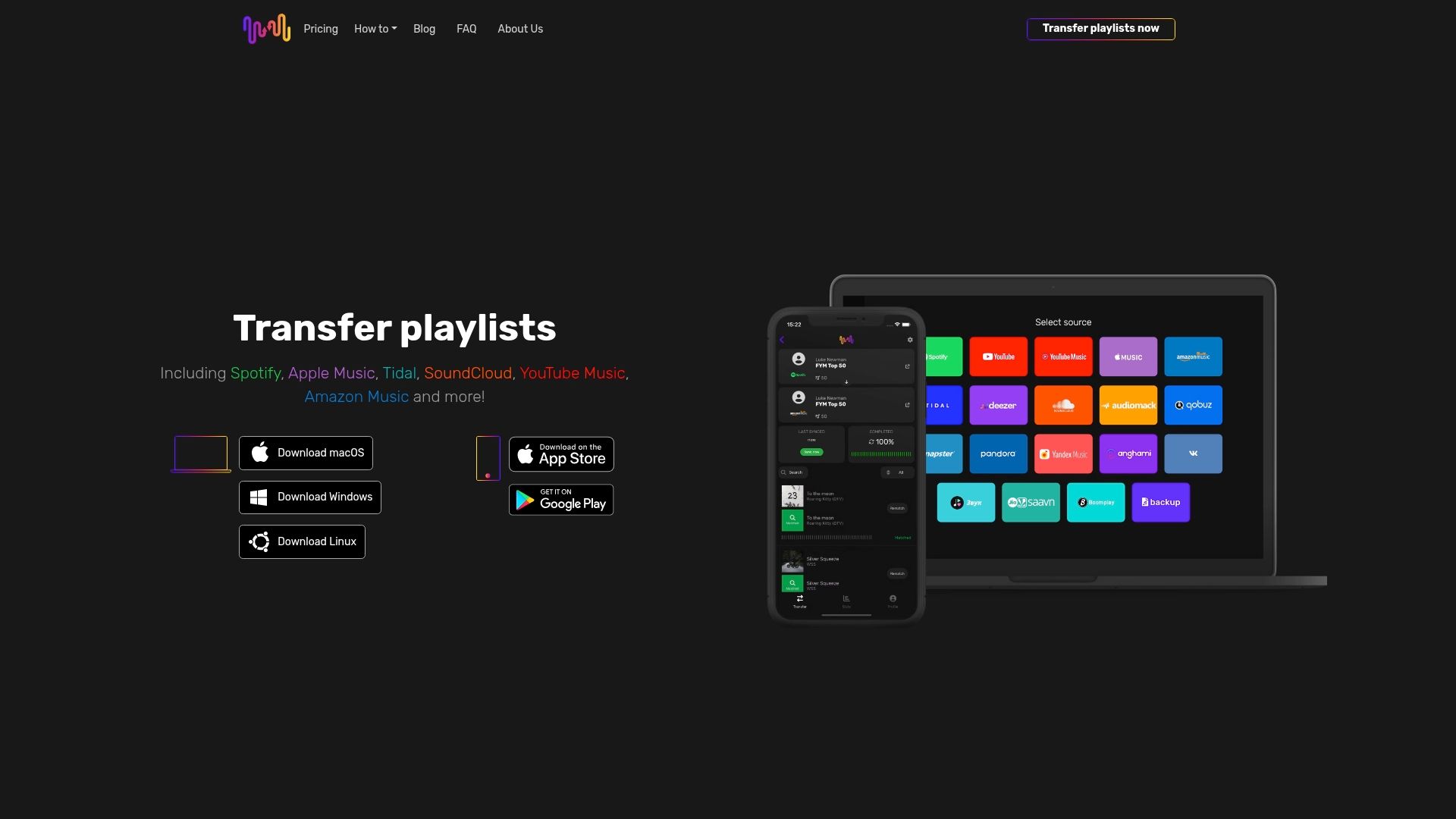
Lass nicht zu, dass komplizierte Übertragungen zum Verlust deiner Lieblingssongs führen oder deinen Musikgenuss unterbrechen. Nimm deine Musiksammlung heute mit FreeYourMusic.com selbst in die Hand und genieße die Freiheit, mühelos zwischen Streamingplattformen zu wechseln – mit vollständig erhaltenen und bestens organisierten Playlists.
Häufig gestellte Fragen
Was versteht man unter Musikbibliotheksverwaltung?
Musikbibliotheksverwaltung bezeichnet die digitale Organisation, Erfassung und Pflege persönlicher Musiksammlungen über mehrere Plattformen hinweg. Dazu gehören die Verwaltung von Metadaten, die Übertragung von Playlists und die Verbesserung des Nutzungserlebnisses.
Wie funktionieren Synchronisierungs- und Übertragungstools für Musikbibliotheken?
Synchronisierungs- und Übertragungstools nutzen fortschrittliche Algorithmen, um Metadaten intelligent abzugleichen, Playlist-Strukturen zu erhalten und die Kompatibilität zwischen verschiedenen Streamingdiensten sicherzustellen. Dadurch ermöglichen sie einen reibungslosen Umzug von Musiksammlungen.
Welche Funktionen sind für einen reibungslosen Umzug der Musikbibliothek wichtig?
Zu den wesentlichen Funktionen gehören eine umfassende Metadatenzuordnung, der Erhalt der Playlist-Struktur, ein intelligenter Titelabgleich, die Unterstützung mehrerer Plattformen und eine verlustfreie Metadatenübertragung. Sie sorgen dafür, dass deine Musiksammlung beim Umzug vollständig und unverändert erhalten bleibt.
Welche Sicherheitsrisiken sollte ich bei der Verwaltung meiner Musikbibliothek kennen?
Zu den wichtigsten Sicherheitsrisiken zählen beschädigte Metadaten, unbefugte Datenzugriffe, Schwachstellen bei der Plattformkompatibilität, algorithmische Verzerrungen und Unstimmigkeiten bei der Synchronisierung. Sie alle können die Sicherheit und Integrität deiner digitalen Musikbibliothek gefährden.
Empfohlene Artikel
Deine Playlists gehören dir.
Hör auf, von Hand neu aufzubauen. Verschiebe alles in Minuten und nimm deine Musik überallhin mit.
Kostenlos herunterladen →SongsBrew — unser kostenloser Musik-Newsletter
Ein kostenloser Vorteil für FYM-Nutzer. Tipps, Playlists, kein Spam.