Compatibiliteit bij muziekstreaming uitgelegd: de complete gids

Meer dan 80 procent van de Amerikaanse muziekliefhebbers gebruikt inmiddels meerdere streamingplatforms om naar hun favoriete nummers te luisteren. Deze snelle verandering brengt nieuwe uitdagingen met zich mee: hoe houd je playlists, aanbevelingen en muziekcollecties intact wanneer je verschillende diensten gebruikt? Als streamingdiensten niet goed op elkaar aansluiten, kunnen gebruikers jarenlang zorgvuldig verzamelde nummers en persoonlijke playlists kwijtraken. Door te begrijpen hoe compatibiliteit werkt, bescherm je je muzikale identiteit en luister je gemakkelijker op een manier die past bij je digitale gewoonten.
Inhoudsopgave
- De basis van compatibiliteit bij muziekstreaming
- Ondersteunde platforms en verschillen tussen diensten
- Hoe het overzetten en synchroniseren van playlists werkt
- Belangrijke functies bij het gebruik van meerdere diensten
- Veelvoorkomende compatibiliteitsproblemen en oplossingen
Belangrijkste inzichten
| Onderwerp | Toelichting |
|---|---|
| Compatibiliteit bij muziekstreaming | Zorgt ervoor dat playlists en gebruikersvoorkeuren soepel tussen platforms worden overgezet, met behoud van gegevens en luisterervaring. |
| Verschillen tussen ondersteunde platforms | Streamingdiensten verschillen in audiokwaliteit, muziekaanbod en abonnementsvormen, wat invloed heeft op de keuze van gebruikers. |
| Hoe playlists worden overgezet | Om soepel over te stappen, zijn complexe processen nodig die metadata koppelen en zelfgemaakte playlists behouden. |
| Veelvoorkomende compatibiliteitsproblemen | Inconsistente metadata, verschillende audioformaten en regionale beperkingen kunnen de gebruikerservaring verstoren. |
De basis van compatibiliteit bij muziekstreaming
Compatibiliteit bij muziekstreaming is het vermogen van digitale muziekplatforms om muziekcollecties soepel tussen verschillende streamingdiensten over te zetten, te synchroniseren en te behouden. In de kern zorgt compatibiliteit ervoor dat je zorgvuldig samengestelde playlists, favoriete nummers en luistervoorkeuren meegaan naar een ander platform, zonder verlies van gegevens of muzikale context.
Volgens onderzoek op arXiv is inzicht in compatibiliteit essentieel nu gebruikersvoorkeuren en luistergewoonten veranderen. De studie laat zien dat streamingplatforms geavanceerde mechanismen nodig hebben om muzikale voorkeuren binnen uiteenlopende technologische omgevingen te herkennen en te vertalen. Compatibiliteit bij muziekstreaming gaat verder dan alleen nummers overzetten: het omvat complexe processen om metadata te koppelen, de structuur van playlists te bewaren en de persoonlijke luisterervaring te behouden.
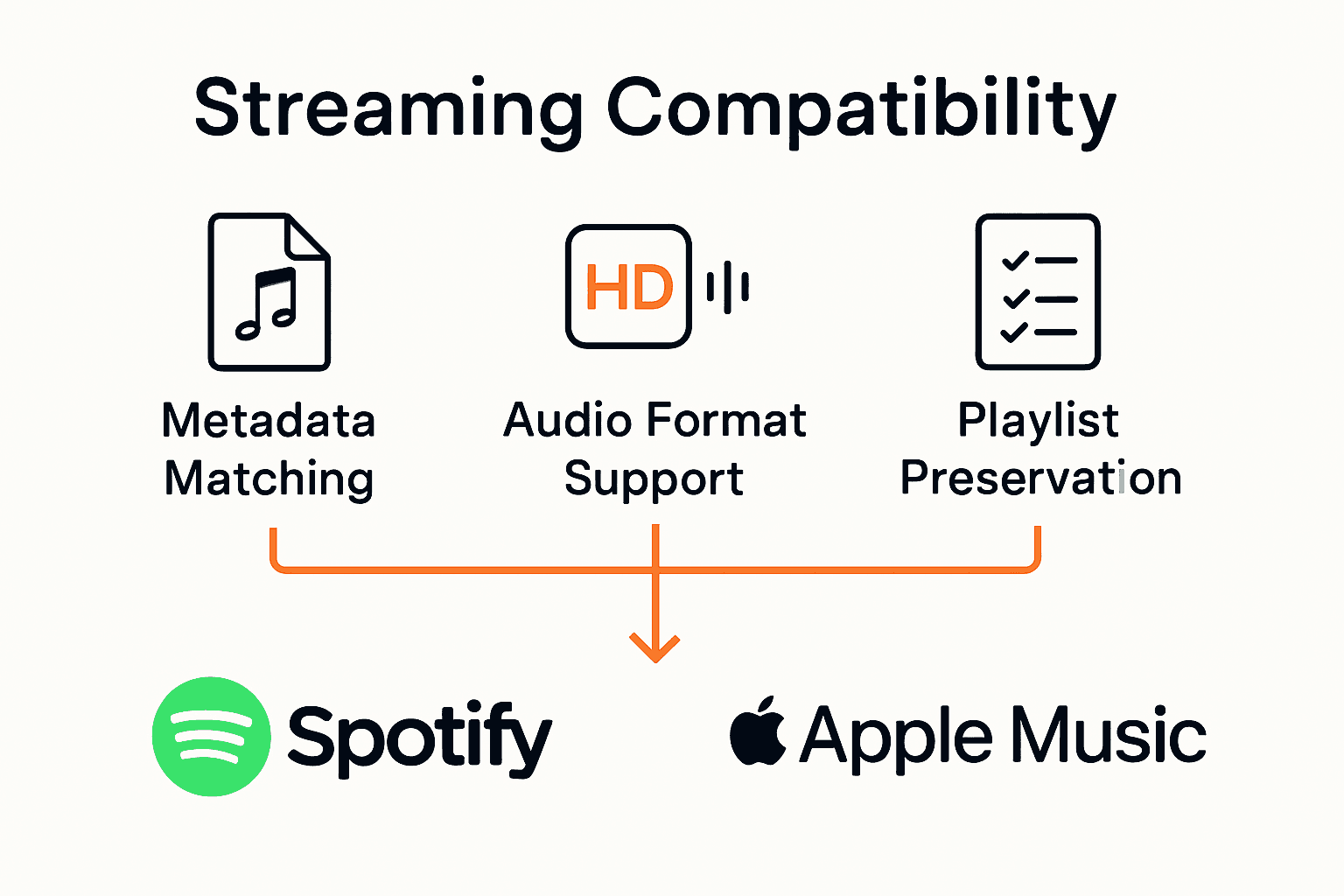
Belangrijke aspecten van compatibiliteit bij muziekstreaming zijn:
- Metadata van nummers en albums nauwkeurig omzetten
- De volgorde en structuur van playlists behouden
- Zelf toegevoegde metadata, zoals aangepaste playlists, behouden
- Omgaan met verschillende standaarden voor codering en audiokwaliteit
- Synchronisatie van playlists tussen platforms ondersteunen
Onderzoek op arXiv naar de manier waarop gebruikers met platforms omgaan, benadrukt dat echte compatibiliteit meer inhoudt dan bestanden overzetten. Daarvoor is inzicht nodig in het complexe gebruikersgedrag, de luisterpatronen en de technologische beperkingen die tussen streamingplatforms bestaan. Goede compatibiliteit verandert een mogelijk frustrerend, handmatig overdrachtsproces in een soepele, gebruiksvriendelijke ervaring.
Uiteindelijk geeft compatibiliteit bij muziekstreaming gebruikers de vrijheid om verschillende platforms te ontdekken zonder hun muzikale identiteit te verliezen. Door soepele overstappen en gegevensbehoud centraal te stellen, kunnen streamingdiensten een flexibelere luisteromgeving creëren die beter aansluit op de gebruiker. Bekijk onze uitgebreide gids over de functies van muziekstreamingplatforms en ontdek hoe deze systemen achter de schermen werken.
Ondersteunde platforms en verschillen tussen diensten
Muziekstreaming is uitgegroeid tot een divers aanbod van platforms met elk hun eigen functies, audioformaten en regionale beschikbaarheid. De manieren waarop we digitaal naar muziek luisteren, zijn enorm uitgebreid. Daardoor hebben gebruikers meer keuze dan ooit om muziek te vinden en te beluisteren in verschillende technologische omgevingen.
Sommige platforms onderscheiden zich met gespecialiseerde mogelijkheden. Wikipedia noemt Qobuz als voorbeeld: een digitale muziekstreamingdienst die in 26 landen beschikbaar is en meerdere audioformaten ondersteunt, waaronder MP3, lossless audio in cd-kwaliteit en lossless audio in hoge resolutie. Dit laat zien hoe complex en gevarieerd moderne muziekstreamingplatforms zijn.
Belangrijke verschillen tussen muziekstreamingplatforms zijn:
- Verschillende opties voor audiokwaliteit (standaard, hoge resolutie, lossless)
- Regionale beschikbaarheid van content
- Eigen systemen voor metadata en playlistbeheer
- Specialisatie in bepaalde genres of muziekstijlen
- Verschillende abonnementsvormen en prijsmodellen
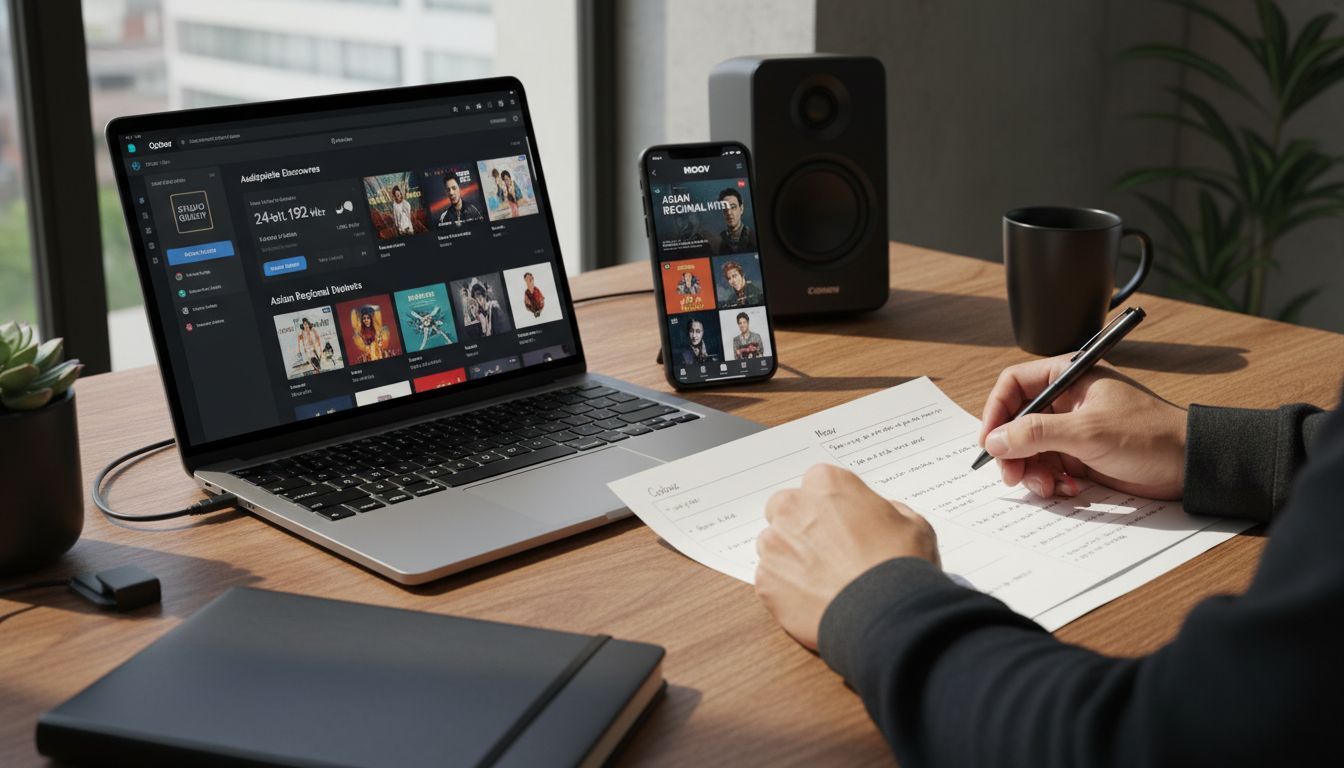
Wikipedia geeft nog een interessant voorbeeld met Moov, een streamingdienst die zich richt op specifieke Aziatische markten, zoals Hongkong en het Chinese vasteland. De dienst biedt lossless audio en muziekvideo's in hoge resolutie, inclusief exclusieve content. Deze regionale verschillen laten zien hoe muziekstreamingplatforms zich aanpassen aan de lokale vraag en technologische infrastructuur. Lees meer over belangrijke functies voor muziekstreaming in onze uitgebreide gids.
Inzicht in deze platformverschillen is essentieel voor muziekliefhebbers die de streamingervaring zoeken die het best bij hen past. Elke dienst heeft eigen sterke punten, zoals audiokwaliteit, muziekaanbod, gebruiksgemak of gespecialiseerde functies. Zo kunnen luisteraars een platform vinden dat aansluit op hun muzieksmaak en technische wensen.
Hoe het overzetten en synchroniseren van playlists werkt
Het overzetten en synchroniseren van playlists bestaat uit complexe technologische processen waarmee gebruikers hun muziekcollecties soepel tussen streamingplatforms kunnen verplaatsen. Deze geavanceerde mechanismen combineren verschillende stappen: metadata koppelen, nummers identificeren en de structuur van zelfgemaakte playlists behouden.
Wikipedia biedt inzicht in moderne technologieën voor muziekoverdracht en laat zien hoe geavanceerde platforms zoals Trebel functies bieden voor cloudopslag en nummerherkenning die playlistbeheer en synchronisatie ondersteunen. De grootste uitdaging is om muziekmetadata nauwkeurig om te zetten tussen de verschillende systemen van streamingdiensten.
Het overzetten en synchroniseren van playlists omvat doorgaans de volgende stappen:
- Metadata van nummers op verschillende platforms analyseren
- Nummers koppelen aan de hand van unieke identificatiecodes
- De volgorde en structuur van playlists behouden
- Omgaan met mogelijke verschillen in audioformaten
- Rekening houden met mogelijke verschillen in het muziekaanbod
Wikipedia illustreert de complexiteit van synchronisatie tussen platforms met voorbeelden zoals MusikCube, een audioplatform dat via de terminal werkt en meerdere audiocodecs en streamingfuncties ondersteunt. Dit laat zien hoe geavanceerde technologische oplossingen de verschillen tussen muziekstreamingomgevingen kunnen overbruggen. Lees meer over het soepel overzetten van playlists in onze uitgebreide gids.
Om playlists succesvol over te zetten, zijn slimme algoritmen nodig die overweg kunnen met de complexe wereld van digitale muziekplatforms. Door de technische nuances van metadatakoppeling en compatibiliteit tussen platforms te begrijpen, kunnen gebruikers hun muziekcollecties moeiteloos behouden, ongeacht welke streamingdienst ze kiezen.
Belangrijke functies bij het gebruik van meerdere diensten
Compatibiliteit tussen muziekstreamingdiensten hangt af van verschillende complexe functies die bepalen hoe soepel gebruikers tussen platforms kunnen overstappen. Deze functies gaan veel verder dan alleen nummers overzetten. Ze omvatten technische aspecten en keuzes in de gebruikerservaring die rechtstreeks bepalen of luisteraars hun vertrouwde muziekomgeving kunnen behouden.
arXiv benadrukt de cruciale rol van aanbevelingssystemen op muziekstreamingplatforms en laat zien hoe algoritmische en redactionele aanbevelingen de compatibiliteit tussen diensten sterk beïnvloeden. Deze mechanismen spelen een belangrijke rol bij het begrijpen van gebruikersvoorkeuren en kunnen ervoor zorgen dat playlists slimmer en met meer oog voor detail tussen streamingomgevingen worden overgezet.
Belangrijke functies en aspecten bij het gebruik van meerdere diensten zijn:
- Standaardisatie van metadata en nauwkeurigheid bij het koppelen van nummers
- Complexiteit van aanbevelingsalgoritmen
- Compatibiliteit van audiokwaliteit en coderingsformaten
- Behoud van de structuur van playlists
- Unieke muziekcontent die alleen op één platform beschikbaar is
- Bijhouden van luistergeschiedenis en gebruikersvoorkeuren
- Verschillen in redactionele playlists en muziekselectie
arXiv gaat verder in op de nuances van muziekstreaming en benadrukt dat factoren zoals transparantie en een voorkeur voor populaire muziek in algoritmen extra uitdagingen kunnen opleveren voor de compatibiliteit tussen diensten. Deze inzichten laten zien dat goede samenwerking tussen platforms meer vereist dan technische oplossingen: ook een grondig begrip van gebruikersverwachtingen en een gevarieerd muziekaanbod is nodig. Ontdek meer over de beste werkwijzen voor het overzetten van playlists in onze uitgebreide gids.
Uiteindelijk vraagt compatibiliteit tussen diensten om een zorgvuldige balans tussen technologische innovatie, gebruiksgemak en de eigen muziekomgeving van elk platform. Nu streamingdiensten zich blijven ontwikkelen, wordt soepel kunnen wisselen tussen platforms steeds belangrijker voor muziekliefhebbers die flexibiliteit en volledige toegang tot hun favoriete nummers willen.
Veelvoorkomende compatibiliteitsproblemen en oplossingen
Compatibiliteitsproblemen bij muziekstreaming ontstaan door de complexe technologische verschillen tussen digitale muziekplatforms. Ze lopen uiteen van technische beperkingen rond metadata tot verschillen in de gebruikerservaring, die het soepel overzetten van muziekcollecties en het beheren van playlists kunnen bemoeilijken.
DevOps School biedt inzicht in de complexe wereld van compatibiliteit bij audiostreaming en belicht de uiteenlopende problemen die gebruikers tegenkomen wanneer ze naar een ander muziekplatform overstappen. Die complexiteit komt voort uit verschillen in platformspecifieke technologieën, metadatastandaarden en het ontwerp van gebruikersinterfaces.
Veelvoorkomende compatibiliteitsproblemen zijn:
- Inconsistente metadata van nummers op verschillende platforms
- Verschillen in audiocodering en kwaliteitsformaten
- Verschillen in de structuur en indeling van playlists
- Regionale beperkingen op de beschikbaarheid van content
- Platformspecifieke licenties voor nummers
- Onnauwkeurigheden bij het koppelen van metadata
- Onvolledig of slechts gedeeltelijk overgezette playlists
Muvi benadrukt het belang van uitgebreide oplossingen voor deze uitdagingen, zoals ondersteuning voor meerdere audioformaten en veilige mechanismen voor het leveren van content. Deze benaderingen helpen de verschillen tussen streamingomgevingen te overbruggen. Bekijk onze gids over de beste werkwijzen voor het overzetten van playlists en ontdek hoe je met deze complexiteit omgaat.
Effectieve oplossingen voor compatibiliteitsproblemen vereisen geavanceerde algoritmen die nummers slim kunnen koppelen, playlists intact houden en omgaan met subtiele verschillen tussen streamingplatforms. Nu de digitale muziekwereld zich blijft ontwikkelen, hebben gebruikers betrouwbare tools nodig die hun muziekcollecties soepel tussen uiteenlopende technologische omgevingen kunnen overzetten.
Maak compatibiliteit bij muziekstreaming vandaag nog eenvoudiger
Dit artikel laat zien hoe complex compatibiliteit bij muziekstreaming kan zijn, van het nauwkeurig koppelen van metadata tot het behouden van de structuur van playlists en synchronisatie tussen diensten. Ben je ooit gefrustreerd geraakt doordat je bij een overstap je playlists kwijtraakte of uren bezig was om ze opnieuw samen te stellen? Je bent niet de enige. Veel muziekliefhebbers willen hun muzikale identiteit behouden op Spotify, Apple Music, Tidal en andere platforms, zonder technisch gedoe.
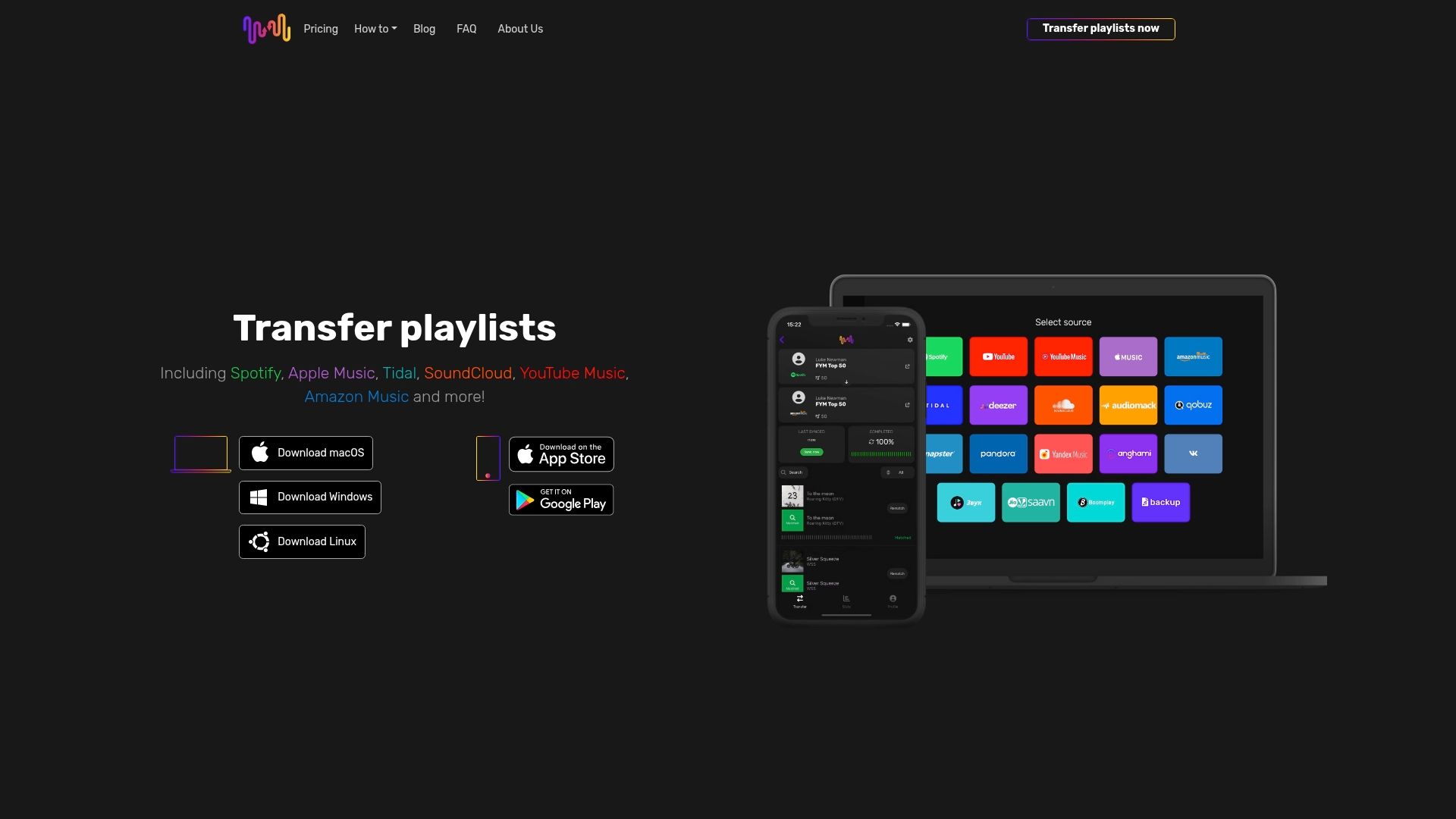
FreeYourMusic.com biedt een krachtige oplossing die speciaal is ontworpen om deze problemen aan te pakken. Met functies zoals het automatisch overzetten van playlists, onbeperkte synchronisatiemogelijkheden en nauwkeurige nummerherkenning verplaats je moeiteloos je hele muziekbibliotheek. Je hoeft je geen zorgen meer te maken over audiokwaliteit, de volgorde van je playlists of verschillen tussen platforms.
Ontdek hoe je weer grip krijgt op je playlists en geniet meteen van een soepele muziekstreamingervaring.
Stap probleemloos over met onze gebruiksvriendelijke app https://freeyourmusic.com.
Zet de eerste stap naar het zorgeloos overzetten van je muziek. Ga naar FreeYourMusic.com, begin vandaag nog met het overzetten van je playlists en raak je muziekcollectie nooit meer kwijt. Wil je meer weten over de beste werkwijzen? Bekijk dan onze gids over het soepel overzetten van playlists. Geniet van echte muzikale vrijheid, zonder grenzen.
Veelgestelde vragen
Wat is compatibiliteit bij muziekstreaming?
Compatibiliteit bij muziekstreaming is het vermogen van verschillende digitale muziekplatforms om muziekcollecties soepel tussen diensten over te zetten, te synchroniseren en te behouden, met behoud van gegevens en gebruikerservaring.
Hoe werken het overzetten en synchroniseren van playlists?
Het overzetten en synchroniseren van playlists omvat complexe processen, zoals het koppelen van metadata van nummers, het behouden van de structuur van playlists en het omgaan met verschillen in audioformaten. Zo kunnen gebruikers hun collecties soepel tussen streamingplatforms verplaatsen.
Welke compatibiliteitsproblemen komen vaak voor bij het gebruik van meerdere muziekstreamingdiensten?
Veelvoorkomende compatibiliteitsproblemen zijn inconsistente metadata van nummers, verschillen in audiocodering en de indeling van playlists, en regionale beperkingen op het muziekaanbod. Die kunnen het overzetten van muziekcollecties bemoeilijken.
Hoe kan ik mijn ervaring met compatibiliteit bij muziekstreaming verbeteren?
Kies platforms met uitgebreide functies voor playlistbeheer, controleer of audioformaten compatibel zijn en gebruik tools die metadata nauwkeurig koppelen en playlists soepel overzetten. Zo kun je gemakkelijker tussen verschillende muziekdiensten wisselen.
Aanbevolen
- Free Your Music - 7 essentiële functies voor muziekstreaming die je nodig hebt
- Free Your Music - 7 belangrijke functies van muziekstreamingdiensten die je moet kennen
- Free Your Music - 7 onmisbare tips voor gebruikers van muziekstreaming
- Free Your Music - Waarom muziek streamen? De uitgebreide uitleg
Jouw afspeellijsten zijn van jou.
Stop met handmatig opnieuw opbouwen. Verplaats alles in minuten en neem je muziek overal mee naartoe.
Gratis downloaden →SongsBrew — onze gratis muzieknieuwsbrief
Een gratis extraatje voor FYM-gebruikers. Tips, afspeellijsten, geen spam.