Music Streaming Ecosystems Explained: Complete Guide
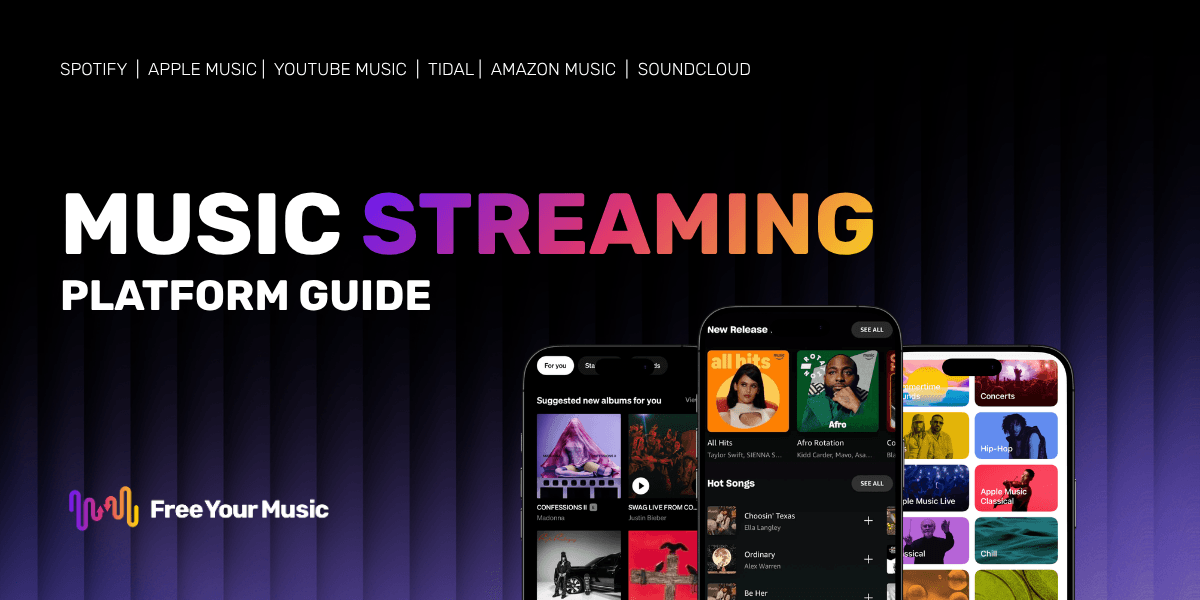
Over 696 million people turn to music streaming platforms every month, reshaping how songs are discovered, shared, and enjoyed. The rapid growth of these digital networks gives fans instant access to vast music libraries but also brings new challenges for both artists and listeners. As platforms compete and become more connected, understanding what defines a music streaming ecosystem helps make sense of the benefits, limitations, and choices each user faces today.
Table of Contents
- What Defines A Music Streaming Ecosystem
- Major Streaming Platforms And Their Differences
- How Music Streaming Services Interoperate
- Playlist Migration And Cross-Platform Management
- Risks, Limitations, And User Considerations
Key Takeaways
| Point | Details |
|---|---|
| Music Streaming Ecosystem | A music streaming ecosystem integrates creation, distribution, and monetization processes, relying on interconnected platforms and technologies to enhance user experience. |
| Major Platforms | Leading platforms like Spotify and Apple Music offer distinct features and audio quality, influencing user preferences and consumption habits. |
| Interoperability | The ability of different platforms to connect and share data through APIs and transfer tools enhances user flexibility in managing playlists across services. |
| Challenges and Considerations | Users face risks such as duplicate tracks and privacy concerns, while significant disparities in artist compensation highlight economic challenges within the streaming landscape. |
What Defines a Music Streaming Ecosystem
A music streaming ecosystem represents a complex network of digital platforms, technologies, and interactions that enable users to discover, listen, share, and engage with musical content. According to research from arxiv.org, this ecosystem encompasses the entire lifecycle of music, integrating creation, distribution, and monetization processes.
The core components of a music streaming ecosystem typically include multiple interconnected elements: streaming platforms, artist repositories, recommendation algorithms, user interfaces, payment systems, and rights management infrastructure. arxiv.org highlights that these platforms are central to music consumption, significantly influencing user experiences through sophisticated embedded recommender systems.
Key characteristics that define a robust music streaming ecosystem include:
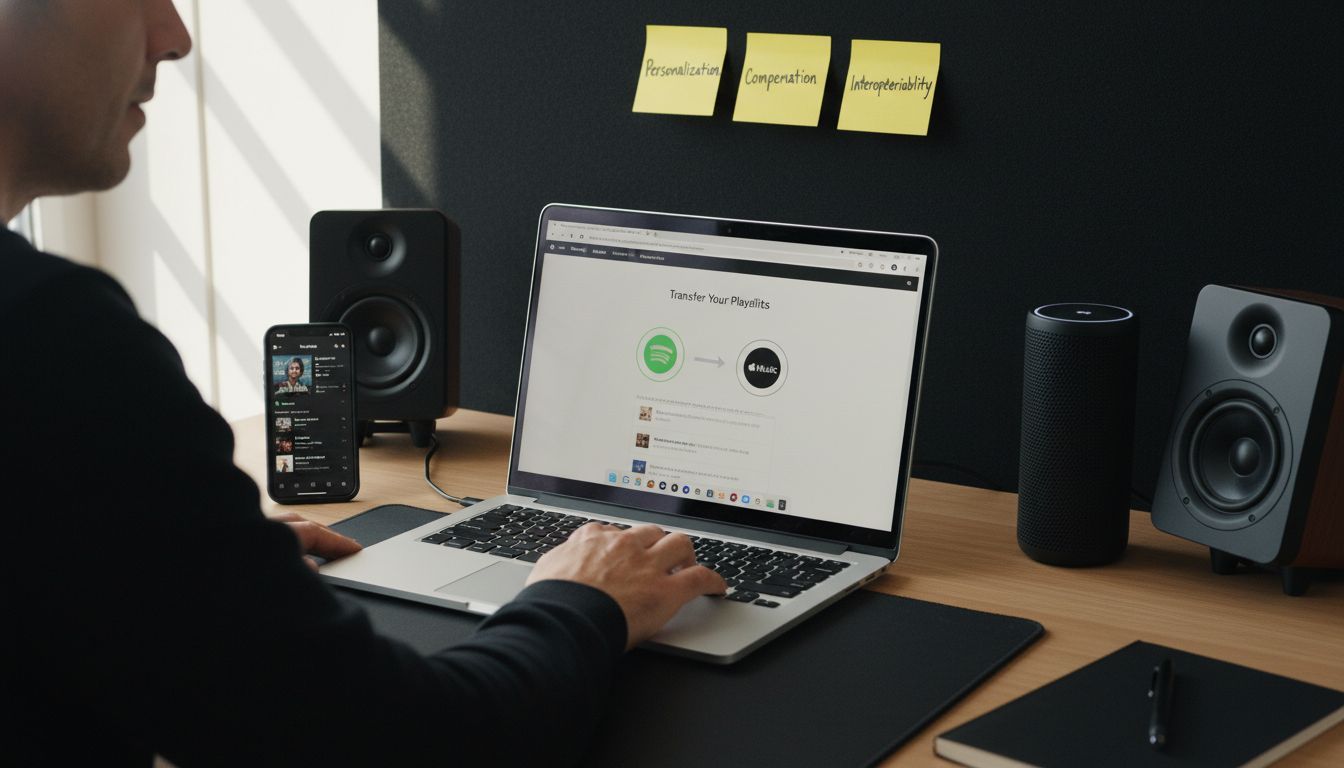
- Seamless content discovery mechanisms
- Advanced personalization technologies
- Transparent artist compensation models
- Cross-platform compatibility
- High-quality audio streaming capabilities
- Intelligent playlist generation
Understanding these ecosystems requires recognizing their dynamic nature. With emerging technologies like generative AI, the music streaming landscape continues evolving, presenting ongoing challenges in areas such as artist attribution, rights management, and economic sustainability. Transfer playlists from YouTube to Audius represents just one example of the interconnected nature of modern music streaming platforms.
Major Streaming Platforms and Their Differences
Music streaming platforms have transformed how we consume music, offering diverse ecosystems with unique features and capabilities. Free Your Music identifies several major platforms including Spotify, Apple Music, Tidal, Amazon Music, YouTube Music, Deezer, Pandora, and SoundCloud Go+, each catering to different user preferences and musical experiences.
According to SoundHub, Spotify currently dominates the market with an impressive 696 million monthly active users and 276 million Premium subscribers as of Q2 2025. This leadership stems from their advanced personalized recommendation algorithms and extensive music and podcast library.
Key differences among major streaming platforms include:
Here's a comparison of the major music streaming platforms and their key features:
| Platform | Catalog Size | Audio Quality | Unique Features |
|---|---|---|---|
| Spotify | 100M+ tracks | Up to 320 kbps | Podcasts Personalized playlists |
| Apple Music | 100M+ tracks | Lossless, Spatial | Shazam integration Lyrics display |
| Tidal | 100M+ tracks | HiFi, Master (MQA) | Artist payouts 360 Reality Audio |
| Amazon Music | 100M+ tracks | HD, Ultra HD | Alexa support Prime integration |
| YouTube Music | 100M+ tracks | Up to 256 kbps | Videos User uploads |
| Deezer | 90M+ tracks | HiFi (FLAC) | Flow feature Lyrics display |
| Pandora | 30M+ tracks | Up to 192 kbps | Radio stations Music Genome Project |
| SoundCloud Go+ | 150M+ tracks | Up to 256 kbps | Indie artists Remixes |
- Catalog Size: Varies significantly between platforms
- Audio Quality: Ranges from standard to high-resolution streaming
- Pricing Structures: Diverse subscription and free-tier options
- Unique Features: Platform-specific playlist generation, social sharing capabilities
Users seeking flexibility in their music listening experience might find value in cross-platform tools. Transfer playlists from YouTube Music to SoundCloud demonstrates how modern listeners can navigate between different streaming ecosystems seamlessly, ensuring their music collections remain accessible and adaptable.
How Music Streaming Services Interoperate
Music streaming interoperability represents the complex ways different platforms connect, share, and enable seamless music experiences across diverse technological ecosystems. MusicRadar highlights a significant development in this space, noting that Spotify has reintegrated with DJ software platforms like AlphaTheta Rekordbox, Serato DJ, and Algoriddim Djay, allowing Premium users to stream and mix tracks directly within these applications.
Time demonstrates another approach to interoperability through YouTube Music Key's integration with Google Play Music, offering users comprehensive features like ad-free listening, offline access, and a diverse music catalog that includes official tracks, covers, and remixes.
Key mechanisms of streaming service interoperability include:
- API connections between platforms
- Third-party music transfer tools
- Cross-platform playlist synchronization
- Authentication and account linking
- Metadata standardization
- Rights management protocols
For music enthusiasts seeking flexibility, tools like Transfer playlists from YouTube Music to Audius exemplify how modern technology bridges gaps between different streaming ecosystems, ensuring users can maintain their musical collections across multiple platforms without losing their carefully curated playlists.
Playlist Migration and Cross-Platform Management
Playlist migration has become a critical capability for music enthusiasts seeking flexibility in their digital listening experiences. Free Your Music highlights the growing trend of services that facilitate seamless playlist transfers between platforms like Apple Music and Spotify, empowering users to manage their music libraries across different streaming services without losing their carefully curated collections.
SoundHub notes that modern music streaming platforms are increasingly offering features that allow users to import playlists from other services, creating a more interconnected and user-friendly listening ecosystem. This trend reflects the growing demand for music management solutions that transcend individual platform limitations.
Key strategies for effective playlist migration include:
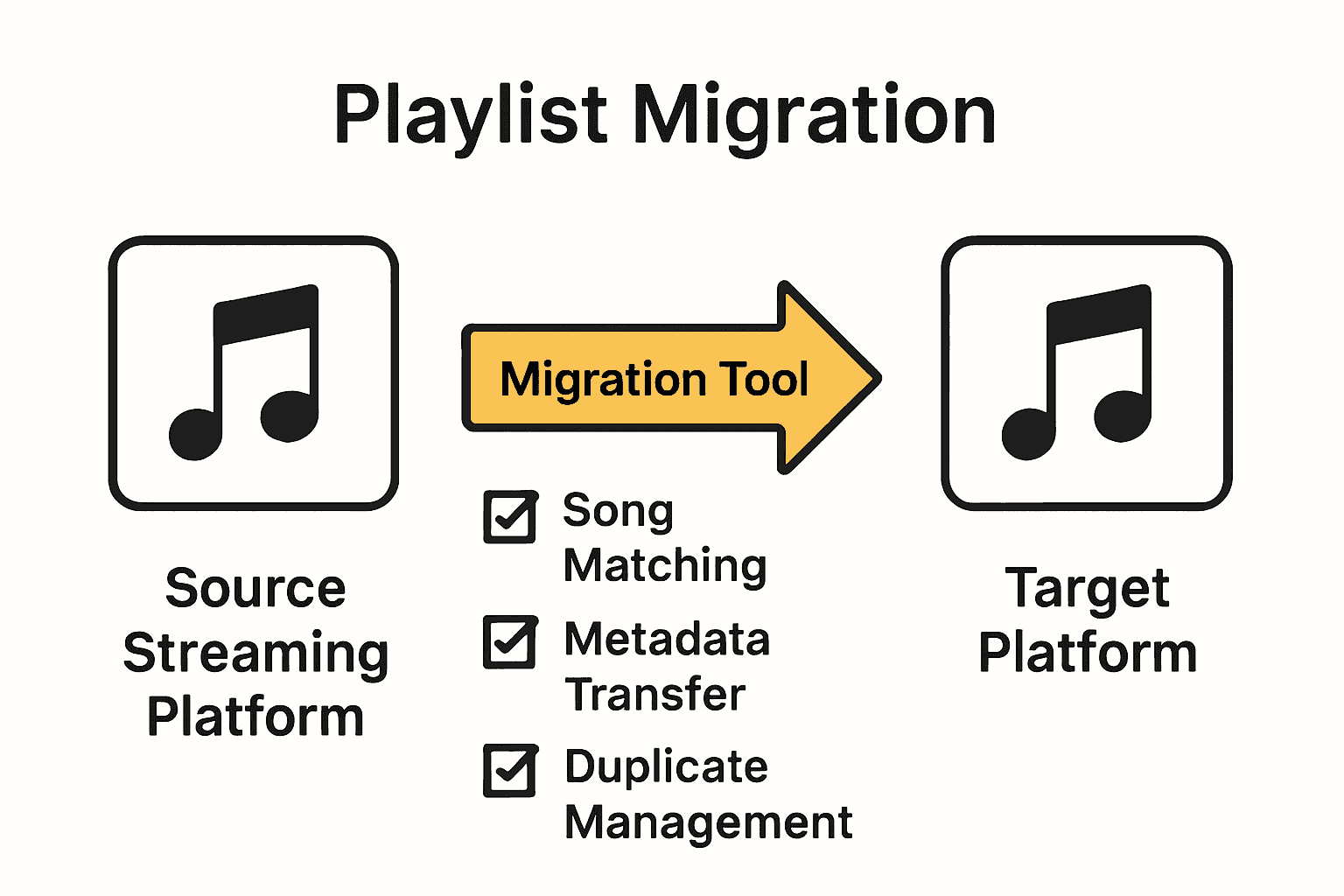
- Utilizing specialized transfer tools
- Checking song availability across platforms
- Preserving playlist order and metadata
- Managing duplicate or unavailable tracks
- Backing up playlist configurations
- Understanding platform-specific limitations
For music lovers navigating the complex landscape of streaming services, Free Your Music: Ultra Simple Transfer of Playlists represents a powerful solution to the challenges of maintaining and migrating music collections across different platforms, ensuring that your musical journey remains uninterrupted and personalized.
Risks, Limitations, and User Considerations
Music streaming ecosystems present complex challenges that extend beyond simple user experience. arXiv reveals significant concerns from artists about platform fairness, highlighting issues of fragmented presentation, transparency, and the profound influence of recommender systems on user behavior and artist reach.
Le Monde exposes a critical economic disparity within streaming platforms, noting that the current 'market-centric' revenue model dramatically skews compensation. Remarkably, just 1% of the most listened tracks capture 80% of total revenues, creating substantial challenges for emerging and independent artists.
Key risks and limitations for users include:
- Potential loss of playlist metadata during transfers
- Inconsistent track availability across platforms
- Privacy and data management concerns
- Algorithmic bias in music recommendations
- Unequal artist compensation models
- Platform-specific technical restrictions
Users navigating these complex ecosystems should remain informed and critical, understanding that Transfer playlists from Audiomack to Boomplay represents just one aspect of a nuanced and evolving digital music landscape.
Simplify Your Music Streaming Experience with Effortless Playlist Transfers
Navigating the ever-changing landscape of music streaming ecosystems can be overwhelming. The article highlights challenges like fragmented playlists, platform incompatibilities, and the frustration of losing curated music collections during service changes. If you want to maintain seamless access to your favorite tunes while avoiding the hassle of manual rebuilding, it is essential to have a reliable solution that preserves playlist order, metadata, and supports multiple platforms.
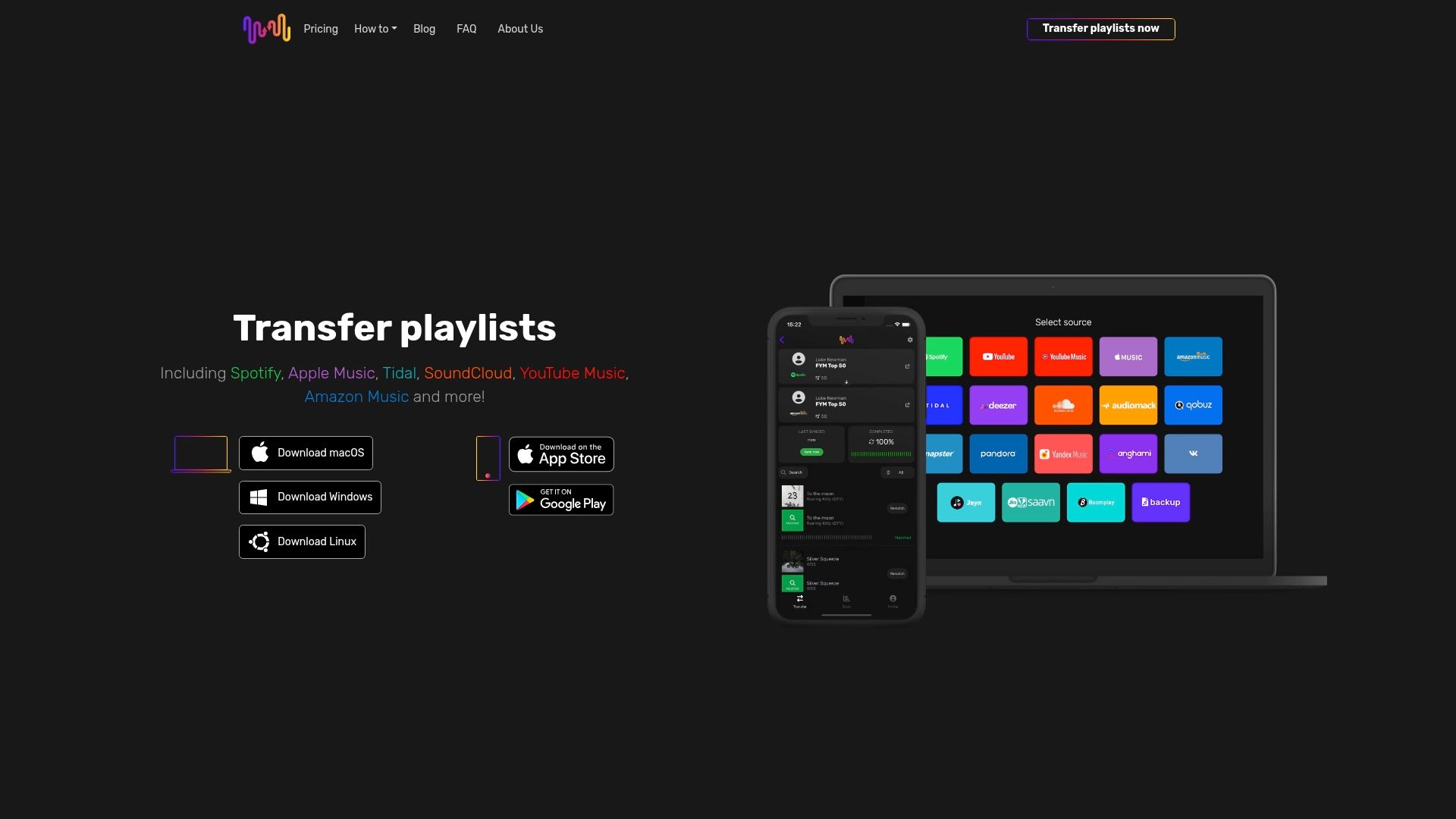
Take control of your music journey today with FreeYourMusic.com, the trusted platform designed specifically to meet the exact needs of music enthusiasts who value flexibility and convenience. Whether transferring between Spotify, Apple Music, YouTube Music, or more, enjoy automated, accurate playlist migration without losing what matters most. Don’t let complex streaming ecosystems dictate your music enjoyment. Experience effortless playlist synchronization now by visiting Free Your Music.
Learn more about how you can Transfer playlists from YouTube Music to Audius or explore other services to keep your music collection intact and ready wherever you listen.
Frequently Asked Questions
What is a music streaming ecosystem?
A music streaming ecosystem refers to the interconnected digital platforms, technologies, and interactions that allow users to discover, listen to, share, and engage with music. It includes components such as streaming platforms, artist repositories, and recommendation algorithms.
How do major music streaming platforms differ from each other?
Major music streaming platforms vary in catalog size, audio quality, pricing structures, and unique features. For example, Spotify excels in personalized playlists, while Tidal offers high-resolution audio options.
What are the key features of a robust music streaming ecosystem?
Key features include seamless content discovery mechanisms, advanced personalization technologies, transparent artist compensation models, cross-platform compatibility, and high-quality audio streaming capabilities.
What challenges do users face with music streaming services?
Users may encounter challenges such as potential loss of playlist metadata during transfers, inconsistent track availability across platforms, algorithmic bias in music recommendations, and privacy concerns.
Recommended
- Transfer playlists from YouTube Music to SoundCloud
- Transfer playlists from YouTube Music to Audius
- Transfer playlists from YouTube to Audius
- Transfer playlists from Audiomack to SoundCloud
- DistroKid Review 2025: Extensive Look at Music Distribution
- Role of Live Streaming: Complete Guide for Creators - FanSpicy
Your playlists belong to you.
Stop rebuilding by hand. Move everything in minutes and take your music wherever you go.
Download free →SongsBrew — our free music newsletter
A free perk for FYM users. Tips, playlists, no spam.