Cómo proteger tus listas de reproducción: acceso y seguridad

La mayoría de los músicos y DJ estadounidenses saben que una sola lista de reproducción puede definir su estilo y fidelizar a su público en todo el mundo. Proteger las listas que han creado con esmero va mucho más allá de bloquear el acceso no autorizado. En una época en la que las plataformas de streaming evolucionan constantemente, proteger y transferir listas sin complicaciones significa preservar la historia emocional y los metadatos que hay detrás de cada canción. Esta guía presenta soluciones prácticas para trasladar y conservar tus colecciones musicales sin alterar el orden original, el contexto ni la intención artística.
Índice
- Qué significa realmente proteger las listas de reproducción
- Tipos de estrategias para proteger las listas de reproducción
- Copias de seguridad automáticas y sincronización en la nube
- Opciones de transferencia y conservación entre plataformas
- Riesgos de perder tus listas de reproducción y cómo evitarlos
Puntos clave
| Punto | Detalles |
|---|---|
| La seguridad de las listas abarca varios aspectos | Implica proteger los metadatos, controlar el acceso y garantizar una transferencia segura entre plataformas. |
| Las copias de seguridad automáticas son esenciales | La sincronización en la nube permite actualizar los datos en tiempo real y conservar los metadatos. |
| Las herramientas multiplataforma facilitan las transferencias | Los algoritmos inteligentes permiten mantener la integridad y la estructura de las listas entre distintos servicios sin complicaciones. |
| La gestión preventiva reduce los riesgos | Las copias de seguridad periódicas y los controles de acceso sólidos son fundamentales para evitar borrados accidentales y cambios no autorizados. |
Qué significa realmente proteger las listas de reproducción
Proteger las listas de reproducción es mucho más complejo que impedir el acceso no autorizado. Supone adoptar un enfoque integral para conservar la riqueza emocional y el contexto de las colecciones musicales personales. Entender las listas como creaciones digitales personalizadas permite apreciar los retos que afrontan músicos y oyentes para mantener las experiencias que han diseñado con tanto cuidado.
En esencia, la seguridad de las listas abarca tres dimensiones fundamentales: el orden de las canciones, la integridad de los metadatos y el contexto personal de la selección musical. A diferencia de las colecciones tradicionales, las listas actuales son ecosistemas dinámicos que reflejan el recorrido musical de cada persona. Las plataformas de streaming incorporan algoritmos complejos que pueden alterar narrativas musicales cuidadosamente construidas, por lo que una gestión sólida de las listas resulta esencial para preservar la intención artística y la experiencia de escucha.
El verdadero reto surge al transferir listas de reproducción entre plataformas, cuando mantener el orden original, la atmósfera y las relaciones entre las canciones resulta primordial. Las investigaciones indican que las listas son fundamentales para fidelizar a los oyentes y descubrir música, lo que pone de relieve la importancia de contar con estrategias integrales para protegerlas. Los músicos y aficionados a la música deben sortear los sesgos de los algoritmos, la posible pérdida de metadatos y las limitaciones propias de cada plataforma para que sus colecciones permanezcan intactas y conserven su significado.
Consejo práctico: Guarda siempre una copia de seguridad de los metadatos de tus listas y de la información de las canciones para protegerte ante posibles cambios de plataforma o pérdidas de datos inesperadas.
Tipos de estrategias para proteger las listas de reproducción
La seguridad de las listas de reproducción abarca distintos aspectos y exige estrategias integrales adaptadas a los retos específicos de las colecciones musicales digitales. Los principios de ciberseguridad de las organizaciones ofrecen pautas útiles para desarrollar mecanismos sólidos de protección y destacan la necesidad de contar con varias capas de defensa, más allá de una simple contraseña.
Las principales estrategias de seguridad para las listas de reproducción se pueden clasificar en varias áreas clave:
- Protección de metadatos: Proteger los identificadores únicos, las etiquetas y la información contextual que definen el carácter de una lista
- Control de acceso: Establecer permisos detallados que determinen quién puede ver, modificar o compartir cada lista
- Seguridad al cambiar de plataforma: Garantizar que los datos de las listas se transfieran de forma completa y precisa entre distintos servicios de streaming
- Estrategias de cifrado: Aplicar técnicas criptográficas avanzadas para proteger el contenido de las listas y las preferencias del usuario
La protección avanzada de las listas va más allá de las medidas técnicas e incorpora la concienciación del usuario y la gestión preventiva. Los músicos y aficionados deben conocer los riesgos asociados a las vulnerabilidades de cada plataforma, las limitaciones de los algoritmos y la posible corrupción de los metadatos. Este enfoque integral requiere supervisión continua, copias de seguridad periódicas y un conocimiento profundo de cómo las distintas plataformas de streaming gestionan y protegen el contenido creado por los usuarios.
Esta tabla compara las estrategias habituales de protección de listas y muestra cómo responden a distintos retos de las colecciones musicales digitales:
| Tipo de estrategia | Objetivo principal | Ejemplo de problema que resuelve | Ventaja adicional |
|---|---|---|---|
| Protección de metadatos | Integridad de los datos | Evitar la pérdida de etiquetas al compartir | Conserva la identidad de la lista |
| Control de acceso | Permisos de los usuarios | Impedir cambios no autorizados | Reduce las modificaciones accidentales |
| Seguridad al cambiar de plataforma | Transferencia de datos | Evitar que se pierda el orden durante el traslado | Facilita el cambio entre aplicaciones |
| Cifrado | Protección de la privacidad | Evitar filtraciones de las preferencias | Protege los gustos personales |
Consejo práctico: Revisa regularmente la seguridad de tus listas: crea copias de seguridad periódicas y utiliza herramientas de transferencia entre plataformas que conserven los metadatos y el orden originales.
Copias de seguridad automáticas y sincronización en la nube
La sincronización en la nube supone un avance revolucionario en la protección de las listas y transforma la forma en que músicos y aficionados protegen sus colecciones digitales. Las herramientas actuales de gestión de listas permiten sincronizarlas automáticamente entre plataformas y supervisar sus cambios de forma continua, para que las bibliotecas musicales permanezcan seguras y estén disponibles al instante en varios servicios.
Los componentes principales de las estrategias de copias de seguridad automáticas y sincronización en la nube incluyen:
- Sincronización en tiempo real: Actualizaciones instantáneas entre distintas plataformas de streaming
- Conservación integral de los metadatos: Protección del orden de las canciones, las etiquetas y el contexto de las listas
- Redundancia entre plataformas: Creación de copias de seguridad en distintos sistemas de almacenamiento en la nube
- Control automático de versiones: Registro y conservación de las versiones anteriores de las listas
Además de almacenar datos, las estrategias avanzadas de sincronización en la nube ofrecen a músicos y oyentes un control sin precedentes sobre sus entornos musicales. Estos sistemas gestionan de forma inteligente la integridad de las listas: detectan posibles conflictos entre metadatos, evitan borrados accidentales y ofrecen opciones de recuperación sencillas. La tecnología va mucho más allá de los métodos tradicionales de copia de seguridad y crea una red de protección dinámica e inteligente que se adapta a la evolución de los gustos musicales de los usuarios y a los cambios en las plataformas de streaming.

Consejo práctico: Configura copias de seguridad automáticas en varias ubicaciones de almacenamiento en la nube para crear una red de seguridad infalible para tus colecciones musicales.
Opciones de transferencia y conservación entre plataformas
La transferencia de listas entre plataformas es una solución fundamental para los músicos y aficionados que quieren conservar sus colecciones cuidadosamente seleccionadas en distintos servicios de streaming. Las herramientas de transferencia actuales permiten trasladarlas sin complicaciones gracias a algoritmos inteligentes diseñados para encontrar las canciones correspondientes y conservar los metadatos, lo que resuelve los complejos retos de moverse entre distintos entornos de música digital.
Las principales estrategias de conservación al transferir listas entre plataformas incluyen:
- Búsqueda inteligente de coincidencias: Algoritmos avanzados que identifican canciones equivalentes en distintas plataformas
- Conservación de metadatos: Mantenimiento del orden de las listas, las etiquetas y la información contextual
- Prevención de pérdidas durante la conversión: Reducción al mínimo del deterioro de los datos al cambiar de plataforma
- Conservación de la estructura de las listas: Mantenimiento de la configuración original de cada lista
La tecnología de transferencia de listas ha evolucionado enormemente: ha pasado de la simple copia de archivos a herramientas sofisticadas para gestionar entornos musicales. Estos sistemas avanzados comprenden las sutiles relaciones entre canciones, géneros y preferencias del usuario, lo que permite realizar transferencias fluidas que respetan la intención artística y personal original de cada lista. Ahora, músicos y amantes de la música pueden trasladar sus colecciones con confianza, sin temor a perder las narrativas musicales que han construido con esmero ni el hilo de sus propios recorridos sonoros.
Consejo práctico: Revisa siempre la vista previa completa de la transferencia antes de finalizarla para comprobar que todas las canciones sean compatibles y que se conserven los metadatos.
Riesgos de perder tus listas de reproducción y cómo evitarlos
La pérdida de listas de reproducción supone una amenaza importante para las colecciones musicales digitales, con consecuencias que pueden ir mucho más allá de una simple molestia. Las listas colaborativas presentan vulnerabilidades específicas, como las modificaciones no autorizadas y la posible pérdida del acceso compartido, por lo que las estrategias de protección preventiva resultan esenciales para músicos y aficionados.
Los principales riesgos para la integridad de las listas se pueden clasificar en varias áreas críticas:
- Borrado accidental: Eliminación involuntaria de listas completas o canciones individuales
- Fallos al cambiar de plataforma: Corrupción de los metadatos durante las transferencias entre servicios
- Acceso no autorizado: Posibles modificaciones por parte de usuarios sin permiso
- Errores de sincronización: Discrepancias entre varias plataformas de streaming
- Inestabilidad del almacenamiento en la nube: Posible pérdida de datos por interrupciones del servicio
Afrontar estos riesgos exige un enfoque integral que combine medidas tecnológicas de protección con una gestión estratégica de las listas. Los músicos y amantes de la música deben desarrollar una estrategia de defensa con varias capas que incluya copias de seguridad periódicas, controles de acceso rigurosos y una supervisión continua de la integridad de las listas. Conocer los posibles puntos de fallo permite crear colecciones musicales más resistentes a los cambios de plataforma, los problemas técnicos y los incidentes inesperados que afectan a los datos.
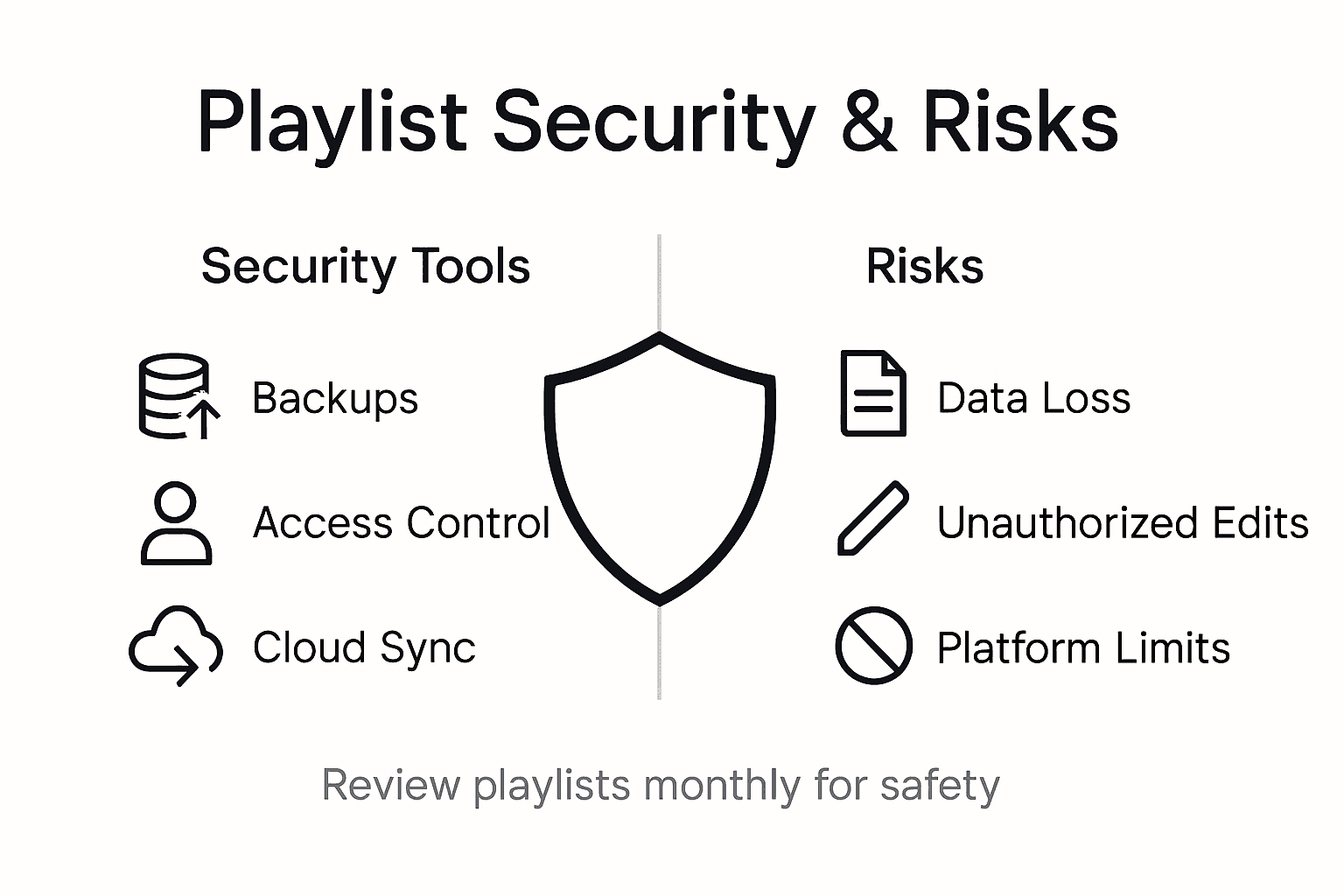
La siguiente tabla resume los riesgos para la integridad de las listas y las medidas más eficaces para reducirlos:
| Origen del riesgo | Posible impacto | Principal medida de prevención |
|---|---|---|
| Borrado accidental | Pérdida de una lista completa | Copias de seguridad manuales y automáticas |
| Cambio de servicio | Metadatos u orden alterados | Utilizar herramientas de transferencia verificadas |
| Acceso no autorizado | Cambios no deseados | Establecer controles de acceso sólidos |
| Inestabilidad de la nube | Pérdida de datos por interrupciones | Guardar copias en dos servicios en la nube |
Consejo práctico: Crea copias de seguridad manuales cada mes de tus listas más importantes y guárdalas en al menos dos ubicaciones independientes en la nube para minimizar el riesgo de perder todos los datos.
Protege tus listas de reproducción con confianza y sin complicaciones
Proteger tus listas de reproducción implica mucho más que mantenerlas a salvo. Supone conservar cada detalle, desde el orden de las canciones hasta los metadatos y el contexto personal de tu selección musical. Si te preocupa borrar una lista por accidente, cambiar de plataforma o perder la experiencia musical que has creado con tanto cuidado, no eres la única persona. Los retos descritos en «Cómo proteger tus listas de reproducción: acceso y seguridad» muestran que la protección de las listas requiere herramientas inteligentes diseñadas para evitar la pérdida de datos y mantener el acceso sin interrupciones.
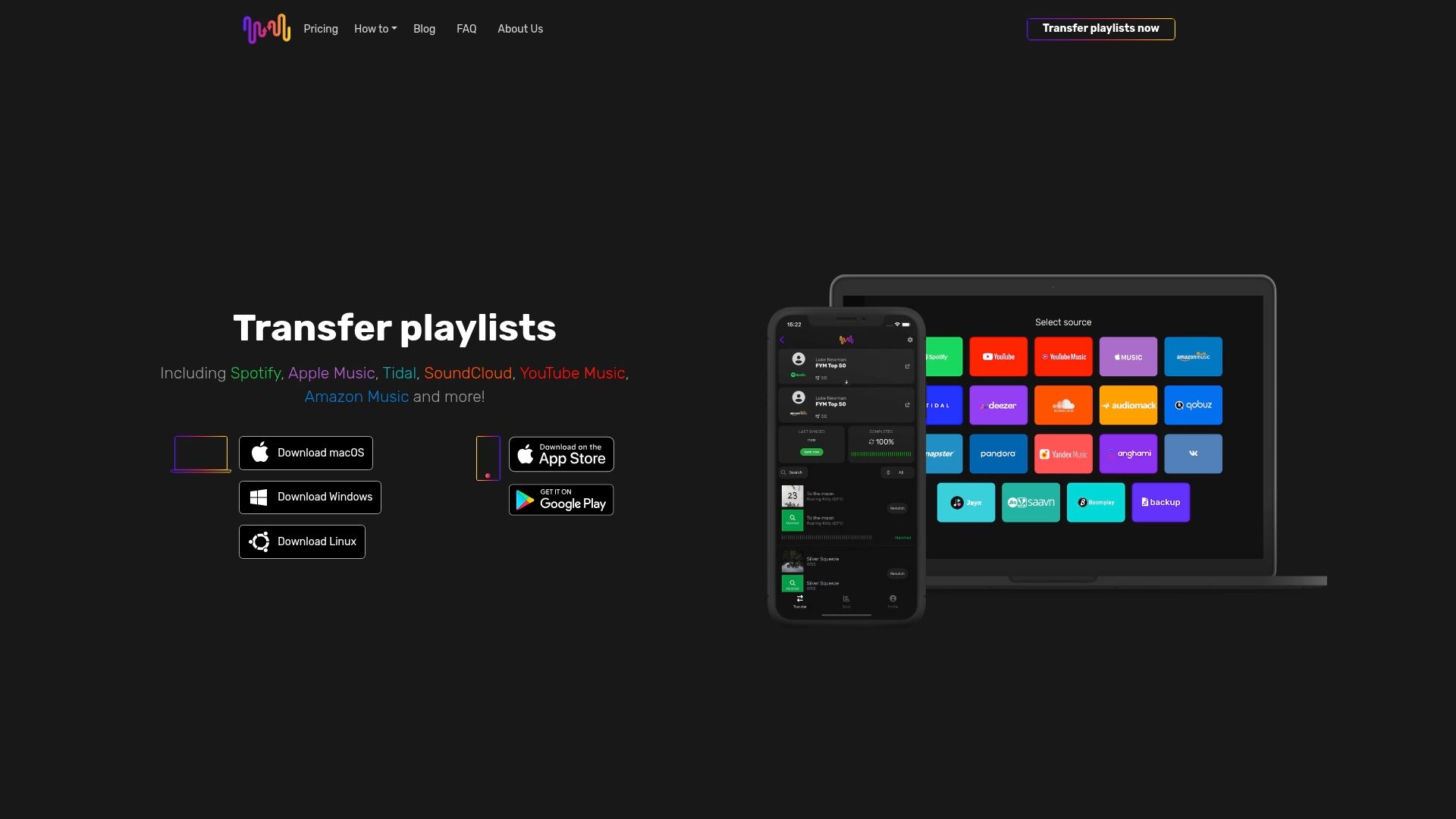
Toma el control hoy con FreeYourMusic.com, una potente solución que automatiza la transferencia de tus listas y conserva su estructura, sus metadatos y su narrativa emocional. Tanto si cambias a Spotify como a Apple Music o Amazon Music, disfruta de transferencias sencillas y fiables, con opciones de copia de seguridad en varias plataformas y funciones de sincronización diseñadas para proteger tus listas frente a riesgos inesperados. No esperes a perderlas. Protege ahora tus colecciones musicales y disfruta de cambios sin complicaciones con tecnologías de confianza que han demostrado su capacidad para preservar tu recorrido musical. Visita FreeYourMusic.com y descubre lo fácil que puede ser proteger tus listas de reproducción.
Preguntas frecuentes
¿Qué implica proteger las listas de reproducción?
Proteger las listas de reproducción implica conservar el orden de las canciones, mantener la integridad de los metadatos y preservar el contexto personal de la selección musical frente al acceso no autorizado o los problemas al cambiar de plataforma.
¿Cómo puedo proteger los metadatos de mis listas al cambiar de plataforma?
Para proteger los metadatos de tus listas durante una transferencia entre plataformas, utiliza herramientas de transferencia verificadas que garanticen su conservación, mantengan el orden de las listas y eviten el posible deterioro de los datos.
¿Qué estrategias son eficaces para proteger mis listas?
Entre las estrategias eficaces para proteger tus listas se encuentran establecer controles de acceso, realizar copias de seguridad periódicas, utilizar cifrado para proteger tu privacidad y contar con un plan sólido para transferirlas entre plataformas.
¿Qué debo hacer si borro una lista por accidente?
Si borras una lista por accidente, es fundamental contar con un sistema de copias de seguridad. Crea copias manuales y automáticas con regularidad para poder recuperar tus listas rápidamente y minimizar la pérdida de datos.
Lecturas recomendadas
- Free Your Music - ¿Por qué hacer copias de seguridad de tus listas? Una explicación completa
- Free Your Music - ¿Qué significa compartir listas de reproducción? Guía completa para usuarios
- Free Your Music - 7 métodos inteligentes para compartir música y gestionar tus listas de reproducción
- Free Your Music - Qué son los datos de las listas de reproducción y por qué son importantes
Tus listas de reproducción te pertenecen.
Deja de reconstruir tu biblioteca a mano. Transfiere todo en minutos y lleva tu música a donde vayas.
Descarga gratis →SongsBrew — nuestro boletín gratuito de música
Una ventaja gratuita para los usuarios de FYM. Consejos, listas de reproducción, sin spam.