Perché usare strumenti di terze parti per trasferire le playlist

Cambiare piattaforma di streaming musicale può sembrare complicato, soprattutto quando le tue playlist preferite racchiudono anni di ricordi e brani scelti con cura. Eppure, oltre il 65% degli utenti esita a passare a un nuovo servizio solo per la fatica di dover ricostruire da zero la propria libreria musicale. Molti pensano che trasferire la musica sia impossibile senza un interminabile copia e incolla, ma gli strumenti di terze parti per il trasferimento delle playlist cambiano completamente le cose, rendendo concreta la libertà di portare la propria libreria musicale ovunque.
Indice
- Cosa si intende per trasferimento delle playlist tramite strumenti di terze parti
- Il concetto di base
- Le caratteristiche principali degli strumenti di trasferimento di terze parti
- L'importanza del trasferimento delle playlist nello streaming musicale
- Esperienza utente e continuità nell'ascolto
- Le dinamiche dell'ecosistema musicale digitale
- Come funziona il trasferimento delle playlist tramite strumenti di terze parti
- L'architettura tecnica del trasferimento
- Il processo di abbinamento dei brani tramite algoritmi
- I principali vantaggi del trasferimento delle playlist tramite strumenti di terze parti
- Proteggere il valore della propria raccolta musicale
- Maggiore flessibilità nelle scelte di ascolto
Riepilogo rapido
| Punto chiave | Spiegazione |
|---|---|
| Gli strumenti di terze parti semplificano il trasferimento della musica. | Consentono di trasferire facilmente le playlist tra diversi servizi di streaming senza ricrearle manualmente. |
| Conserva senza fatica le playlist che hai creato con cura. | Gli strumenti di trasferimento mantengono i metadati e l'ordine delle playlist, preservando l'integrità della raccolta musicale durante il processo. |
| Prova nuove piattaforme di streaming senza rischi. | Gli utenti possono cambiare servizio e conservare le proprie raccolte musicali, riducendo al minimo il timore di perdere le librerie create con cura. |
| Algoritmi avanzati migliorano l'esperienza utente. | Questi strumenti utilizzano tecnologie sofisticate per abbinare i brani con precisione e trasferire i dati in modo sicuro, garantendo un'esperienza fluida. |
| L'ascolto della musica digitale diventa più libero e accessibile. | Il trasferimento delle playlist riduce i vincoli imposti dalle piattaforme, favorendo la libertà di scelta degli utenti e l'innovazione tra i servizi di streaming. |
Cosa si intende per trasferimento delle playlist tramite strumenti di terze parti
Il trasferimento delle playlist tramite strumenti di terze parti è un processo avanzato di gestione della musica digitale che consente agli utenti di spostare facilmente le proprie raccolte musicali tra diverse piattaforme di streaming. Questa soluzione tecnologica affronta la complessa sfida della portabilità delle librerie musicali in un ecosistema dello streaming sempre più frammentato.
Il concetto di base
In sostanza, trasferire le playlist tramite strumenti di terze parti significa utilizzare software o servizi specializzati per spostare automaticamente le playlist musicali da una piattaforma di streaming a un'altra. A differenza della ricostruzione manuale delle playlist, questi strumenti utilizzano algoritmi avanzati per trovare i brani corrispondenti, conservarne l'ordine e garantire la massima precisione possibile durante il trasferimento.
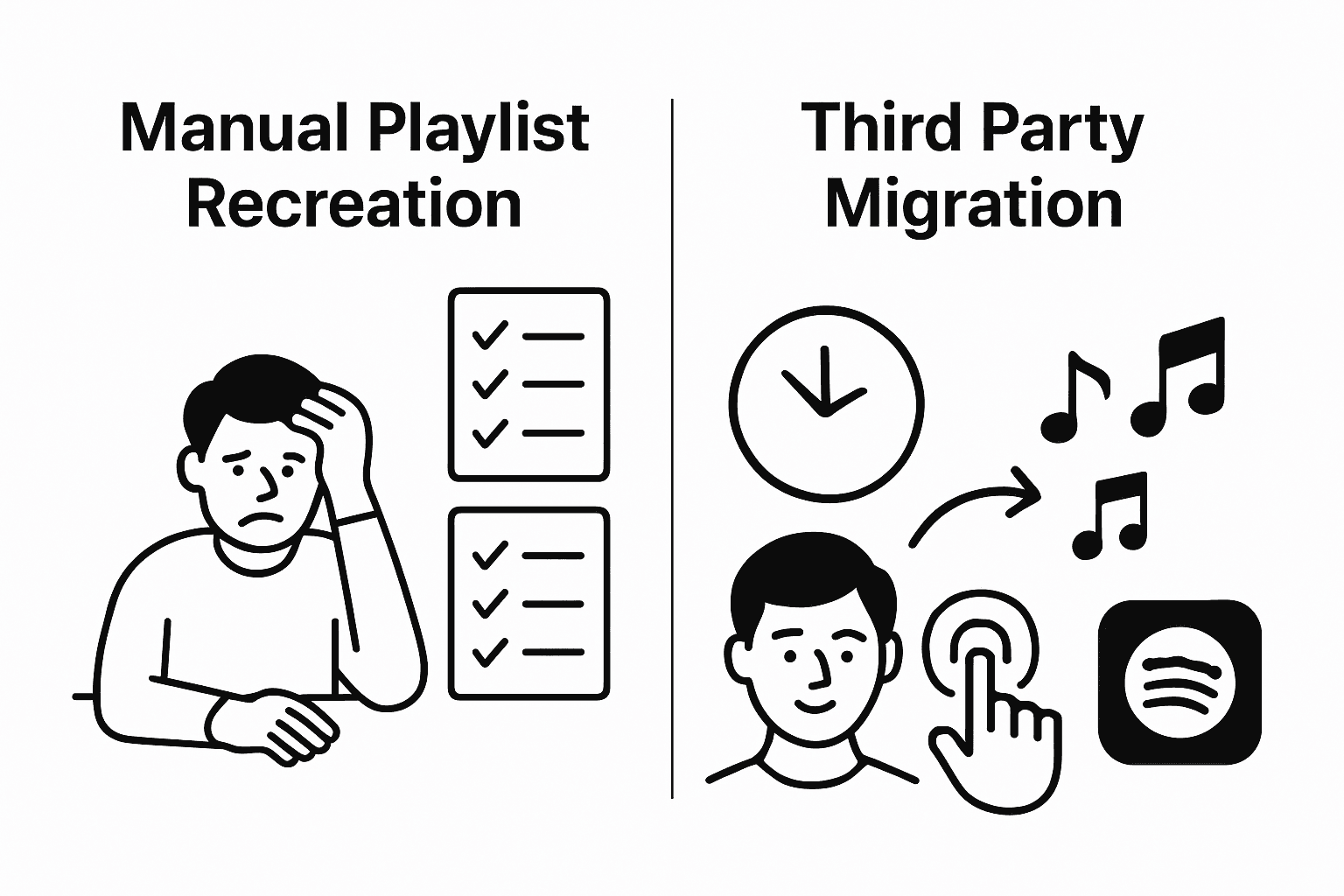
Scopri di più sulle opzioni di trasferimento delle playlist che possono semplificare la gestione della tua libreria musicale.
Le caratteristiche principali degli strumenti di trasferimento di terze parti
Le soluzioni di terze parti più efficaci per il trasferimento delle playlist condividono in genere alcune caratteristiche fondamentali:
- Ampia compatibilità con le piattaforme: possibilità di trasferire playlist tra numerosi servizi di streaming
- Abbinamento preciso dei brani: algoritmi avanzati che individuano i brani corrispondenti su piattaforme diverse
- Conservazione dei metadati: mantenimento dei nomi delle playlist, dell'ordine e delle informazioni aggiuntive sui brani
- Interfaccia intuitiva: procedure semplici e immediate che riducono al minimo la complessità tecnica
Secondo le linee guida di EDUCAUSE sull'integrazione, gli strumenti di terze parti più efficaci danno priorità a un'esperienza utente fluida e a prestazioni tecniche solide. L'obiettivo non è soltanto trasferire musica, ma rendere il passaggio semplice, rispettando le preferenze degli utenti e le loro raccolte musicali.
La tabella seguente riassume le caratteristiche principali degli strumenti di terze parti più efficaci per il trasferimento delle playlist, così da poterle confrontare a colpo d'occhio.
| Caratteristica | Descrizione |
|---|---|
| Ampia compatibilità con le piattaforme | Trasferisce playlist tra numerosi servizi di streaming |
| Abbinamento preciso dei brani | Utilizza algoritmi avanzati per individuare i brani corrispondenti su piattaforme diverse |
| Conservazione dei metadati | Mantiene i nomi delle playlist, l'ordine dei brani e i metadati aggiuntivi durante il trasferimento |
| Interfaccia intuitiva | Offre un'esperienza semplice e immediata per ridurre gli ostacoli tecnici |
| Esperienza utente fluida | Riduce al minimo le difficoltà, consentendo passaggi senza sforzo e rispettando le raccolte musicali |
| Prestazioni tecniche solide | Garantisce un funzionamento affidabile, con errori minimi e una gestione fluida dei dati |
Comprendere come funziona il trasferimento delle playlist tramite strumenti di terze parti permette agli appassionati di musica di superare i limiti delle piattaforme, esplorare nuovi servizi di streaming e conservare senza compromessi le librerie musicali create con cura.
L'importanza del trasferimento delle playlist nello streaming musicale
Il trasferimento delle playlist si è affermato come una soluzione fondamentale alle sfide in continua evoluzione dell'ascolto di musica digitale. Con il moltiplicarsi delle piattaforme di streaming e utenti sempre più esigenti, la possibilità di trasferire facilmente le raccolte musicali rappresenta un importante progresso tecnologico.
Esperienza utente e continuità nell'ascolto
Le librerie musicali sono raccolte profondamente personali che riflettono gusti, ricordi e legami emotivi. Quando si cambia piattaforma di streaming, la possibile perdita di playlist create con cura può avere conseguenze sia emotive sia pratiche. Scopri le strategie per trasferire le playlist che ti aiutano a dare continuità al tuo percorso musicale su servizi diversi.
Il trasferimento delle playlist consente agli utenti di:
- Conservare anni di selezione musicale
- Ridurre al minimo il tempo dedicato a ricreare manualmente le playlist
- Esplorare nuove piattaforme di streaming senza temere di perdere il proprio archivio musicale
- Mantenere intatte le playlist, compresi l'ordine dei brani e i metadati
Le dinamiche dell'ecosistema musicale digitale
Secondo una ricerca pubblicata sul Journal of Communication, il trasferimento delle playlist va oltre la semplice comodità tecnica. Rappresenta un meccanismo fondamentale per la fidelizzazione degli utenti e la concorrenza tra piattaforme nel panorama dello streaming musicale digitale. Riducendo i costi del passaggio da un servizio all'altro, questi strumenti consentono agli utenti di scegliere una piattaforma in base a funzionalità, prezzi e cataloghi musicali, senza restare vincolati a un unico servizio a causa dei limiti di trasferimento delle playlist.
La sua importanza va oltre l'esperienza del singolo utente. Gli strumenti di trasferimento delle playlist rendono lo streaming musicale più libero e accessibile perché:
- Abbattono le barriere tra le piattaforme
- Incoraggiano l'innovazione dei servizi
- Offrono agli utenti maggiore libertà di scelta
- Favoriscono un ambiente di streaming musicale più competitivo e incentrato sugli utenti
Il trasferimento delle playlist trasforma quindi l'approccio all'ascolto di musica digitale, superando i limiti tecnologici e preservando il carattere profondamente personale delle raccolte musicali.
Come funziona il trasferimento delle playlist tramite strumenti di terze parti
Il trasferimento delle playlist tramite strumenti di terze parti è un processo tecnologico avanzato che cambia il modo in cui gli utenti interagiscono con le piattaforme di musica digitale. Grazie ad algoritmi evoluti e a solide tecniche di integrazione, questi strumenti consentono di trasferire facilmente le raccolte musicali tra diversi servizi di streaming.
L'architettura tecnica del trasferimento
Il processo di trasferimento prevede diverse fasi complesse, progettate per garantire la massima precisione e un'esperienza utente ottimale. Scopri i metodi di trasferimento delle playlist che semplificano la gestione della tua musica.
Il meccanismo di trasferimento si basa su alcuni componenti tecnici fondamentali:
Questa tabella presenta i principali componenti tecnici coinvolti nel trasferimento delle playlist tramite strumenti di terze parti, chiarendo la funzione di ciascuno.
| Componente tecnico | Funzione |
|---|---|
| Protocolli di autenticazione | Collegano gli account degli utenti su più piattaforme di streaming e ne autorizzano l'accesso in modo sicuro |
| Algoritmi di abbinamento dei metadati | Individuano e abbinano i brani corrispondenti usando attributi come titolo, artista e album |
| Integrazione tramite API | Accede ai servizi di streaming tramite software per raccogliere e aggiornare i dati delle playlist |
| Motori di trasformazione dei dati | Convertono e adattano le strutture delle playlist per renderle compatibili con piattaforme diverse |
- Protocolli di autenticazione: collegano in modo sicuro gli account degli utenti su piattaforme diverse
- Algoritmi di abbinamento dei metadati: individuano i brani corrispondenti con elevata precisione
- Integrazione tramite API: utilizza le interfacce di comunicazione dei servizi di streaming
- Motori di trasformazione dei dati: convertono le strutture delle playlist nei formati delle diverse piattaforme
Il processo di abbinamento dei brani tramite algoritmi
Secondo la documentazione di Google sul trasferimento delle playlist, il processo di abbinamento dei brani è particolarmente articolato. Gli strumenti di trasferimento avanzati utilizzano algoritmi complessi che analizzano diversi attributi dei brani per riprodurre le playlist nel modo più fedele possibile.
Il processo di abbinamento prende generalmente in considerazione:
- Titolo del brano
- Nome dell'artista
- Informazioni sull'album
- Durata
- Tecniche di riconoscimento dell'impronta audio
Incrociando questi elementi, gli strumenti di trasferimento possono ricostruire le playlist con notevole precisione, anche quando non sono disponibili corrispondenze esatte per i brani. L'obiettivo è preservare l'esperienza musicale originale dell'utente adattandosi ai limiti delle diverse piattaforme di streaming.
Il trasferimento delle playlist tramite strumenti di terze parti è quindi una soluzione tecnologica avanzata che supera le differenze tra le piattaforme, offrendo agli utenti una flessibilità senza precedenti nella gestione delle proprie raccolte musicali digitali.
I principali vantaggi del trasferimento delle playlist tramite strumenti di terze parti
Il trasferimento delle playlist tramite strumenti di terze parti va oltre il semplice spostamento di dati: offre agli utenti una soluzione completa per orientarsi nel complesso panorama dello streaming musicale digitale. I vantaggi di questi strumenti superano di gran lunga il trasferimento delle playlist e cambiano radicalmente il modo in cui gli appassionati gestiscono le proprie raccolte musicali digitali.
Proteggere il valore della propria raccolta musicale
Le librerie musicali personali rappresentano un investimento significativo di tempo, energie emotive e, spesso, denaro. Scopri strategie complete per trasferire le playlist che proteggono il tuo patrimonio musicale su piattaforme diverse.
Il trasferimento delle playlist offre agli utenti vantaggi concreti, tra cui:
- Eliminare la necessità di ricreare manualmente le playlist
- Proteggere anni di selezioni musicali curate
- Ridurre le difficoltà nel passaggio tra servizi di streaming
- Conservare i metadati e l'organizzazione delle playlist
Maggiore flessibilità nelle scelte di ascolto
Secondo l'analisi di Son-Vid e9.com sul trasferimento della musica, gli strumenti di terze parti offrono agli utenti una flessibilità senza precedenti nel gestire le proprie abitudini di ascolto.
I principali vantaggi per le proprie scelte di ascolto includono:
- Libertà di cambiare piattaforma di streaming senza perdere la propria musica
- Possibilità di esplorare nuovi servizi senza l'ostacolo di dover ricreare le playlist
- Backup completo delle raccolte musicali personali
- Maggiore controllo sulle interazioni con l'ecosistema musicale digitale
Oltre ai vantaggi per i singoli utenti, il trasferimento delle playlist tramite strumenti di terze parti rappresenta un'innovazione tecnologica fondamentale che rende lo streaming musicale più libero e accessibile. Riducendo i vincoli delle piattaforme e rafforzando la libertà di scelta, questi strumenti mettono in discussione le restrizioni tradizionali dei servizi di streaming e promuovono un ambiente musicale digitale più aperto e incentrato sugli utenti.

Trasferisci le tue playlist senza perdere il ritmo
Basta ore passate a ricostruire le tue playlist preferite solo perché vuoi provare una nuova piattaforma di streaming musicale. L'articolo che hai appena letto mostra quanto possa essere frustrante e doloroso perdere una selezione musicale dal valore inestimabile o dover ricreare le playlist brano per brano. Tieni alla tua libreria musicale: alle playlist, al loro ordine e a ogni canzone scelta con cura. Perché rischiare di ricominciare da zero o di commettere errori? Free Your Music è pensato proprio per risolvere questo problema. La nostra piattaforma offre tutto il necessario per trasferire le playlist senza difficoltà tramite un servizio di terze parti, permettendoti di preservare ogni dettaglio della tua raccolta anche quando cambi servizio.
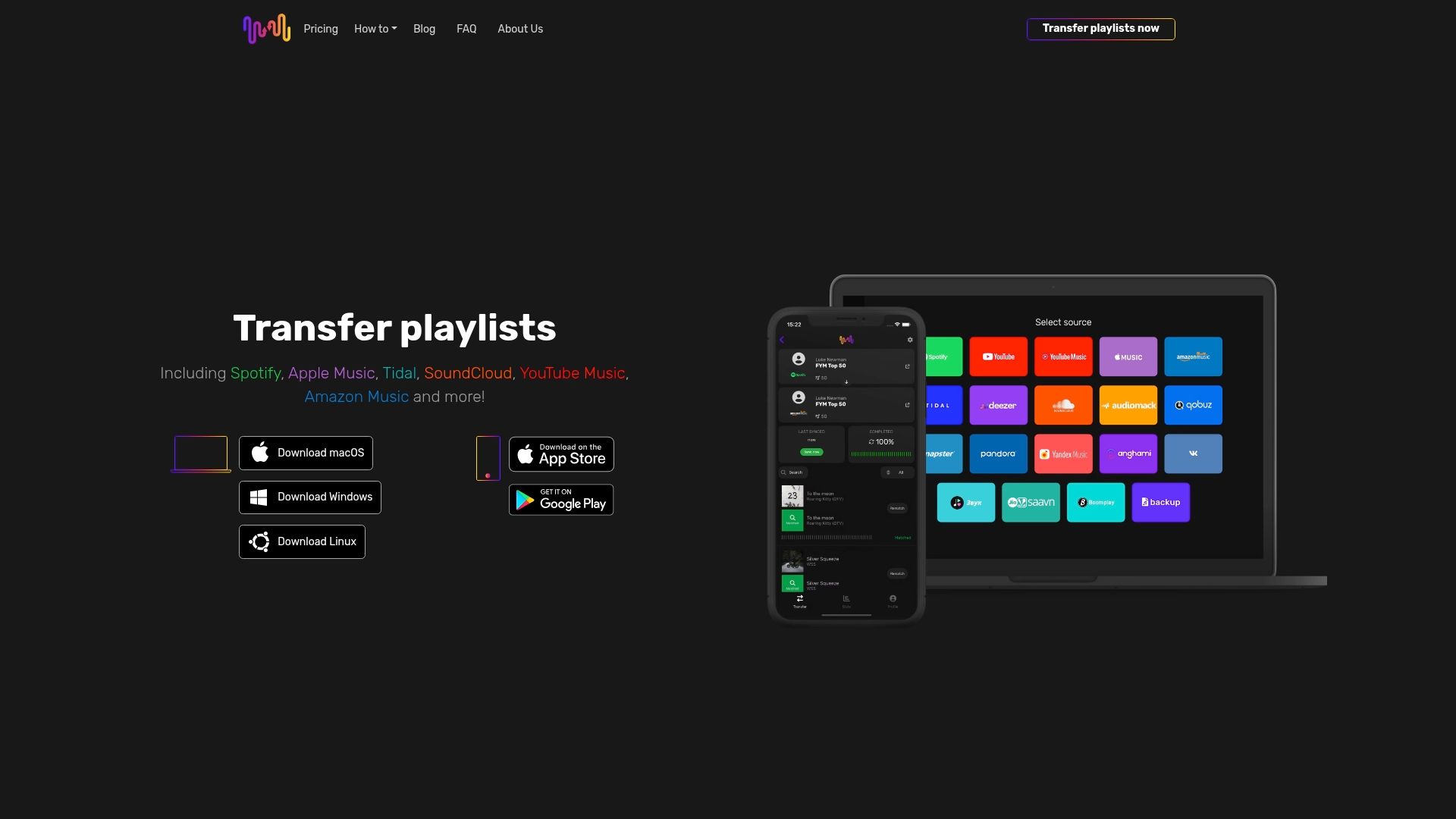
Scopri quanto può essere semplice trasferire le playlist e proteggi oggi stesso il tuo patrimonio musicale. Fai la scelta giusta e prova la comodità dei trasferimenti con Free Your Music. Liberati dallo stress, gestisci le tue playlist con tranquillità e goditi più musica con meno complicazioni. Inizia subito per non dover mai rinunciare a una playlist a cui tieni.
Domande frequenti
Che cos'è il trasferimento delle playlist tramite strumenti di terze parti?
Il trasferimento delle playlist tramite strumenti di terze parti è un processo che consente agli utenti di spostare facilmente le proprie playlist musicali da una piattaforma di streaming a un'altra utilizzando software o servizi specializzati.
Come funziona il trasferimento delle playlist tramite strumenti di terze parti?
Il processo prevede il collegamento sicuro degli account degli utenti su piattaforme diverse, l'uso di algoritmi per abbinare i brani con precisione e la conversione delle strutture delle playlist per garantire la compatibilità tra i servizi.
Quali sono i vantaggi degli strumenti di terze parti per il trasferimento delle playlist?
Questi strumenti aiutano gli utenti a preservare le librerie musicali create con cura, eliminare la necessità di ricreare manualmente le playlist, ridurre al minimo i disagi del cambio di servizio e mantenere intatti i metadati delle playlist.
Posso perdere le mie playlist quando cambio servizio di streaming?
No, gli strumenti di terze parti per il trasferimento delle playlist evitano la perdita delle playlist, consentendo agli utenti di trasferire le proprie raccolte musicali intatte e garantendo un passaggio fluido tra le piattaforme.
Contenuti consigliati
Le tue playlist ti appartengono.
Smetti di ricostruire tutto a mano. Sposta ogni cosa in pochi minuti e porta la tua musica ovunque tu vada.
Scarica gratis →SongsBrew — la nostra newsletter musicale gratuita
Un vantaggio gratuito per gli utenti FYM. Consigli, playlist, niente spam.