Smart Playlist Organization: Maximizing Streaming Freedom
Most American music fans have experienced the hassle of playlist chaos, juggling favorite tracks across different platforms. With over 60 percent of listeners using multiple streaming services, keeping songs organized can feel impossible. Smart playlist organization promises a fresh solution, combining intelligent technology with your unique tastes for playlists that adapt to your mood and activities. Discover how modern tools are redefining the way American listeners manage their music collections.
Table of Contents
- Smart Playlist Organization Defined And Debunked
- Types Of Smart Playlists Across Streaming Platforms
- Essential Features For Playlist Management Success
- How Automated Syncing And Transfers Work
- Risks, Limits, And Mistakes Users Should Avoid
Key Takeaways
| Point | Details |
|---|---|
| Smart Playlists Enhance Personalization | Utilize intelligent algorithms to automatically curate playlists based on mood and activity, creating a dynamic listening experience. |
| Context-Aware Generation is the Future | Modern systems adapt playlists in real-time according to users' preferences and environments, offering personalized experiences. |
| Active Management is Crucial | Regularly review and refine playlists to keep them fresh and aligned with individual tastes, minimizing reliance on automation. |
| Be Aware of Risks in Automation | Understand potential pitfalls such as metadata inconsistencies and synchronization errors to preserve your music library effectively. |
Smart Playlist Organization Defined and Debunked
Playlist organization transcends simply collecting songs. It's about creating a personalized musical journey that adapts to your mood, activity, and listening preferences. Context-aware playlist generation represents the cutting edge of this approach, where technology learns to understand not just what you listen to, but when and why you listen.
Traditional playlist management often involves manual curation, which can be time-consuming and static. Modern approaches leverage intelligent algorithms that can automatically adjust playlist structure based on listening patterns. For instance, the MIT Media Lab's research demonstrates how playlists can dynamically adapt to a user's current context - selecting songs that match your walking pace or emotional state.
Smart playlist organization breaks down into several key strategies:
- Contextual Matching: Selecting songs that fit your current environment or activity
- Mood-Based Selection: Curating tracks that align with emotional states
- Adaptive Sequencing: Automatically reordering tracks to maintain energy or emotional flow
- Cross-Platform Compatibility: Ensuring playlists can transfer seamlessly between different music services
Pro Tip: Digital Music Strategy: Spend 15 minutes weekly reviewing and refining your playlists, using smart sorting tools to keep your music collection dynamic and personalized.
Here’s a quick comparison of manual versus smart playlist organization approaches:
| Aspect | Manual Curation | Smart Playlist Organization |
|---|---|---|
| Time Investment | High, requires consistent updates | Low, driven by automation |
| Personalization | Custom but can be static | Adaptively tailored to habits |
| Flexibility | Adjustment needs manual work | Dynamically responds to context |
| Discovery | User must seek new music | Recommends new relevant songs |
Types of Smart Playlists Across Streaming Platforms
Streaming platforms have revolutionized music discovery by introducing sophisticated playlist types that go beyond traditional song collections. Context-aware playlist generation represents a breakthrough in how we interact with music, creating dynamic listening experiences tailored to individual preferences and environments.
Modern streaming services offer several innovative playlist categories that adapt to user needs:
- Activity-Based Playlists: Automatically curated music matching workout intensity, commute duration, or work productivity
- Mood-Driven Selections: Playlists that shift based on emotional states and energy levels
- Learning and Development Playlists: Similar to educational playlist strategies that organize content for skill progression
- Hybrid Recommendation Playlists: Machine learning algorithms that blend user history with new musical discoveries
These smart playlists leverage advanced algorithms that analyze listening patterns, tempo, genre compatibility, and user interaction to create seamless musical experiences. By understanding contextual nuances, streaming platforms can now generate playlists that feel personally curated rather than randomly assembled.

Pro Tip: Playlist Mastery: Spend 20 minutes monthly exploring your streaming platform's playlist recommendation features to discover how their smart algorithms can enhance your musical journey.
Essential Features for Playlist Management Success
Effective playlist management transcends simple song collections, requiring sophisticated tools that adapt to users' dynamic musical preferences. Smart playlist creation features represent the cutting edge of music organization, enabling users to automate and customize their listening experiences with unprecedented precision.
Key essential features for successful playlist management include:
- Intelligent Filtering: Automatically sorting tracks based on genre, tempo, release year, or mood
- Cross-Platform Synchronization: Seamlessly transferring playlists between different music streaming services
- Dynamic Update Mechanisms: Automatically refreshing playlist contents based on listening habits
- Metadata Tagging: Comprehensive song information management for advanced sorting and searching
- Collaborative Playlist Tools: Enabling shared music curation with friends or groups
Advanced playlist management goes beyond simple song storage. Modern systems leverage machine learning algorithms to predict user preferences, creating personalized musical journeys that evolve with individual tastes. These intelligent systems analyze listening patterns, recommend complementary tracks, and maintain playlist coherence across different contexts and moods.
Pro Tip: Playlist Optimization: Review and refine your playlist organization strategy quarterly, removing stale tracks and introducing fresh discoveries to keep your music collection dynamic and engaging.
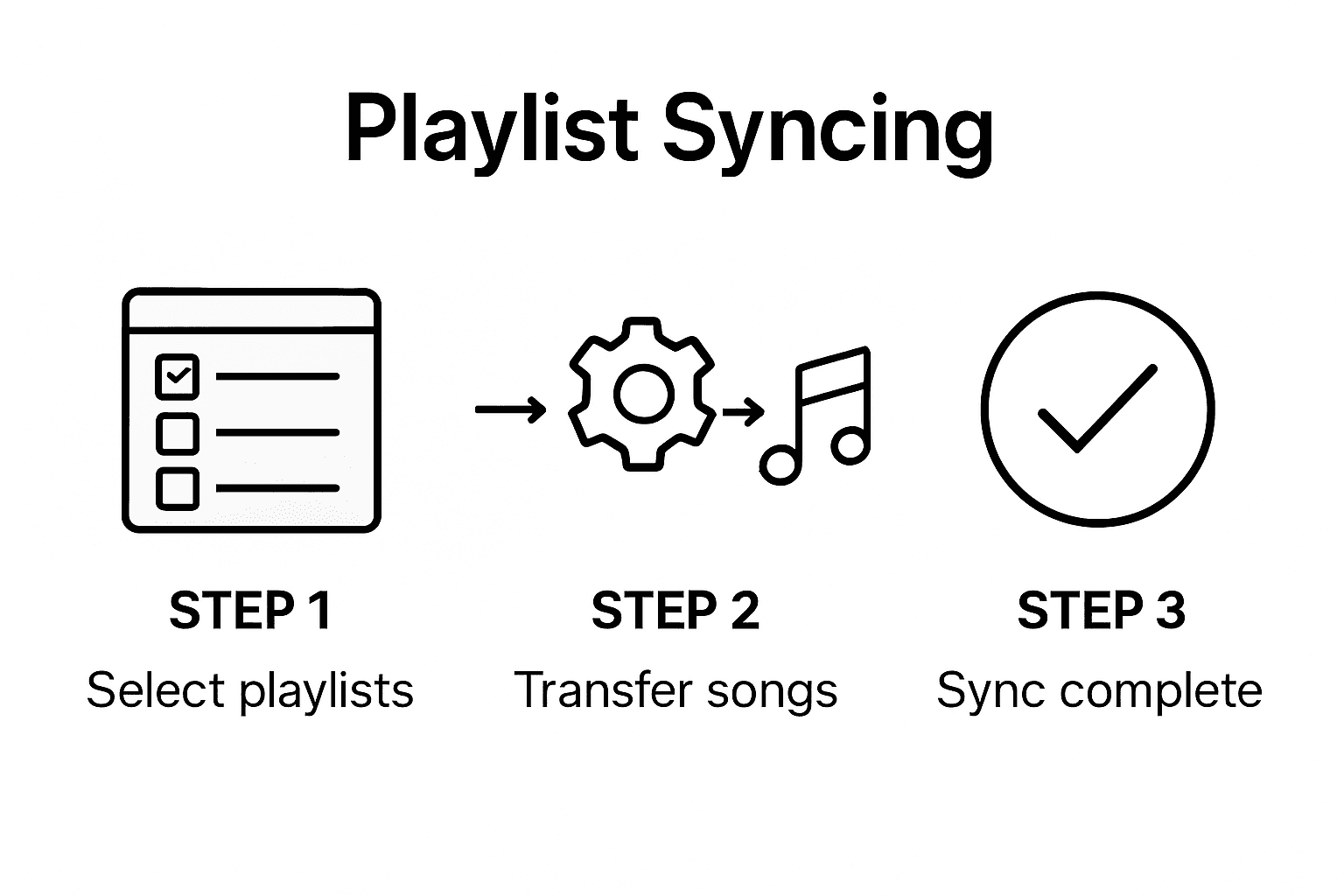
How Automated Syncing and Transfers Work
Automated music syncing represents a revolutionary approach to playlist management, transforming how users interact with their digital music libraries. Smart playlist updating mechanisms enable seamless transfers and real-time adjustments across multiple streaming platforms, eliminating the tedious manual work of maintaining music collections.
The core technologies powering automated syncing rely on sophisticated algorithms that perform several critical functions:
- Metadata Matching: Identifying identical tracks across different streaming services
- Structural Preservation: Maintaining original playlist ordering and composition
- Adaptive Synchronization: Updating playlists based on listening history and preferences
- Cross-Platform Compatibility: Translating song information between different music ecosystems
- Intelligent Conflict Resolution: Managing duplicate or unavailable tracks during transfers
Under the hood, these systems use advanced machine learning techniques to analyze musical attributes, user behavior, and platform-specific constraints. The result is a fluid, intelligent transfer process that adapts to individual user needs, ensuring music collections remain dynamic and personalized across different streaming environments.
Pro Tip: Sync Strategy: Schedule monthly playlist audits to verify cross-platform transfers and remove any tracks that didn't successfully migrate between services.
Risks, Limits, and Mistakes Users Should Avoid
Playlist management technologies, while powerful, come with inherent complexities that users must carefully navigate. Smart playlist management systems are not infallible, and understanding their potential pitfalls is crucial for maintaining a seamless music experience.
Common risks and limitations in automated playlist management include:
- Metadata Inconsistencies: Tracks may not perfectly match across different platforms
- Licensing Restrictions: Some songs might be unavailable in certain regions or services
- Algorithmic Bias: Automatic recommendations can create echo chambers of musical taste
- Storage Limitations: Some services cap the number of tracks in a playlist
- Synchronization Errors: Partial or failed transfers can fragment music collections
Users frequently make critical mistakes that compromise their music libraries. These include over-relying on automated systems without manual verification, failing to create backup playlists, and not understanding the specific transfer capabilities of different streaming platforms. The most significant risk is losing carefully curated song collections during migration, which can represent years of musical curation and personal memories.
Pro Tip: Playlist Preservation: Always maintain a manual backup of your most important playlists in a separate location or service before attempting large-scale automated transfers.
For easy reference, here’s a summary of common playlist management risks and expert tips to avoid them:
| Risk Area | Example Issue | Proactive Solution |
|---|---|---|
| Data Loss | Playlists disappearing after transfer | Maintain backups before changes |
| Song Gaps | Tracks missing due to licensing limits | Check library compatibility first |
| Recommendation Bias | Music choices become repetitive | Regularly explore diverse artists |
| Sync Failures | Incomplete cross-platform migration | Audit playlists after syncing |
Simplify Your Smart Playlist Management and Transfer Experience
Managing smart playlists is exciting but can become overwhelming when switching between streaming platforms or trying to keep your collections dynamically updated. The article highlights challenges like maintaining playlist structure, syncing music across services, and avoiding data loss during transfers. If you want an effortless solution that respects your curated moods and contexts while freeing you from manual rebuilding, you are not alone.
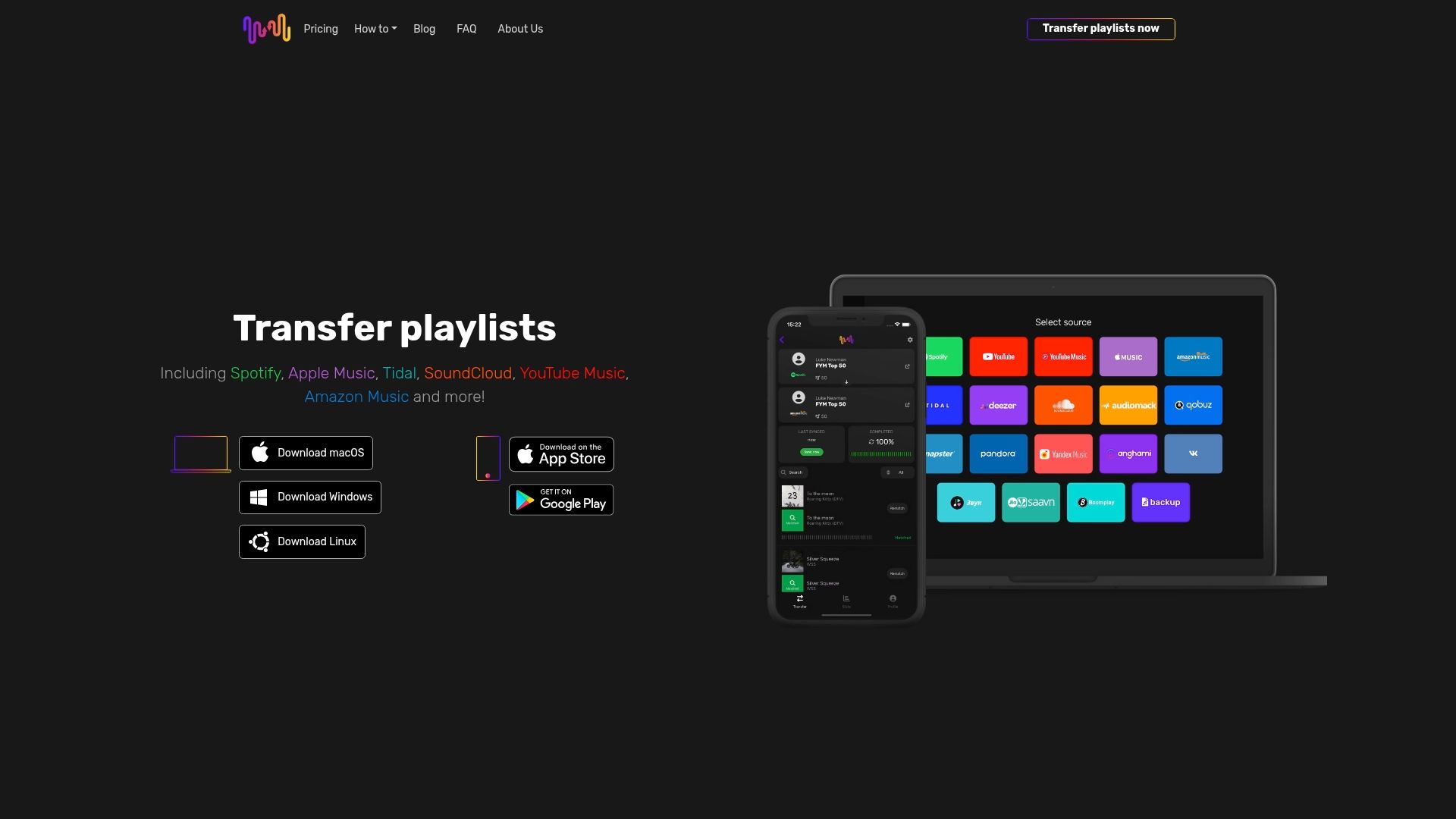
FreeYourMusic.com offers a tailored SaaS platform designed to solve these exact problems. With automated playlist synchronization, accurate song matching, and support for unlimited playlists across top streaming services including Spotify, Apple Music, and YouTube Music, you can preserve your smart playlists’ integrity and enjoy seamless cross-platform freedom every day.
Discover how easy transferring your dynamic, context-aware playlists can be. Visit FreeYourMusic.com now to start migrating your music with confidence and regain full control over your personalized soundtrack. Don’t let complicated transfers interrupt your rhythm. Take the first step to simplify your music life today.
Explore more on automated syncing and transfers to ensure your playlists stay fresh and intact no matter where you listen.
Frequently Asked Questions
What is smart playlist organization?
Smart playlist organization involves using technology to create personalized music playlists that adapt to your mood, activity, and listening habits, often through algorithms that analyze contextual data.
How do streaming platforms create context-aware playlists?
Streaming platforms leverage advanced algorithms to select songs based on various factors such as your listening history, mood, activity, and environmental context, ensuring a dynamic listening experience.
What are some essential features for successful playlist management?
Key features include intelligent filtering, cross-platform synchronization, dynamic updates, metadata tagging, and collaborative tools that enhance the personalization and organization of playlists.
What are the common risks associated with automated playlist management?
Common risks include metadata inconsistencies, licensing restrictions, algorithmic bias, storage limitations, and synchronization errors that may affect the integrity of your music collections.
Recommended
Your playlists belong to you.
Stop rebuilding by hand. Move everything in minutes and take your music wherever you go.
Download free →SongsBrew — our free music newsletter
A free perk for FYM users. Tips, playlists, no spam.