Music Playlist Data Privacy: Risks and Protections

Most music fans are surprised to learn that even an american DJ’s playlist can reveal deeply personal details when shared across streaming services. With every track you save or mood-based playlist you create, you’re leaving behind a digital footprint that goes beyond basic music taste. For tech-savvy DJs and enthusiasts who value privacy, this guide reveals how playlist data is tracked, where your rights stand, and which safeguards matter most as you switch between global platforms.
Table of Contents
- What Is Music Playlist Data Privacy?
- Types of Playlist Data and How It's Used
- How Streaming Migration Services Handle Your Data
- Legal Standards: GDPR, CCPA, and Global Laws
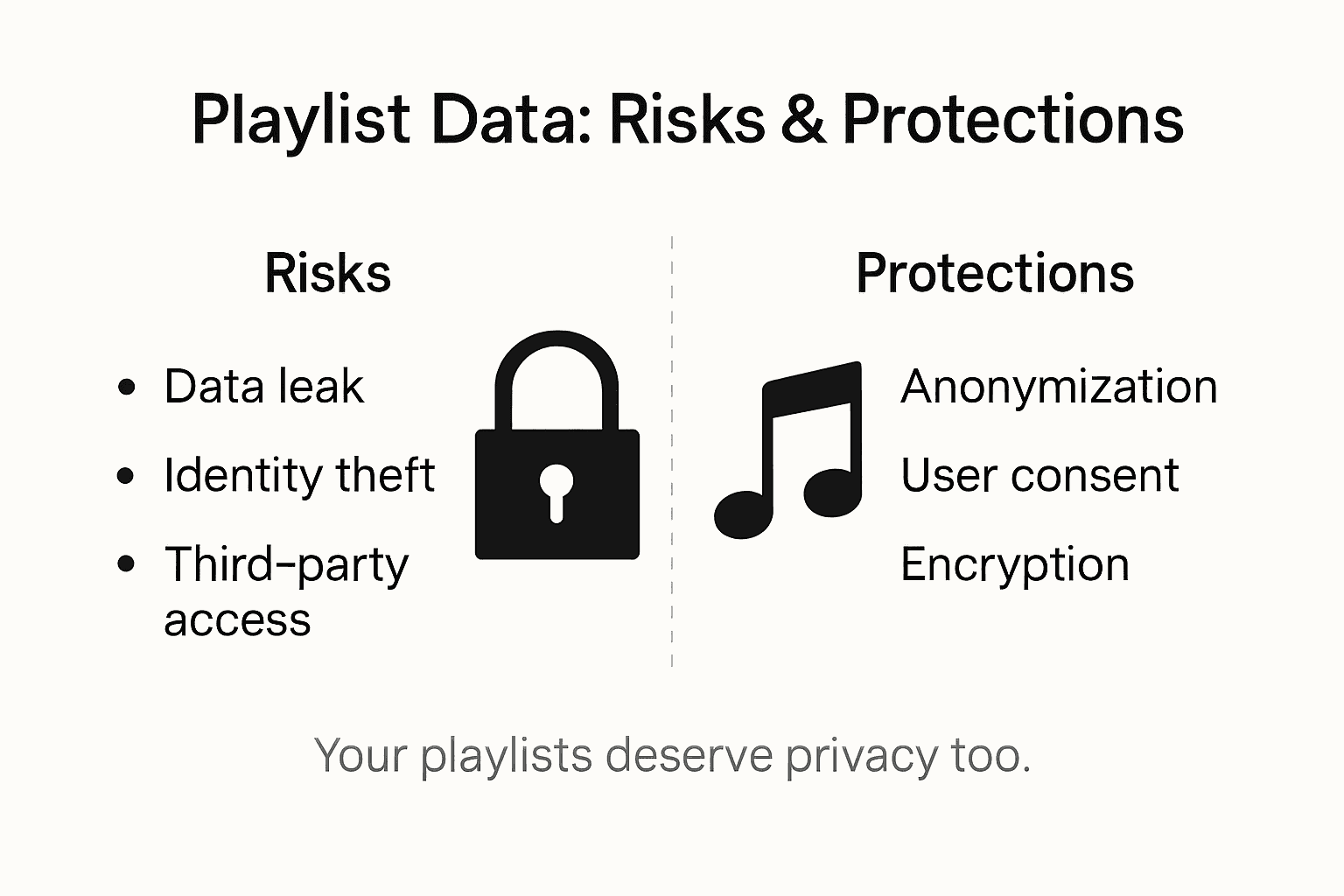
- Risks, Breaches, and Protecting Your Playlists
- User Rights and Making Informed Choices
Key Takeaways
| Point | Details |
|---|---|
| Music Playlist Data Privacy Is Important | Personal information and listening behaviors tied to playlists can reveal sensitive insights, necessitating careful handling. |
| Types of Playlist Data Impact Privacy | Curated, algorithmic, and user-generated playlists vary in sensitivity, influencing potential privacy risks. |
| Understand Data Handling in Streaming Services | Users must review privacy settings, consent protocols, and security measures of streaming and migration services to protect their data. |
| User Rights Are Crucial | Familiarize yourself with digital privacy rights to manage personal data effectively and reduce exposure risks. |
What Is Music Playlist Data Privacy?
Music playlist data privacy refers to the protection of personal information and listening behaviors associated with an individual's music collection and streaming preferences. This sensitive data encompasses not just the songs you select, but also reveals intricate details about your musical taste, emotional states, and potentially personal habits. Understanding music playlist data involves recognizing how streaming platforms collect, store, and potentially utilize these intimate musical profiles.
At its core, private playlist data consists of user-created collections that reflect genuine listener preferences often invisible in public metrics. These digital soundtracks capture more than just song selections – they represent personal narratives through music. When you curate a playlist for a specific mood, workout routine, or life event, you're unknowingly generating a detailed psychological profile that could be valuable to various stakeholders, from marketing agencies to recommendation algorithms.
The privacy risks emerge from how streaming services might leverage this data. While personalization features like music recommendations seem beneficial, they simultaneously create complex digital footprints. Your playlist might reveal information about your emotional state, cultural background, professional environment, and personal relationships. Unauthorized access or improper data handling could potentially expose sensitive aspects of your identity far beyond simple musical preferences.
Pro tip: Regularly audit your streaming platform's privacy settings and limit data sharing to maintain control over your musical profile and personal information.
Types of Playlist Data and How It's Used
Playlist data in the music streaming ecosystem can be broadly categorized into three primary types: curated, algorithmic, and user-generated playlists. Music recommender systems leverage these different playlist types to create sophisticated music discovery experiences that go far beyond simple song selection.
Curated Playlists represent professionally assembled collections typically created by music experts, record labels, or streaming platform editorial teams. These playlists are carefully crafted to showcase specific genres, moods, or emerging artists. They serve critical functions in music discovery, introducing listeners to new tracks and helping artists gain exposure through strategic placement and thematic connections.
Algorithmic Playlists are dynamically generated through automated systems using complex user data and listening patterns. These playlists analyze your historical music preferences, time of day, activity levels, and even cross-reference data with similar user profiles to create personalized recommendations. By employing collaborative filtering and machine learning techniques, streaming platforms can predict and suggest music with remarkable accuracy, transforming how listeners explore new musical content.
User-Generated Playlists represent the most personal form of playlist data, directly reflecting individual taste, emotional states, and life experiences. These playlists are created by users themselves, capturing unique musical journeys that range from workout compilations to breakup soundtracks. While seemingly simple, these playlists provide rich psychological insights into listener behavior and cultural trends.
Pro tip: Periodically review and refresh your listening habits to ensure recommendation algorithms accurately reflect your current musical preferences.
Here's a breakdown of playlist data types and their impact on user privacy:
| Playlist Type | Data Sensitivity Level | Who Curates Data | Typical Privacy Risk |
|---|---|---|---|
| Curated | Low to Moderate | Music editors, labels | Limited profiling |
| Algorithmic | Moderate to High | Automated platform logic | Personalized tracking |
| User-Generated | Very High | Individual listeners | Deep psychological profiling |
How Streaming Migration Services Handle Your Data
Streaming migration services play a critical role in helping users transfer playlists between different music platforms while maintaining strict data privacy protocols. Private playlist data processing involves complex anonymization techniques that protect user information during inter-platform transfers, ensuring sensitive musical preferences remain confidential.
Data Anonymization represents the first line of defense in playlist migration. These services utilize advanced encryption methods to strip personally identifiable information from playlist data before transmission. This process transforms raw user data into aggregated, anonymized collections that prevent individual user tracking while still enabling broader analytical insights about music consumption patterns.
Consent and Transparency are fundamental principles guiding how migration services handle user data. Before transferring any playlist information, reputable services require explicit user consent, clearly outlining what data will be collected, how it will be used, and the specific protections in place. This approach ensures users maintain control over their musical profiles, understanding exactly how their personal listening history will be managed during platform transitions.
Security Protocols in playlist migration involve multiple layers of protection. Streaming migration services employ end-to-end encryption, secure authentication mechanisms, and rigorous data deletion policies. They implement strict access controls that limit who can view or interact with transferred playlist data, creating multiple barriers against potential unauthorized access or data breaches.
Pro tip: Always review the privacy policy and data handling procedures before using any playlist migration service to understand exactly how your musical data will be protected.
Legal Standards: GDPR, CCPA, and Global Laws
Data privacy regulations in the music streaming industry have become increasingly complex, with comprehensive legal frameworks emerging to protect user information across different global jurisdictions. These laws fundamentally reshape how music platforms handle personal data, establishing critical standards for consent, transparency, and user rights.
The General Data Protection Regulation (GDPR) represents the most rigorous privacy standard worldwide, specifically designed to protect European Union citizens' personal information. This regulation mandates that music streaming services obtain explicit consent before processing user data, implement robust security measures, and provide users with comprehensive rights to access, modify, and delete their personal information. Companies operating globally must comply with GDPR requirements when handling data from EU residents, creating a stringent baseline for international data protection.
The California Consumer Privacy Act (CCPA) extends similar protections to California residents, offering unprecedented control over personal data collection and usage. This law requires music streaming platforms to transparently disclose what personal information is collected, provide opt-out mechanisms for data sales, and enable users to request complete deletion of their personal records. The CCPA's broad definition of personal information encompasses listening histories, playlist compositions, and user interaction data, dramatically expanding consumer privacy protections.
Global Compliance Challenges emerge as streaming services navigate an increasingly complex international regulatory landscape. Different regions have begun implementing unique data protection standards, creating a challenging environment for music platforms seeking to maintain consistent global operations. These regulations require sophisticated data management systems capable of adapting to varied legal requirements while maintaining user trust and protecting sensitive musical preference information.
Pro tip: Regularly review privacy settings across your streaming platforms and migration services, understanding your specific regional data protection rights.
Compare leading privacy regulations governing music playlist data:
| Regulation | Region Covered | User Rights Highlighted | Platform Responsibility |
|---|---|---|---|
| GDPR | European Union | Data access, correction, deletion | Explicit consent, strong security |
| CCPA | California, USA | Opt-out, record access, deletion | Disclosure, opt-out data sales |
| Other Global | Asia, Americas, etc | Varies: access, notification, deletion | Compliance with local standards |
Risks, Breaches, and Protecting Your Playlists
Music playlist data represents an intimate digital fingerprint that can be surprisingly vulnerable to cyber threats and unauthorized access. Playlist data breaches can expose sensitive personal information, revealing nuanced details about listeners' emotional states, cultural preferences, and potentially even psychological profiles through their musical choices.

Potential Risks associated with playlist data exposure extend far beyond simple music preferences. Cybercriminals could potentially exploit detailed listening histories to construct sophisticated social engineering profiles, target personalized phishing attempts, or even infer personal characteristics like age, professional background, and emotional vulnerabilities. A seemingly innocent playlist could inadvertently provide malicious actors with unexpected insights into an individual's personal life and psychological landscape.
Data Vulnerability Vectors include multiple potential breach points within music streaming ecosystems. Unsecured third-party applications, weak authentication mechanisms, inadequate encryption protocols, and complex data sharing agreements between platforms create potential vulnerabilities. Streaming services and migration platforms must implement robust multilayered security strategies that go beyond traditional data protection approaches, recognizing the uniquely personal nature of musical preference data.
Proactive Protection Strategies require users to adopt a comprehensive approach to playlist privacy. This includes regularly reviewing app permissions, using strong unique passwords, enabling two-factor authentication, limiting third-party data access, and being selective about playlist sharing features. Understanding the granular privacy controls offered by streaming platforms becomes crucial in maintaining control over personal musical information.
Pro tip: Periodically conduct a comprehensive privacy audit of your music streaming accounts, reviewing and restricting unnecessary data sharing permissions.
User Rights and Making Informed Choices
Digital privacy in music streaming requires an active, informed approach to protecting personal data. Digital privacy rights empower users to take control of their musical profiles, offering comprehensive mechanisms to manage and restrict data exposure across streaming platforms.
Key User Rights include fundamental protections that allow individuals to understand and control their personal information. These rights encompass data portability, which enables users to transfer playlists between services, the ability to withdraw consent for data processing, and options to opt out of targeted marketing. Privacy-conscious listeners can leverage these legal protections to maintain greater control over their musical preferences and personal listening histories.
Informed Choice Strategies demand a proactive approach to digital privacy management. This involves carefully reviewing privacy policies, understanding data collection practices, and strategically adjusting playlist sharing settings. Users should regularly audit their streaming account permissions, limit third-party data access, and utilize granular privacy controls provided by platforms. Critical steps include examining how platforms use listening data, understanding potential data sharing agreements, and making deliberate choices about information disclosure.
Privacy Advocacy and Digital Literacy play crucial roles in protecting personal musical data. As streaming platforms become increasingly sophisticated in data collection and analysis, users must develop a nuanced understanding of digital privacy implications. This involves staying informed about evolving privacy regulations, understanding the potential risks of data sharing, and making conscious decisions about the information they choose to reveal through their musical choices.
Pro tip: Create a dedicated email address for music streaming services to compartmentalize your digital musical identity and reduce potential personal data cross-referencing.
Keep Your Music Playlists Private and Secure While You Switch Streaming Services
Protecting your music playlist data privacy is more important than ever as you explore new streaming platforms. The article highlights how sensitive user-generated playlists can reveal deep personal insights and the risks of data exposure without proper safeguards. If you want to seamlessly migrate your playlists without compromising your private musical profile, relying on a secure and transparent solution is essential.
FreeYourMusic.com offers a trusted way to transfer your complete music collections across Spotify, Apple Music, Amazon Music, and more, while prioritizing your data privacy and security. Our platform uses encrypted transfers and requires your explicit consent before processing any playlist data. This means you keep full control over your musical footprint and enjoy uninterrupted listening as you move between services.
Make your move today with confidence and experience playlist migration that respects your privacy and keeps your personal soundtracks safe.
Discover how effortless private playlist transfers can be with our user-friendly app compatible with macOS, Windows, Android, iOS, and Linux.
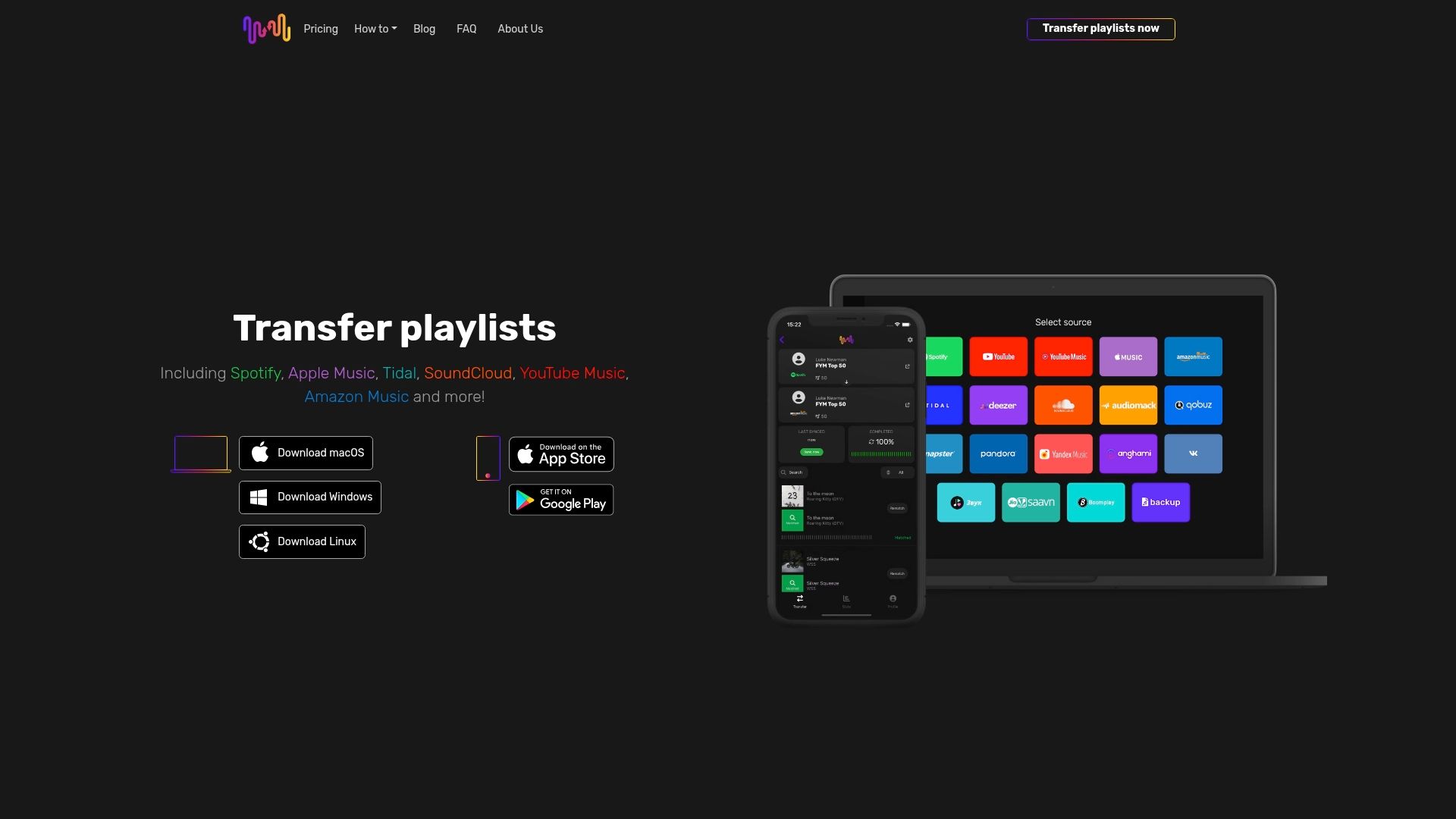
Start protecting your music tastes now by transferring your playlists safely and swiftly. Visit FreeYourMusic.com to get started and take control of your music data the right way.
Frequently Asked Questions
What is music playlist data privacy?
Music playlist data privacy refers to the protection of personal information and listening behaviors linked to an individual's music collection and streaming preferences. It involves understanding how streaming platforms collect and utilize this intimate musical data.
What types of playlist data are there, and how do they differ?
There are three primary types of playlist data: curated playlists, algorithmic playlists, and user-generated playlists. Curated playlists are professionally assembled, algorithmic playlists are generated using user data, and user-generated playlists reflect personal taste and experiences.
How do streaming migration services handle user data during transfers?
Streaming migration services prioritize data privacy by employing anonymization techniques, requiring user consent, and implementing security protocols to protect user information from unauthorized access during playlist transfers.
What legal standards protect my music playlist data?
Legal standards like the General Data Protection Regulation (GDPR) and the California Consumer Privacy Act (CCPA) establish rigorous requirements for user consent, data protection, and transparency, giving users rights to access, modify, or delete their personal information.
Recommended
Your playlists belong to you.
Stop rebuilding by hand. Move everything in minutes and take your music wherever you go.
Download free →SongsBrew — our free music newsletter
A free perk for FYM users. Tips, playlists, no spam.