Playlist-Interoperabilität: So verändert sich der Musiktransfer

Der Wechsel von Spotify zu Apple Music oder das Verwalten von Playlists bei mehreren Diensten bedeutete früher oft stundenlange Handarbeit und eine durcheinandergeratene Titelreihenfolge. Für DJs und Musikfans in den USA, denen kreative Kontrolle und Komfort gleichermaßen wichtig sind, kann es zur Daueraufgabe werden, große Musiksammlungen auf jeder Plattform ordentlich zu halten. Heute versprechen Fortschritte bei der Playlist-Interoperabilität einen nahtlosen Weg, Musiksammlungen zu übertragen, zusammenzuführen und zu pflegen. So kannst du dich auf neue Musik und deine Auftritte konzentrieren, statt mühsam Daten einzugeben.
Inhaltsverzeichnis
- Was Playlist-Interoperabilität heute bedeutet
- Die wichtigsten Technologien hinter der Interoperabilität
- So funktioniert der Playlist-Transfer
- Die größten Vorteile für Streaming-Nutzer und DJs
- Datenschutz, Sicherheit und typische Stolperfallen
Das Wichtigste auf einen Blick
| Punkt | Details |
|---|---|
| Playlist-Interoperabilität | Sie ermöglicht es, Playlists und Musikbibliotheken nahtlos zwischen Plattformen zu übertragen – für mehr Komfort und Flexibilität. |
| Technische Grundlage | Metadatenstandards, APIs und semantische Modelle sind entscheidend dafür, dass Informationen und Strukturen beim Transfer korrekt erhalten bleiben. |
| Zeitersparnis | Automatisierte Transfers sparen viel Zeit, besonders für DJs, weil Playlists nicht mehr manuell nachgebaut werden müssen. |
| Datenschutz und Datensicherheit | Nutzer sollten auf sichere Authentifizierung und klare Regeln zum Umgang mit Daten achten, um sensible Informationen aus ihrer Musikbibliothek zu schützen. |
Was Playlist-Interoperabilität heute bedeutet
Playlist-Interoperabilität klingt technisch, doch im Kern geht es um Freiheit. Sie bedeutet, dass deine Playlists, gespeicherten Titel und dein Hörverlauf zwischen Musikstreaming-Plattformen wechseln können, ohne an einen einzigen Dienst gebunden zu sein. Heute geht dieses Konzept weit über das Übertragen von Dateien hinaus: Es umfasst den nahtlosen Umzug deiner gesamten Musikbibliothek von einem Ökosystem in ein anderes.
Im Kern beruht Interoperabilität auf gemeinsamen Formaten und Standards, mit denen verschiedene Plattformen miteinander kommunizieren und Daten zuverlässig austauschen können. In der Musikwelt heißt das: Aus Spotify-Playlists können Apple-Music-Bibliotheken werden, Sammlungen von YouTube Music können zu Tidal umziehen, und alle Metadaten – Titelreihenfolge, Beschreibungen und Erstellungsdaten – bleiben während des Transfers erhalten.
Für Musikfans und DJs, die Tausende Songs verwalten, ist das enorm wichtig. Du musst dich nicht mehr zwischen deinem bevorzugten Streamingdienst und deiner sorgfältig organisierten Musiksammlung entscheiden. Statt Playlists auf jeder Plattform manuell neu anzulegen, kannst du erfahren, wie ein nahtloser Playlist-Transfer funktioniert. So wählst du deinen Dienst nach Klangqualität, Funktionen oder Preis aus, ohne deine mühsam zusammengestellten Playlists aufzugeben.
Der heutige Stand der Playlist-Interoperabilität zeigt, dass sie durch gemeinsame Standards und das Zusammenspiel technischer, semantischer und organisatorischer Ebenen entsteht. Streamingplattformen erkennen zunehmend, dass starre Datensilos das Nutzererlebnis beeinträchtigen und den Wettbewerb einschränken. Dieser Wandel hat den Weg für Tools und Dienste geebnet, die gezielt Verbindungen zwischen Plattformen schaffen und deine Musikbibliothek wirklich übertragbar machen.
Der entscheidende Unterschied zu vor fünf Jahren liegt in den ausgefeilteren Zuordnungsalgorithmen. Dienste können denselben Song heute in verschiedenen Datenbanken zuverlässig erkennen, regionale Unterschiede bei der Verfügbarkeit berücksichtigen und die Playlist-Struktur auch dann bewahren, wenn einzelne Songs auf der Zielplattform fehlen. Deine sorgfältig zusammengestellten DJ-Sets oder Workout-Mixe bleiben nach dem Transfer nutzbar.
Profi-Tipp: Prüfe bei der Auswahl eines Transferdienstes, ob er deinen jeweiligen Playlist-Typ unterstützt: Gemeinsame Playlists, intelligente Playlists und private Sammlungen stellen unterschiedliche Anforderungen an die Übertragung.
Die wichtigsten Technologien hinter der Interoperabilität
Hinter jedem erfolgreichen Playlist-Transfer steckt ein Zusammenspiel verschiedener Technologien. Diese Werkzeuge stehen selten im Rampenlicht des Marketings, sind aber entscheidend dafür, dass deine Musikbibliothek zwischen Plattformen umziehen kann. Wer die technischen Grundlagen der Interoperabilität versteht, erkennt auch, warum manche Dienste Transfers besser bewältigen als andere.

Die Grundlage bilden Metadatenstandards und -schemata. Wenn du eine Playlist von Spotify zu Apple Music überträgst, muss das System Informationen zu jedem Titel, Künstler und Album sowie deine eigenen Notizen lesen und in das passende Format übersetzen. Metadatenschemata und sogenannte Crosswalk-Verzeichnisse übernehmen diese Übersetzung, indem sie Datenformate dynamisch umwandeln. So können unterschiedliche Systeme ohne Informationsverlust miteinander kommunizieren. Stell dir das wie einen universellen Übersetzer für Musikdaten vor.
APIs bilden die Brücke zwischen den Plattformen. Über diese Programmierschnittstellen tauschen Streamingdienste Daten in strukturierten Formaten aus, die beide Seiten verstehen. Statt zu erraten, was eine andere Plattform unter einem „gespeicherten Titel“ oder dem „Erstellungsdatum einer Playlist“ versteht, legen APIs klare Regeln dafür fest, wie Informationen übertragen werden und was sie bedeuten.
Semantische Datenaustauschmodelle sorgen dafür, dass bei der Übertragung auch die Bedeutung der Daten erhalten bleibt. Ein auf Spotify als „explicit“ gekennzeichneter Song behält diese Kennzeichnung auf Tidal. Playlist-Beschreibungen bleiben lesbar und die Reihenfolge erhalten. Ohne semantische Interoperabilität bekämst du nur eine Sammlung von Songtiteln ohne Zusammenhang.
Besonders für DJs ist strukturelle Integrität entscheidend. Die Reihenfolge deiner Playlist, Gruppierungen nach Tempo oder Stimmung und sorgfältig arrangierte Titelfolgen dürfen beim Transfer nicht durcheinandergeraten. Moderne Interoperabilitäts-Frameworks nutzen Referenzmodelle und Standards, um diese Struktur automatisch zu bewahren. So bleibt die Abfolge deines Mixes beim Umzug erhalten.
Diese Technologien arbeiten unauffällig im Hintergrund. Du siehst weder die Umwandlung der Schemata noch die API-Aufrufe. Doch genau sie entscheiden darüber, ob ein Transfer gelingt oder im Datenchaos endet.
Hier siehst du die Technologien und ihre Aufgaben bei der Playlist-Interoperabilität im Vergleich:
| Technologie | Hauptaufgabe | Einfluss auf die Übertragungsgenauigkeit |
|---|---|---|
| Metadatenschemata | Titelinformationen zwischen Plattformen übersetzen | Bewahren Songdetails und Reihenfolge |
| APIs | Sicheren Datenaustausch ermöglichen | Sorgen für zuverlässige Übertragungen in Echtzeit |
| Semantische Modelle | Kontext und Bedeutung der Songdaten erhalten | Bewahren Explicit-Kennzeichnungen und Struktur |
| Strukturelle Referenzmodelle | Die Playlist-Struktur bewahren | Erhalten Reihenfolge und Gruppierung von DJ-Sets |
Profi-Tipp: Achte auf Transferdienste, die ausdrücklich eine API-Anbindung an deine Zielplattform nennen. Das deutet darauf hin, dass sie eine Synchronisierung in Echtzeit statt nur einmaliger Exporte unterstützen.
So funktioniert der Playlist-Transfer
Ein Playlist-Transfer klingt in der Theorie einfach, umfasst im Hintergrund aber mehrere aufeinander abgestimmte Schritte. Wenn du eine Übertragung startest, kopiert das System deine Daten nicht einfach nur. Es identifiziert Titel, findet passende Entsprechungen und prüft das Ergebnis, damit deine Musik vollständig auf der anderen Seite ankommt.
Der Prozess beginnt mit Authentifizierung und Datenzugriff. Du erlaubst dem Transferdienst, deine Playlists, gespeicherten Titel und Metadaten von der Ausgangsplattform zu lesen. Das geschieht über sichere API-Verbindungen, bei denen dein Passwort nicht offengelegt wird. Anschließend exportiert der Dienst deine Playlist-Daten in ein standardisiertes Format, das jede Plattform lesen kann.
Danach folgt die entscheidende Zuordnungsphase. Deine Spotify-Playlist enthält Songtitel und Künstlernamen, doch Apple Music führt denselben Titel möglicherweise anders in seiner Datenbank. Das System schickt jeden Song durch einen Zuordnungsalgorithmus, der auf der Zielplattform nach einer Entsprechung sucht. Dafür nutzt er mehrere Angaben: Künstlername, Songtitel, Albuminformationen und Spieldauer. Findet er einen passenden Treffer, wird der Song der Version auf der Zielplattform zugeordnet.
Wenn du verstehst, wie die Playlist-Konvertierung funktioniert, wird auch klar, warum einzelne Songs gelegentlich nicht übertragen werden. Ist ein Titel in deiner Zielregion nicht verfügbar oder wurde er entfernt, markiert ihn das System, statt eine falsche Zuordnung zu erzwingen. Am Ende erhältst du eine vollständige Übersicht darüber, was übertragen wurde und was nicht.
Anschließend erstellt das System deine Playlist auf der Zielplattform neu. Dabei bleiben die ursprüngliche Reihenfolge, Beschreibungen und Mitwirkenden erhalten, sofern die Plattform dies unterstützt. Eine automatische Überprüfung bestätigt den erfolgreichen Transfer und zeigt Titel an, die du manuell prüfen musst.
Für DJs, die mit Tausenden Titeln in mehreren Playlists arbeiten, kann dieser gesamte Prozess in wenigen Minuten erledigt sein und stundenlange Handarbeit ersetzen. Die eigentliche Herausforderung liegt in den Sonderfällen: doppelte Titel mit unterschiedlichen Metadaten, regionalen Veröffentlichungen und Remixen mit identischen Titeln, aber unterschiedlichen Künstlern.
Profi-Tipp: Übertrage zuerst deine größten Playlists und prüfe die Genauigkeit, bevor du Hunderte kleinere Playlists umziehst. So erkennst du systematische Zuordnungsprobleme frühzeitig.
Die größten Vorteile für Streaming-Nutzer und DJs
Playlist-Interoperabilität verändert, wie Musikfans und DJs mit ihren Sammlungen arbeiten. Du bist nicht mehr an eine Plattform gebunden und musst beim Wechsel des Dienstes nicht deine gesamte Bibliothek neu aufbauen. Die Freiheit, deine Musiksammlung mitzunehmen, bringt konkrete Vorteile, die über reinen Komfort hinausgehen.
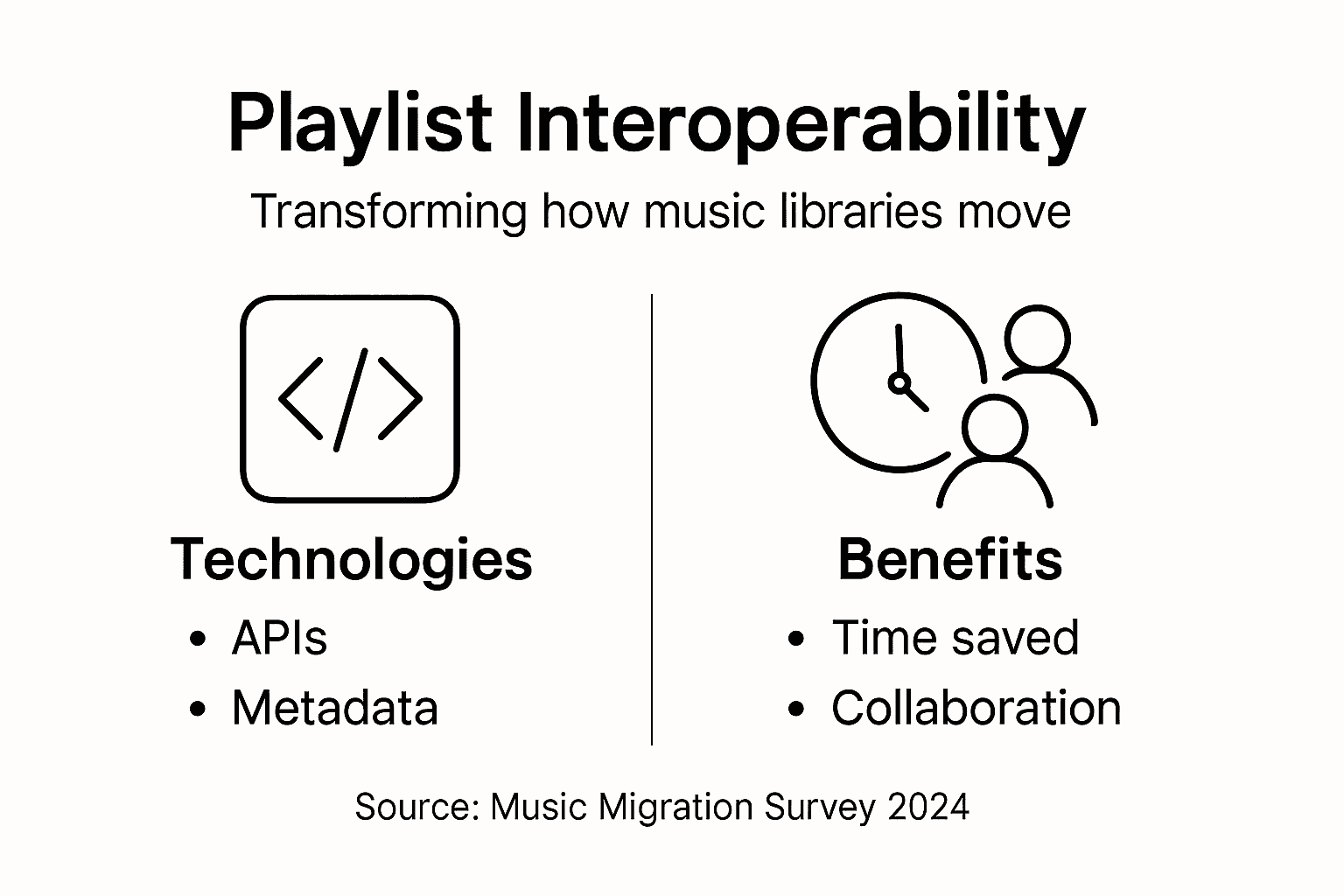
Der größte Gewinn ist mehr Zeit für dich. Du verbringst keine Stunden mehr damit, Playlists auf verschiedenen Plattformen manuell nachzubauen. Dieser Aufwand entfällt komplett. Statt jeden Titel auf deiner neuen Plattform einzeln zu suchen, überträgt ein einziger automatisierter Vorgang Tausende Songs in wenigen Minuten. Für DJs mit Hunderten sorgfältig organisierten Sets ist diese Zeitersparnis enorm.
Kreative Zusammenarbeit wird reibungslos. Gemeinsame Playlists ermöglichen es Streaming-Nutzern und DJs, plattformübergreifend und zeitversetzt Musik zusammenzustellen und sich darüber auszutauschen. Du kannst mit anderen DJs aus der Ferne zusammenarbeiten, ohne dir Gedanken darüber zu machen, welchen Streamingdienst sie nutzen. Erstellt gemeinsam Playlists, gebt euch Feedback in Echtzeit und haltet alles über verschiedene Standorte hinweg synchron. Deine Mitwirkenden können ohne technische Hürden einsteigen.
Ein Plattformwechsel wird plötzlich zu einer echten Option. Du bist nicht länger an einen Dienst gebunden, weil deine gesamte Musikbibliothek dort feststeckt. Du möchtest die bessere Klangqualität von Apple Music ausprobieren? Nur zu. Entdecke verlustfreies Audio bei Tidal, ohne deine sorgfältig organisierten Sammlungen aufzugeben. Musikstreamingdienste bieten inzwischen direkten Zugriff auf riesige Bibliotheken innerhalb von DJ-Software. Das eröffnet deutlich mehr Flexibilität beim Auflegen und beim Entdecken neuer Musik.
DJs können neue Wege der Musiksuche direkt nutzen. Du bist nicht auf den Algorithmus oder das Empfehlungssystem einer einzelnen Plattform beschränkt. Erweitere deinen Sound mit redaktionell zusammengestellten Playlists und personalisierten Vorschlägen verschiedener Streamingdienste und führe alles anschließend in übertragbaren Playlists zusammen.
Auch Kosten lassen sich leichter optimieren. Du kannst zu Diensten mit günstigeren Preisen, Studierendenrabatten oder regionalen Angeboten wechseln, ohne die Arbeit zu verlieren, die du in deine Musikbibliothek gesteckt hast. Deine Playlists begleiten dich dorthin, wo du das beste Preis-Leistungs-Verhältnis bekommst.
Diese Vorteile bietet Playlist-Interoperabilität verschiedenen Nutzergruppen:
| Vorteil | Streaming-Nutzer | DJs |
|---|---|---|
| Zeitersparnis | Viele Playlists auf einmal schnell übertragen | Große Set-Sammlungen zügig verwalten |
| Kreative Zusammenarbeit | Playlists einfach teilen | DJ-Sets aus der Ferne gemeinsam zusammenstellen |
| Plattformflexibilität | Für neue Funktionen den Dienst wechseln | Auf beste Klangqualität zugreifen |
| Kostenoptimierung | Rabatte und Angebote nutzen | Die Bindung der Musikbibliothek an einen Dienst verringern |
Profi-Tipp: Übertrage vor einem dauerhaften Plattformwechsel eine kleine Test-Playlist, um Genauigkeit und Kompatibilität zu prüfen. So stellst du sicher, dass deine wichtigsten DJ-Sets fehlerfrei ankommen.
Datenschutz, Sicherheit und typische Stolperfallen
Wenn du einem Playlist-Transferdienst Zugriff auf deine Musikbibliothek gewährst, öffnest du ihm eine Tür zu sensiblen Daten. Dein Hörverlauf, deine Playlists und deine Vorlieben verraten persönliche Informationen, die Schutz verdienen. Wenn du die Sicherheitsaspekte kennst, kannst du fundiert entscheiden, welchen Diensten du vertraust.
Der Zielkonflikt ist real. Durch Interoperabilität müssen weitere Systeme vertrauenswürdig sein. Gleichzeitig kann der breitere Zugriff auf sensible Daten die Sicherheitsrisiken erhöhen. Mehr Verbindungen zwischen Plattformen bedeuten mehr mögliche Einfallstore für Angreifer. Die Lösung ist, Dienste mit starken Authentifizierungsverfahren und Verschlüsselungsstandards zu wählen.
Sichere Authentifizierung ist unverzichtbar. Seriöse Transferdienste verwenden OAuth-Tokens, mit denen du Zugriff erlauben kannst, ohne dein Passwort weiterzugeben. Deine Anmeldedaten gelangen dabei nie auf ihre Server. Fragt ein Dienst direkt nach deinem Passwort, lass die Finger davon. Das ist ein Warnsignal für mangelhafte Sicherheitspraktiken.
Typische Probleme entstehen, wenn Diensten klare Regeln und Kontrollmechanismen fehlen. Unzureichende Datenqualität, fehlende Authentifizierungsprotokolle und mangelhafte Kontrollstrukturen führen zu Fehlern beim Zusammenspiel der Systeme und setzen sie Sicherheitsrisiken aus. Manche Dienste speichern deine Daten länger als nötig oder verschlüsseln Informationen während der Übertragung nicht. Andere erklären nicht klar, was sie nach Abschluss des Transfers mit deinen Playlist-Daten machen.
Auch die Speicherdauer ist entscheidend. Ein vertrauenswürdiger Dienst überträgt deine Playlists und löscht anschließend seine Kopien deiner Daten. Dienste, die deinen Hörverlauf unbegrenzt aufbewahren, schaffen unnötige Angriffsflächen. Prüfe deshalb immer in der Datenschutzerklärung, wie lange deine Informationen gespeichert werden.
Regionale Verfügbarkeit kann ebenfalls zu Zuordnungsfehlern führen. Manche Titel sind wegen Lizenzbeschränkungen in bestimmten Ländern schlicht nicht verfügbar. Schlechte Dienste erzwingen falsche Treffer, statt fehlende Titel zu kennzeichnen. Das Ergebnis sind fehlerhafte Playlists statt einer genauen Dokumentation des Transfers.
Profi-Tipp: Teste einen neuen Dienst zunächst mit einer einzigen kleinen Playlist. Prüfe, ob er sicher mit deinen Daten umgeht, bevor du deine gesamte Bibliothek mit Tausenden Songs überträgst.
Entdecke echte Freiheit durch Playlist-Interoperabilität
Dieser Artikel zeigt, wie frustrierend die Bindung an eine einzelne Streamingplattform sein kann und welche komplexen Herausforderungen beim Übertragen von Playlists zwischen Diensten entstehen. Wenn du beim Wechsel von Spotify zu Apple Music oder von Tidal zu YouTube Music falsche Titelzuordnungen, verlorene Playlist-Strukturen und Sicherheitsbedenken vermeiden möchtest, brauchst du eine Lösung für einen nahtlosen, präzisen Transfer. Bei Playlist-Interoperabilität geht es um mehr als das Verschieben von Songs: Sie bewahrt deine sorgfältig zusammengestellten Musiksammlungen, ohne dass du Stunden mit Handarbeit verschwendest oder Datenverlust riskierst.
FreeYourMusic.com setzt genau hier an: mit einer benutzerfreundlichen, sicheren Möglichkeit, unbegrenzt Playlists zwischen mehreren Plattformen zu übertragen – mit präziser Songzuordnung, erhaltener Titelreihenfolge und Unterstützung für gemeinsame Playlists. Erlebe echte Flexibilität beim Mitnehmen deiner Musik, kombiniert mit Unterstützung für mehrere Konten und automatischer Synchronisierung. So bleibt deine Musikbibliothek erhalten, egal, wo du als Nächstes hörst.
Mach den Umzug deiner Musik zu einem einfachen, schnellen und zuverlässigen Erlebnis.
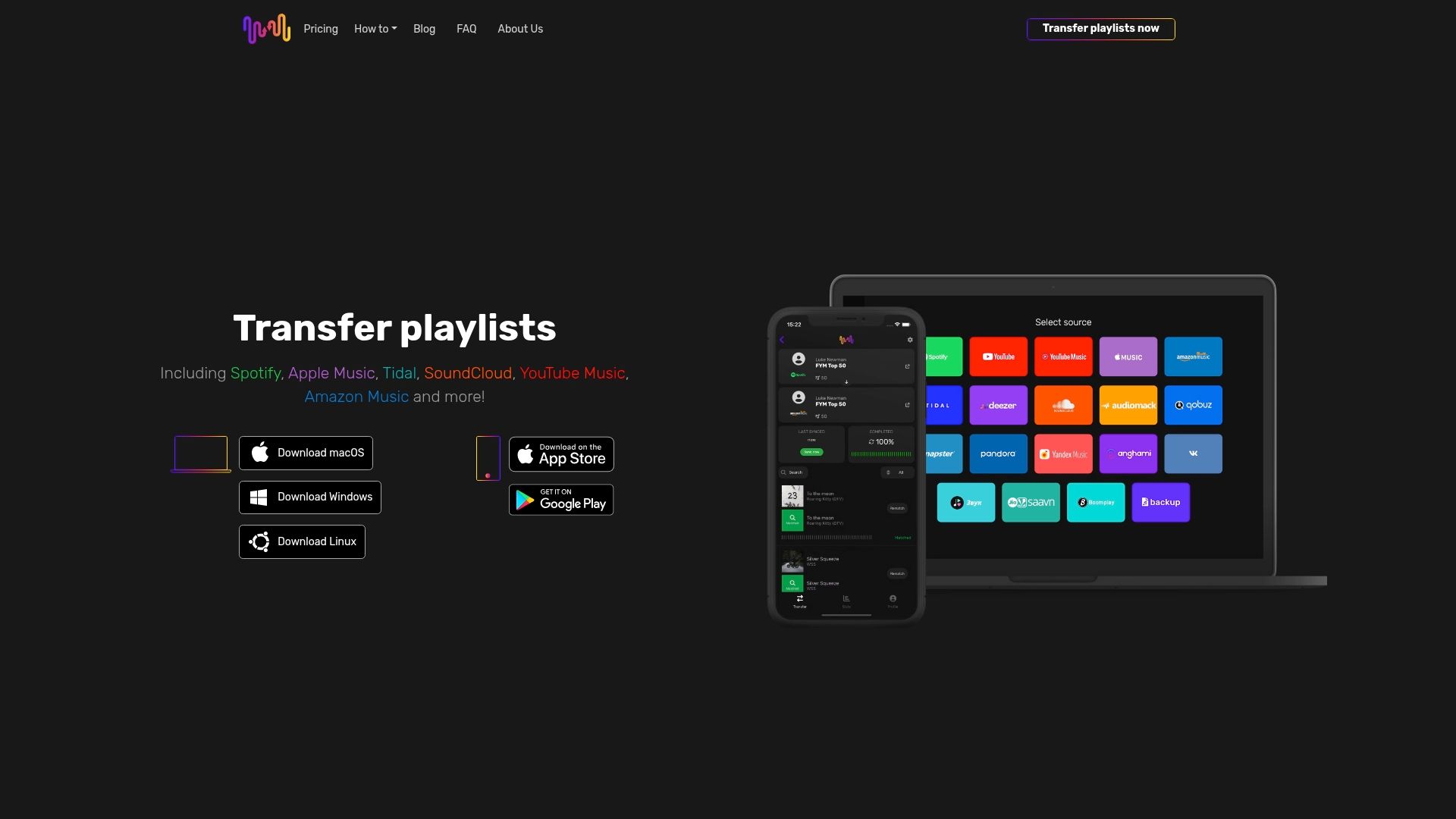
Bereit, die Kontrolle über deine Playlists zu übernehmen und mühelos den Streamingdienst zu wechseln? Besuche jetzt FreeYourMusic.com und starte deinen kostenlosen Transfer. Lass deine Musik nicht länger von einer Plattform festhalten. Entdecke noch heute, wie einfach du dir deine musikalische Freiheit zurückholen kannst – mit fachlich fundierten Interoperabilitätslösungen für Musikfans und Profis gleichermaßen.
Mehr darüber, wie der nahtlose Playlist-Transfer funktioniert und warum er wichtig ist, erfährst du im Leitfaden zum nahtlosen Playlist-Transfer. Wechsle mit einem guten Gefühl – dank bewährter Technologie, die dich auf deinem ganz persönlichen musikalischen Weg begleitet.
Häufig gestellte Fragen
Was ist Playlist-Interoperabilität?
Playlist-Interoperabilität bezeichnet die Möglichkeit, Playlists, gespeicherte Titel und den Hörverlauf nahtlos zwischen verschiedenen Musikstreaming-Plattformen zu übertragen. So können Nutzer ihre Musikbibliothek behalten, ohne an einen einzelnen Dienst gebunden zu sein.
Wie übertrage ich meine Playlists zwischen verschiedenen Musikdiensten?
Du kannst spezialisierte Transferdienste nutzen, die deine vorhandenen Playlists mithilfe von APIs und Metadatenstandards präzise den Titeln auf der Zielplattform zuordnen. Dabei bleiben die Songreihenfolge und die zugehörigen Details während des Umzugs erhalten.
Welche Technologien sind für Playlist-Interoperabilität entscheidend?
Zu den wichtigsten Technologien gehören Metadatenschemata zur Übersetzung von Titelinformationen, APIs für den sicheren Datenaustausch, semantische Modelle zum Erhalt von Kontext und Bedeutung sowie strukturelle Referenzmodelle, die die Organisation der Playlists beim Transfer bewahren.
Welche Vorteile bietet Playlist-Interoperabilität für DJs?
Playlist-Interoperabilität spart DJs Zeit, weil sie große Bibliotheken schnell übertragen können. Sie erleichtert die plattformübergreifende Zusammenarbeit mit anderen DJs und den Wechsel zu Diensten mit besserer Klangqualität. Außerdem verringert sie die Bindung an eine einzelne Plattform und verbessert so den gesamten kreativen Arbeitsablauf.
Empfohlene Artikel
- Free Your Music – Vorteile der Playlist-Migration: Einwilligung und Erklärung
- Free Your Music – Die Vorteile der Playlist-Migration verstehen
- Free Your Music – Vorteile der Playlist-Migration: Einwilligung und Erklärung
- Free Your Music – Was ist nahtloser Playlist-Transfer? Ein vollständiger Überblick
Deine Playlists gehören dir.
Hör auf, von Hand neu aufzubauen. Verschiebe alles in Minuten und nimm deine Musik überallhin mit.
Kostenlos herunterladen →SongsBrew — unser kostenloser Musik-Newsletter
Ein kostenloser Vorteil für FYM-Nutzer. Tipps, Playlists, kein Spam.