Streaming Platform Trends in 2025: What Changes for Users
Moving your massive playlists between platforms can be a real headache for music lovers and DJs who want fast, seamless transitions. With streaming services powered by advanced Artificial Intelligence and Big Data Analytics, transferring and syncing large playlists now means more than just convenience. These technologies support smarter data-driven recommendations and real-time personalization, offering you a truly adaptive experience. Discover how efficient solutions and tech breakthroughs are shaping playlist portability for American, Canadian, and European users seeking complete control over their music libraries.
Table of Contents
- Defining Streaming Platform Trends In 2025
- Emerging Technologies Shaping Music Streaming
- Key Differences Between Leading Services
- Cross-Platform User Experience And Integration
- Playlist Portability, Data Security, And Risks
- Adapting To Licensing And Monetization Changes
Key Takeaways
| Point | Details |
|---|---|
| Integration of AI | Streaming platforms are utilizing Artificial Intelligence for hyper-personalized content recommendations, enhancing user engagement. |
| Cross-Platform Features | Consistent interface designs and seamless device synchronization are now essential for a unified user experience across different platforms. |
| Evolving Licensing Models | Content licensing and monetization are shifting towards hybrid models that emphasize personalized user experiences and fair creator compensation. |
| Data Security Challenges | As playlist portability increases, streaming services face the challenge of ensuring user data security while providing flexible migration options. |
Defining Streaming Platform Trends in 2025
The global streaming landscape in 2025 is experiencing profound transformation driven by technological innovation and changing consumer behaviors. Streaming platforms are increasingly leveraging Big Data Analytics to create more personalized, intelligent entertainment experiences that adapt in real-time to user preferences.
Key trends reshaping the streaming ecosystem include:
- Artificial Intelligence integration for hyper-personalized content recommendations
- Enhanced mobile device optimization
- Data-driven user interface improvements
- Global content library expansion
The convergence of technological capabilities is enabling streaming services to move beyond traditional content delivery toward more interactive, predictive entertainment platforms. Global market dynamics are increasingly dominated by transnational networks that can coordinate massive content libraries while simultaneously supporting local creative ecosystems.
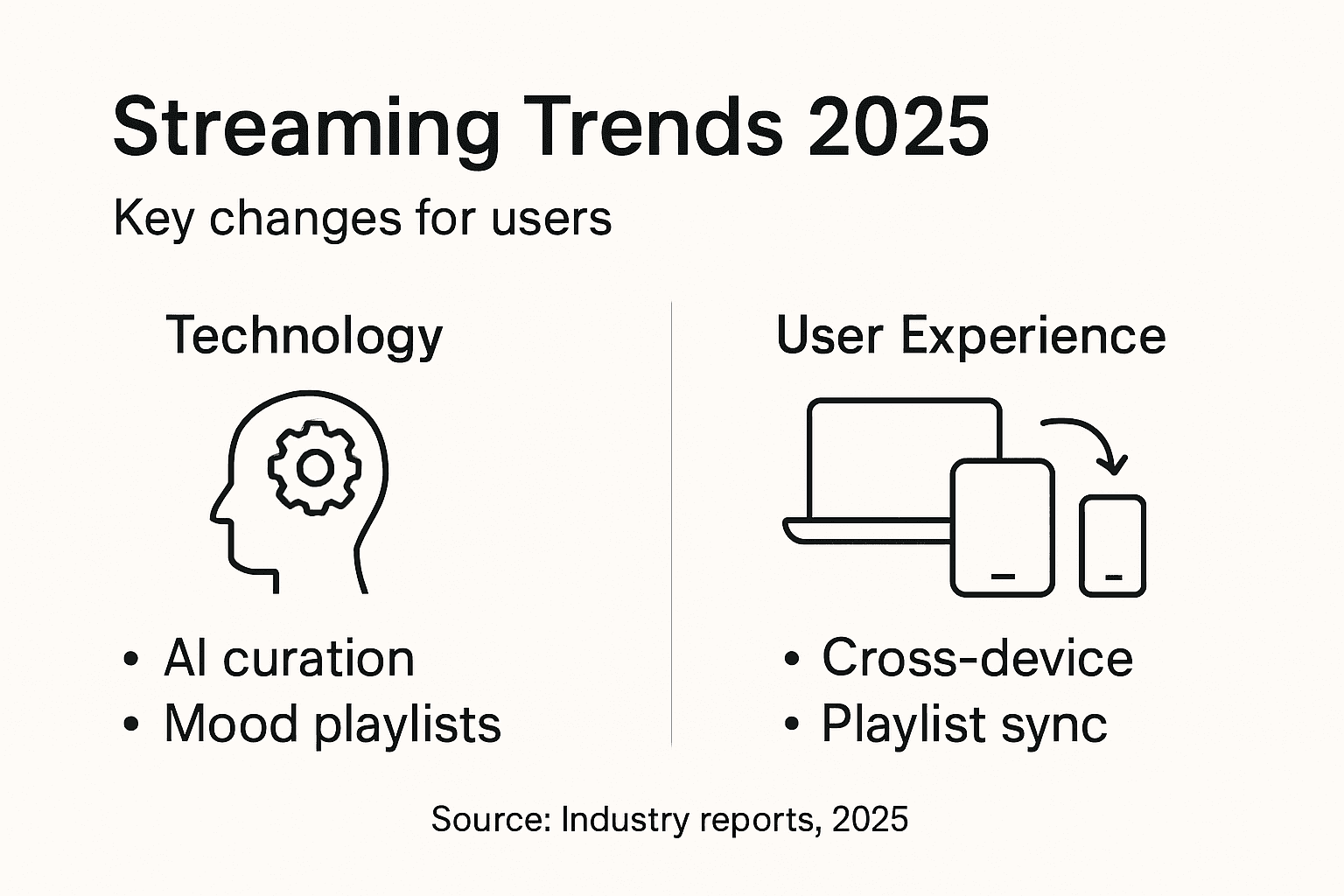
Technological capabilities are transforming user expectations. Streaming platforms now must provide not just content, but intelligent, adaptive experiences that feel uniquely tailored to individual listeners. This means advanced recommendation algorithms, seamless cross-device synchronization, and content that evolves with user taste profiles.
Pro tip: Stay informed about emerging streaming technologies by regularly exploring platform updates and comparing their personalization features.
Emerging Technologies Shaping Music Streaming
Emerging AI technologies are fundamentally transforming the music streaming landscape in 2025. These advanced technologies are reshaping how users discover, consume, and interact with digital music, creating more personalized and immersive experiences.
Key technological innovations driving music streaming evolution include:
- Artificial Intelligence for hyper-personalized playlist curation
- High-resolution audio streaming capabilities
- Augmented and virtual reality music experiences
- Blockchain-enabled direct artist compensation
- Advanced recommendation algorithms
The music streaming sector is experiencing a profound technological renaissance. Streaming 2.0 models are moving beyond traditional content delivery toward interactive, artist-centric platforms that prioritize user engagement and creative ecosystem development.

Technology is enabling more sophisticated user experiences, with platforms now offering intelligent features like mood-based recommendations, cross-device synchronization, and adaptive listening interfaces. These innovations are not just improving user experience but fundamentally reimagining how music is discovered, shared, and enjoyed.
Pro tip: Experiment with multiple streaming platforms to understand how emerging AI technologies personalize your music discovery journey.
Key Differences Between Leading Services
Leading music streaming platforms have evolved dramatically, offering unique value propositions that cater to different listener preferences and technological ecosystems. The competitive landscape has transformed from simple music delivery to sophisticated, personalized entertainment experiences.
Key differentiating factors among top streaming services include:
-
User Base Size
- Spotify: Over 500 million global users
- Apple Music: Integrated Apple ecosystem
- Tidal: Niche audiophile market
-
Audio Quality Offerings
- Lossless audio capabilities
- High-fidelity sound options
- Resolution and bitrate variations
-
Unique Platform Features
- Advanced personalization algorithms
- Device ecosystem integration
- Direct artist compensation models
The streaming market has become increasingly sophisticated, with each platform developing specialized strategies to attract and retain users. Some focus on technological innovation, while others emphasize artist relationships and audio quality as their primary differentiation strategy.
Subscription models have also become more nuanced, with platforms offering tiered experiences that range from basic streaming to premium, high-resolution audio packages. This diversification allows listeners to choose services that precisely match their musical consumption preferences and technical requirements.
Here is a comparison of how leading music streaming services differentiate themselves by key business elements:
| Platform | Audience Focus | Signature Technology | Distinct Monetization |
|---|---|---|---|
| Spotify | Mass global appeal | AI-driven discovery | Subscription tiers, ads |
| Apple Music | Apple device users | Ecosystem integration | Premium, bundled services |
| Tidal | Audiophile, niche fans | Hi-fi lossless streaming | Hi-res premium plans |
Pro tip: Explore multiple streaming platforms' free trials to understand which service best matches your specific listening needs and technological preferences.
Cross-Platform User Experience and Integration
Consistent interface design has become critical in modern music streaming platforms, creating seamless experiences across multiple devices and technological ecosystems. Users now expect smooth transitions between mobile, desktop, and web applications without compromising functionality or visual design.
Key aspects of cross-platform integration include:
-
Device Synchronization
- Seamless playlist transfers
- Real-time listening history tracking
- Consistent user preferences across platforms
-
Interface Standardization
- Uniform color schemes
- Consistent navigation structures
- Responsive design principles
-
Technical Integration Challenges
- Metadata standardization
- Authentication across multiple platforms
- Bandwidth and performance optimization
Linked open data standards are emerging as a crucial solution to address content discovery and integration challenges. These technological approaches enable more sophisticated cross-platform experiences, allowing users to navigate between different streaming services with unprecedented ease.
The future of music streaming lies in creating unified, intelligent ecosystems that transcend individual platform limitations. By focusing on user-centric design and technological interoperability, streaming services are transforming how listeners discover, consume, and share music across diverse digital environments.
Pro tip: Explore streaming platforms that offer robust cross-device synchronization to maximize your music listening flexibility.
Playlist Portability, Data Security, and Risks
Data portability in streaming platforms represents a complex balance between user convenience and potential security vulnerabilities. As music listeners increasingly demand flexibility in transferring playlists across different services, the underlying technological and privacy challenges become more nuanced.
Key considerations for playlist portability include:
-
User Freedom
- Reduced switching costs
- Increased platform competition
- Enhanced personal music library management
-
Security Risks
- Potential unauthorized data access
- Metadata vulnerability
- Cross-platform authentication challenges
-
Regulatory Implications
- Developing negligence standards
- Joint liability frameworks
- User data protection guidelines
The evolving digital ecosystem requires sophisticated approaches to managing user data while maintaining the seamless experience that modern music listeners expect. Streaming platforms must implement robust security protocols that protect sensitive user information without compromising the fundamental value of easy playlist migration.
Effective data protection strategies involve multi-layered security approaches, including encryption, limited data sharing, transparent user consent mechanisms, and continuous monitoring of potential vulnerability points. These comprehensive measures help maintain user trust while enabling the technological flexibility that defines modern music streaming experiences.
Below is a summary of recent security strategies used to protect playlist portability:
| Security Measure | Main Advantage | Limitation |
|---|---|---|
| End-to-end encryption | Strong privacy protection | Can slow data transfers |
| Consent management | User control over data | Complexity for users |
| Metadata masking | Reduces vulnerability risks | May limit playlist features |
| Multi-factor authentication | Prevents unauthorized access | User setup required |
Pro tip: Always review privacy settings and understand data transfer policies before migrating playlists between streaming platforms.
Adapting to Licensing and Monetization Changes
Content licensing strategies in streaming platforms are undergoing significant transformations, reflecting the complex dynamics of digital entertainment markets. The traditional one-size-fits-all approach to music distribution is rapidly evolving into more nuanced, flexible models that prioritize user experience and creator compensation.
Key trends in licensing and monetization include:
-
Hybrid Monetization Models
- Subscription-based tiers
- Ad-supported options
- Flexible pricing strategies
-
Licensing Innovations
- Co-exclusive content deals
- Second-window sales opportunities
- Data-driven content acquisition
-
Creator Compensation Mechanisms
- Transparent revenue sharing
- Performance-based payouts
- Collective licensing frameworks
Fair remuneration for artists remains a critical challenge in the streaming ecosystem. Legal frameworks are increasingly focusing on ensuring equitable compensation, with regulatory bodies pushing for more transparent and balanced monetization practices.
The streaming landscape is becoming more sophisticated, with platforms leveraging advanced analytics to create targeted engagement strategies. This approach allows for more personalized user experiences while simultaneously addressing the complex economic challenges of content distribution and artist compensation.
Pro tip: Stay informed about evolving licensing models and support platforms that prioritize fair artist compensation.
Simplify Your Streaming Transition With Seamless Playlist Migration
The 2025 streaming landscape brings exciting advancements such as playlist portability and cross-platform synchronization, but it also highlights a common challenge: managing your music collections across multiple services can feel overwhelming and risky. Whether you are switching platforms to enjoy new features or seeking better audio quality, losing your carefully curated playlists is a frustrating experience no user wants to face. Keeping playlists intact while navigating changes in licensing, user experience, and data security requires a trusted, easy-to-use solution.
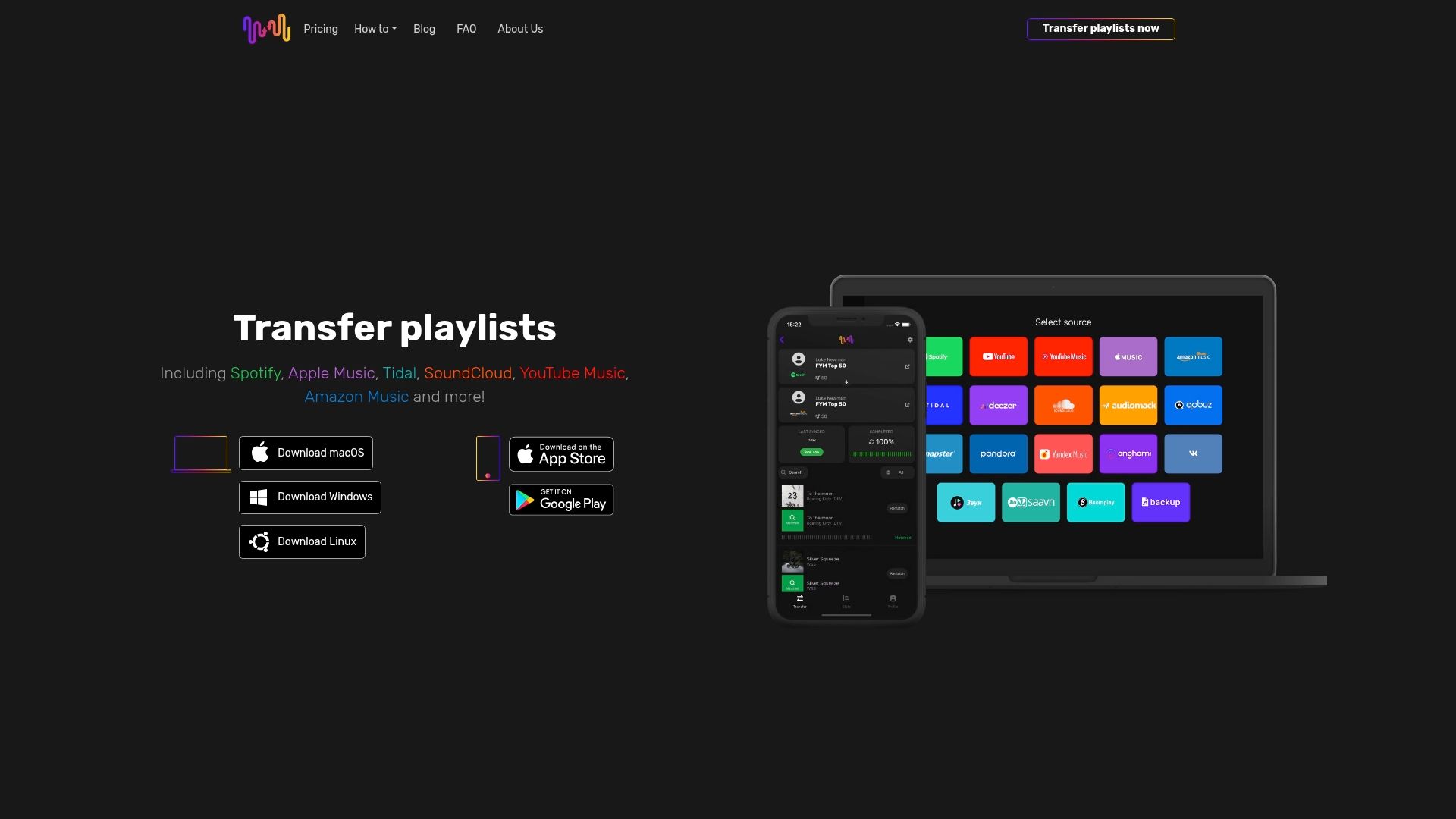
Take control of your music journey by using FreeYourMusic.com, a powerful tool designed to transfer unlimited playlists effortlessly across Spotify, Apple Music, Tidal, and more. Benefit from automated synchronization, cloud backup options, and precise song matching that preserve your unique playlist structure and ordering. Don’t let platform changes interrupt your personalized listening experience. Explore how streaming innovations meet practical solutions — and switch services without stress today by visiting FreeYourMusic.com now.
Frequently Asked Questions
What technological trends are shaping streaming platforms in 2025?
Streaming platforms in 2025 are primarily influenced by advancements in artificial intelligence for personalized content recommendations, enhanced mobile device optimization, and the expansion of global content libraries.
How are user experiences evolving on music streaming platforms?
User experiences on music streaming platforms are becoming more intelligent and adaptive, incorporating features like mood-based recommendations, cross-device synchronization, and advanced recommendation algorithms to align with individual listening preferences.
What should users consider regarding playlist portability and data security?
Users should consider the balance between playlist portability and security risks, such as the potential for unauthorized data access. It's important to review privacy settings and understand data transfer policies before migrating playlists across different platforms.
How are streaming platforms adapting their licensing and monetization strategies?
Streaming platforms are shifting towards hybrid monetization models that combine subscription-based tiers and ad-supported options, while also implementing innovative licensing strategies to ensure fair compensation for artists and enhance user experience.
Recommended

Your playlists belong to you.
Stop rebuilding by hand. Move everything in minutes and take your music wherever you go.
Download free →SongsBrew — our free music newsletter
A free perk for FYM users. Tips, playlists, no spam.