7 belangrijke trends die de toekomst van playlistmigratie in 2025 bepalen

Bijna een op de drie Amerikaanse muziekliefhebbers zal in 2025 van streamingdienst wisselen, terwijl digitale muziekcollecties blijven groeien. De behoefte om playlists soepel over te zetten is groter dan ooit. Daardoor groeit de vraag naar slimmere, snellere oplossingen die elk nummer en elk detail van een playlist behouden. Ontdek hoe geavanceerde tools het muziekbeheer veranderen, zodat elke Amerikaanse muziekliefhebber zijn persoonlijke soundtracks veilig, compleet en op elk platform afspeelbaar kan houden.
Inhoudsopgave
- 1. Wat gebruikers in 2025 nodig hebben bij playlistmigratie
- 2. Geavanceerde tools voor synchronisatie tussen platforms ontdekken
- 3. Playlists veiligstellen met een back-up in de cloud
- 4. Nummers zo nauwkeurig mogelijk herkennen
- 5. De structuur en volgorde van playlists behouden
- 6. Automatische synchronisatie en meerdere accounts benutten
- 7. Gegevensbeveiliging vooropstellen bij het overzetten
Belangrijkste inzichten
| Belangrijk inzicht | Uitleg |
|---|---|
| 1. Slimme migratietools zijn onmisbaar | Gebruikers hebben slimme tools nodig die automatisch dezelfde nummers op verschillende platforms vinden en playlists intact houden tijdens het overzetten. |
| 2. Maak vóór de migratie een back-up van je playlists | Maak altijd een back-up van je oorspronkelijke playlists om je te beschermen tegen mogelijk gegevensverlies tijdens de migratie. |
| 3. Behoud de structuur en opbouw van playlists | Zorg dat de volgorde en emotionele verhaallijn van playlists tijdens de migratie behouden blijven, zodat de luisterervaring intact blijft. |
| 4. Gebruik clouddiensten voor back-ups | Kies moderne oplossingen voor back-ups in de cloud die playlists automatisch synchroniseren en muziekbibliotheken beschermen tegen gegevensverlies. |
| 5. Geef gegevensbeveiliging prioriteit bij het overzetten | Gebruik sterke beveiligingsprotocollen tijdens migraties om risico's voor persoonlijke muziekgegevens en voorkeuren te beperken. |
1. Wat gebruikers in 2025 nodig hebben bij playlistmigratie
Muziekliefhebbers zoeken steeds vaker flexibele oplossingen om hun digitale muziekcollecties op meerdere streamingplatforms te beheren. Terwijl streamingdiensten zich blijven ontwikkelen, hebben gebruikers geavanceerde tools nodig waarmee ze hun zorgvuldig samengestelde playlists soepel kunnen overzetten en behouden, zonder hun favoriete nummers kwijt te raken.
De grootste uitdaging bij playlistmigratie is dat de manieren waarop we digitale muziek tussen platforms verplaatsen voortdurend veranderen. Daarvoor zijn complete oplossingen nodig die gebruikersvoorkeuren begrijpen en playlists intact houden. Het gaat dus om meer dan nummers van het ene naar het andere platform verplaatsen: ook de unieke volgorde, sfeer en persoonlijke band met de muziekcollectie moeten behouden blijven.
In 2025 verwachten gebruikers meer van playlistmigratie dan alleen een eenvoudige overdracht. Ze willen intelligente systemen die:
• Automatisch dezelfde nummers op verschillende streamingplatforms vinden
• De oorspronkelijke volgorde van playlists behouden
• Complexe muziekbibliotheken met meerdere genres aankunnen
• Handmatig werk tijdens het overzetten tot een minimum beperken
De technologie ontwikkelt zich richting migratietools die de gebruiker centraal stellen en erkennen dat muziek een heel persoonlijke ervaring is. Streamingplatforms werken steeds meer aan onderlinge compatibiliteit, vanuit het besef dat keuzevrijheid en flexibiliteit voor gebruikers vooropstaan.
Praktische tip: Maak altijd een back-up van je oorspronkelijke playlist voordat je een migratie start. Zo heb je een vangnet voor je muzikale herinneringen.
2. Geavanceerde tools voor synchronisatie tussen platforms ontdekken
Nu muziekstreaming steeds meer over verschillende diensten verspreid raakt, hebben gebruikers geavanceerde tools nodig om playlists soepel tussen platforms over te zetten. Moderne tools voor synchronisatie tussen platforms bieden een belangrijke oplossing voor muziekliefhebbers die flexibel van hun digitale muziek willen genieten.
Deze innovatieve tools veranderen de manier waarop gebruikers hun muziekbibliotheken beheren dankzij uitgebreide synchronisatiemogelijkheden. Met technologie voor synchronisatie tussen platforms kun je playlists nu moeiteloos overzetten tussen diensten zoals Spotify, Apple Music en YouTube Music, zonder dat de structuur verandert of nummers verloren gaan.
Belangrijke functies van geavanceerde synchronisatietools zijn:
• Automatische herkenning van dezelfde nummers op verschillende streamingplatforms
• Behoud van de playlistvolgorde en metadata
• Meerdere playlists tegelijk overzetten
• Slimme vervanging van niet-beschikbare nummers
• Back-up- en herstelmogelijkheden via de cloud
De technologie achter deze tools gebruikt complexe algoritmen die overeenkomstige nummers op verschillende streamingdiensten kunnen herkennen. Zo kunnen je zorgvuldig samengestelde playlists met je meeverhuizen, welk platform je ook kiest.
Praktische tip: Controleer je playlist altijd na de migratie en bewaar een back-up van het origineel, zodat er tijdens het overzetten niet onbedoeld muziek verloren gaat.
3. Playlists veiligstellen met een back-up in de cloud
In de wereld van digitale muziek is het belangrijker dan ooit om je zorgvuldig samengestelde playlists te beschermen. Back-ups in de cloud bieden muziekliefhebbers een betrouwbare manier om hun volledige muziekbibliotheek te beschermen tegen mogelijk verlies of onverwachte technische storingen.
Moderne clouddiensten voor back-ups bieden inmiddels uitgebreide bescherming voor digitale muziekcollecties. Deze geavanceerde platforms gaan verder dan eenvoudige opslag: ze gebruiken slimme back-upmechanismen die playlistmetadata, nummerinformatie en gebruikersvoorkeuren bewaren.
Belangrijke voordelen van back-ups in de cloud voor muziekbibliotheken zijn:
• Automatische synchronisatie van de inhoud van playlists
• Bescherming tegen apparaatstoringen
• Eenvoudige herstelmogelijkheden
• Veilige opslag op meerdere platforms
• Verwijderde of gewijzigde playlists gemakkelijk terughalen
Gebruikers kunnen nu betrouwbare back-upstrategieën toepassen om hun muzikale herinneringen intact te houden. Door clouddiensten te kiezen met functies speciaal voor muziekbibliotheken, kun je je digitale muziekcollecties op meerdere manieren beschermen.
De doeltreffendste back-upstrategieën beginnen bij diensten die de specifieke behoeften van muziekbibliotheken begrijpen. Zoek daarom naar oplossingen die complexe metadata aankunnen, verschillende indelingen van streamingplatforms ondersteunen en snel herstel mogelijk maken.
Praktische tip: Plan wekelijks automatische back-ups en gebruik minstens twee afzonderlijke opslaglocaties in de cloud om je muziekbibliotheek zo goed mogelijk te beschermen.
4. Nummers zo nauwkeurig mogelijk herkennen
Muziekliefhebbers weten hoe frustrerend het is om zorgvuldig samengestelde playlists kwijt te raken bij een overstap naar een ander platform. Nummers zo nauwkeurig mogelijk herkennen is een belangrijke technologische uitdaging geworden in de veranderende wereld van digitale muziek.
Metadata-analyse met AI verandert ingrijpend hoe muziekplatforms nummers herkennen en tussen streamingdiensten overzetten. Door kenmerken van nummers slim te vergelijken, kunnen deze geavanceerde algoritmen het handmatige zoekwerk terugbrengen van weken naar slechts enkele minuten.
Belangrijke manieren om nummers beter te herkennen zijn:
• Geavanceerde technologie voor metadataherkenning gebruiken
• Naast de titel meerdere identificatiekenmerken van nummers analyseren
• Technieken voor akoestische vingerafdrukken benutten
• Algoritmen voor nummerherkenning op basis van machine learning inzetten
• Gegevens uit meerdere muziekdatabases vergelijken
De doeltreffendste herkenningssystemen vergelijken meer dan alleen titels. Ze beoordelen complexe kenmerken zoals akoestische vingerafdrukken, opnamekwaliteit, uitvoeringskenmerken van de artiest en subtiele verschillen tussen opnamen.
Gebruikers kunnen de herkenning verbeteren door te zorgen voor volledige metadata in hun muziekbibliotheek en platforms te gebruiken met krachtige AI voor nummerherkenning.
Praktische tip: Houd de metadata in je muziekbibliotheek altijd correct en consistent. Dat verbetert de nauwkeurigheid van automatische nummerherkenning tijdens playlistmigraties aanzienlijk.
5. De structuur en volgorde van playlists behouden
Muziekliefhebbers weten dat een playlist meer is dan een verzameling nummers. Elke playlist vertelt een eigen verhaal door de zorgvuldig gekozen volgorde en de manier waarop de nummers op elkaar aansluiten.
Onderzoek naar de samenhang van playlists laat zien dat de volgorde van nummers veel invloed heeft op het luisterplezier en de luisterervaring. Bij playlistmigratie is het essentieel om de oorspronkelijke structuur te behouden, zodat de bewust opgebouwde emotionele reis en verhaallijn intact blijven.
Belangrijke manieren om playlists intact te houden zijn:
• De oorspronkelijke nummervolgorde behouden
• De bedoelde muzikale overgangen respecteren
• De door de gebruiker gekozen volgorde beschermen
• Rekening houden met de opbouw in genre en sfeer
• Automatische vervanging van nummers tot een minimum beperken
Moderne technologie voor playlistmigratie houdt er rekening mee dat elke playlist een persoonlijke muzikale reis vertegenwoordigt. Geavanceerde platforms bieden nu gedetailleerde instellingen waarmee gebruikers de exacte nummervolgorde op verschillende streamingdiensten kunnen behouden.
Luisteraars doen er goed aan migratietools te kiezen die aandacht besteden aan de subtiele emotionele opbouw van hun muziekcollecties.
Praktische tip: Bekijk vóór het migreren van een playlist altijd de voorgestelde nummervolgorde. Zet nummers die verkeerd staan handmatig op de juiste plek, zodat je oorspronkelijke muzikale verhaal intact blijft.
6. Automatische synchronisatie en meerdere accounts benutten
Moderne muziekstreaming vraagt om flexibele oplossingen die aansluiten op de complexe digitale muziekomgeving van gebruikers. Automatische synchronisatie en ondersteuning voor meerdere accounts bieden een vernieuwende manier om playlists op verschillende platforms en persoonlijke accounts te beheren.
Geavanceerde technologie voor muziekmigratie houdt er nu rekening mee dat gebruikers vaak meerdere streamingaccounts voor verschillende doeleinden hebben. Of je nu als muziekprofessional zakelijke en persoonlijke bibliotheken beheert of als liefhebber verschillende platforms verkent: synchronisatie tussen meerdere accounts biedt ongekende flexibiliteit.
Belangrijke voordelen van automatische synchronisatie en ondersteuning voor meerdere accounts zijn:
• Playlists soepel overzetten tussen persoonlijke accounts
• Automatische updates op verschillende streamingplatforms
• Behoud van de unieke kenmerken van playlists
• Minder tijd kwijt aan handmatig beheer
• Je muziekbibliotheek gemakkelijker meenemen naar andere diensten
Met deze geavanceerde tools kunnen gebruikers hun muziek uitgebreid beheren, ook over de gebruikelijke grenzen van platforms heen. Zo kunnen ze een consistente luisterervaring behouden, welke streamingdienst ze ook kiezen.
Om automatische synchronisatie te gebruiken, kies je platforms die goed met andere diensten samenwerken en de specifieke behoeften van moderne muziekluisteraars begrijpen.
Praktische tip: Stel automatische synchronisatie zo in dat er regelmatig back-ups van je playlists worden gemaakt. Zo heb je altijd een recente momentopname van je muziekcollectie.
7. Gegevensbeveiliging vooropstellen bij het overzetten
In een tijd waarin we muziek digitaal beluisteren, is de bescherming van persoonlijke playlistgegevens essentieel geworden. Muziekliefhebbers moeten erop letten dat hun muziekcollecties veilig blijven wanneer ze naar een ander platform overstappen.
Gegevensbeveiliging bij het overzetten van playlists omvat meerdere beschermingslagen voor gebruikersgegevens, muziekvoorkeuren en luistergeschiedenis. Geavanceerde migratieplatforms gebruiken nu sterke versleutelingsprotocollen om de digitale privacy uitgebreid te beschermen.
Belangrijke maatregelen voor gegevensbeveiliging zijn:
• End-to-endversleuteling toepassen
• Veilige authenticatieprotocollen gebruiken
• Toegangsrechten voor gegevens beperken
• Persoonlijke metadata over luistergedrag anonimiseren
• Tweefactorauthenticatie inschakelen
Gebruikers moeten zorgvuldig beoordelen hoe migratietools hun persoonlijke muziekgegevens beschermen. Daarbij is het belangrijk te begrijpen hoe platforms omgaan met gegevensopslag, overdracht en eventuele toegang door derden.
Door platforms te kiezen met een transparant privacybeleid en sterke beveiligingsmaatregelen, kun je de risico's van het migreren van je digitale muziekbibliotheek aanzienlijk verkleinen.
Praktische tip: Lees altijd het beleid van een platform over gegevensverwerking en kies diensten die duidelijk en volledig uitleggen hoe ze je gegevens beveiligen.
Hieronder vind je een uitgebreide tabel met de belangrijkste concepten, strategieën en tools uit het artikel "Wat gebruikers in 2025 nodig hebben bij playlistmigratie".
| Aspect | Beschrijving | Belangrijkste functies/voordelen |
|---|---|---|
| Slimme playlistmigratie | Verbetert het overzetten van muziek tussen diensten met behoud van playlistkenmerken. | Automatische nummerherkenning, ondersteuning voor verschillende genres, minder handmatig werk. |
| Geavanceerde tools voor synchronisatie tussen platforms | Maakt moeiteloze synchronisatie van muziek tussen verschillende streamingdiensten mogelijk. | Meerdere playlists tegelijk overzetten, behoud van metadata, back-ups in de cloud. |
| Back-ups in de cloud ter bescherming | Beschermt playlists en muziekbibliotheken tegen gegevensverlies. | Automatische synchronisatie, veilige opslag, eenvoudig herstel. |
| Nauwkeurige nummerherkenning | Zorgt voor nauwkeurige herkenning en vervanging van nummers op verschillende diensten. | Metadata-analyse, akoestische vingerafdrukken, machine learning. |
| Behoud van de playliststructuur | Behoudt de oorspronkelijke volgorde en verhalende opbouw van playlists tijdens de migratie. | Behoud van overgangen, ruimte voor handmatige aanpassingen. |
| Automatische synchronisatie en ondersteuning voor meerdere accounts | Ondersteunt synchronisatie tussen accounts op verschillende platforms en regelmatige updates. | Muziek gemakkelijker meenemen, automatische updates, minder handmatig werk. |
| Gegevensbeveiliging tijdens het overzetten | Beschermt gebruikersgegevens en muziekvoorkeuren tijdens gegevensmigratie. | Versleuteling, authenticatieprotocollen, privacybescherming. |
Neem de regie over je playlistmigratie
Dit artikel belicht belangrijke uitdagingen bij het overzetten van muziek tussen streamingplatforms, zoals het behouden van de playlistvolgorde, nauwkeurige nummerherkenning en veilige back-ups in de cloud. Wil je voorkomen dat je persoonlijke muzikale verhalen verloren gaan of dat je tijdens de migratie veel frustrerend handwerk moet doen? FreeYourMusic.com biedt een betrouwbare oplossing die aansluit op de veranderende behoeften rond playlists in 2025. Met geavanceerde functies zoals automatische synchronisatie, ondersteuning voor meerdere accounts en moeiteloos behoud van de playliststructuur kun je je muziekbibliotheek met een gerust hart beschermen.
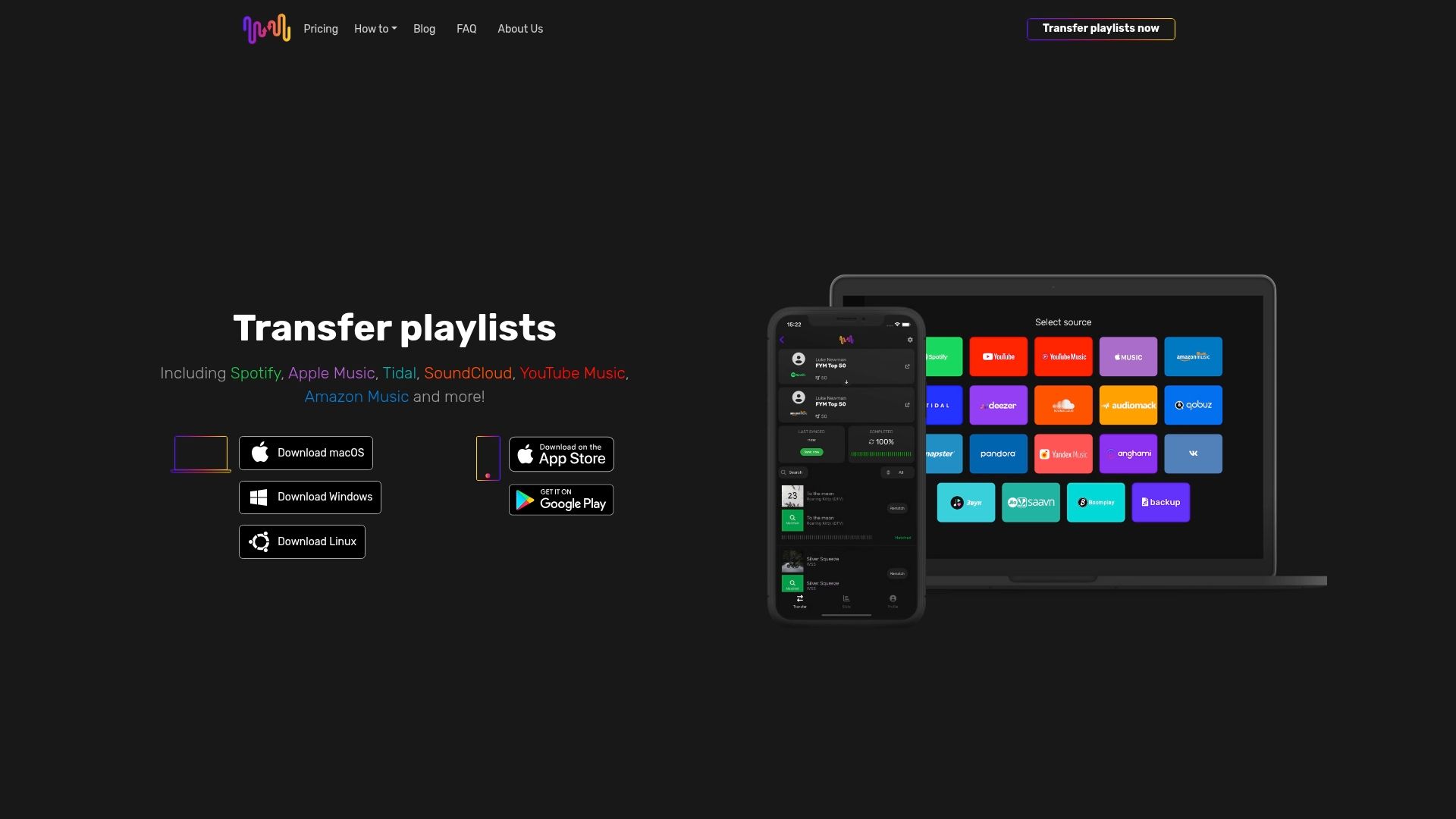
Ervaar vandaag nog hoe eenvoudig migreren kan zijn en bezoek FreeYourMusic.com. Ontdek hoe ons platform het overzetten van playlists tussen Spotify, Apple Music, YouTube Music en andere diensten vereenvoudigt, met gegevensbeveiliging en gebruiksgemak voorop. Zet nu de eerste stap om je muzikale herinneringen te beschermen en houd je playlists intact, welke streamingdienst je ook kiest.
Veelgestelde vragen
Waar moet ik op letten voordat ik in 2025 playlists ga migreren?
Bedenk voordat je begint hoe belangrijk het is om de nummervolgorde en sfeer te behouden. Controleer of de tools die je kiest automatische nummerherkenning centraal stellen en back-ups in de cloud bieden. Maak voor de zekerheid altijd een back-up van je oorspronkelijke playlist.
Hoe zorg ik dat mijn playlists tijdens de migratie hun oorspronkelijke structuur behouden?
Gebruik geavanceerde migratietools die rekening houden met de nummervolgorde en bedoelde overgangen. Bekijk de volgorde voordat je de migratie afrondt en zet verkeerd geplaatste nummers op de juiste plek. Zo blijft je muzikale verhaal intact.
Wat kan ik doen om nummers tijdens het overzetten nauwkeuriger te laten herkennen?
Zorg voor correcte metadata in je muziekbibliotheek en gebruik platforms met geavanceerde herkenningsalgoritmen. Controleer je bibliotheek regelmatig op onjuiste gegevens. Dit kan het succespercentage van nummerherkenning tijdens playlistmigraties met wel 30% verhogen.
Hoe vaak moet ik een back-up van mijn muziekbibliotheek maken om verlies tijdens migraties te voorkomen?
Plan wekelijks automatische back-ups van je muziekbibliotheek en gebruik minstens twee afzonderlijke opslaglocaties in de cloud. Zo bescherm je je muziekcollectie zo goed mogelijk tegen gegevensverlies en onverwachte technische storingen.
Op welke beveiligingsmaatregelen moet ik letten bij een tool voor playlistmigratie?
Controleer bij het kiezen van een tool voor playlistmigratie of deze end-to-endversleuteling en veilige authenticatieprotocollen gebruikt. Zoek naar platforms met een duidelijk beleid voor gegevensverwerking. Dat kan de risico's bij het overzetten van je persoonlijke muziekgegevens aanzienlijk verkleinen.
Zijn er tools waarmee ik playlists tussen meerdere streamingaccounts kan synchroniseren?
Ja, er zijn geavanceerde tools voor muziekmigratie waarmee je playlists soepel tussen meerdere streamingaccounts kunt synchroniseren. Deze tools kunnen je veel handmatig beheer besparen en zorgen dat al je playlists automatisch actueel blijven.
Aanbevolen
Jouw afspeellijsten zijn van jou.
Stop met handmatig opnieuw opbouwen. Verplaats alles in minuten en neem je muziek overal mee naartoe.
Gratis downloaden →SongsBrew — onze gratis muzieknieuwsbrief
Een gratis extraatje voor FYM-gebruikers. Tips, afspeellijsten, geen spam.