Ekosystemy streamingu muzyki — czym są i jak działają

Miliony osób słuchają dziś muzyki w aplikacjach streamingowych, w których playlisty zdają się znać nas lepiej niż najbliższy przyjaciel. Można pomyśleć, że chodzi tylko o trafne propozycje utworów i niekończącą się kolejkę piosenek. Świat streamingu muzyki jest jednak znacznie bardziej złożony. Tworzą go ekosystemy, w których algorytmy potrafią analizować twoje nawyki słuchania z zadziwiającą precyzją, a nawet wpływać na to, co stanie się kolejnym wielkim hitem. Zmienia to nie tylko sposób, w jaki słuchamy utworów, lecz także to, jak muzyka jest udostępniana, odkrywana, a nawet tworzona.
Spis treści
- Czym są ekosystemy streamingu muzyki?
- Znaczenie ekosystemów streamingu muzyki
- Jak działają ekosystemy streamingu muzyki
- Kluczowe elementy ekosystemów streamingu muzyki
- Przyszłość ekosystemów streamingu muzyki
Krótkie podsumowanie
| Najważniejszy wniosek | Wyjaśnienie |
|---|---|
| Ekosystemy streamingu muzyki to złożone sieci | Systemy te łączą wiele platform technologicznych służących do słuchania i dystrybucji muzyki oraz interakcji z nią. |
| Personalizacja kształtuje doświadczenia użytkowników | Zaawansowane algorytmy analizują preferencje, aby dopasowywać muzyczne propozycje do każdego użytkownika. |
| Modele przychodów artystów ewoluują | Platformy streamingowe zastąpiły tradycyjne źródła przychodów dynamicznym wynagradzaniem opartym na zaangażowaniu słuchaczy. |
| Platformy sprzyjają wymianie kulturowej | Streaming muzyki łączy ludzi na całym świecie, pozwalając odkrywać różnorodne gatunki i artystów ponad granicami. |
| Przyszłe innowacje zmienią sposób obcowania z muzyką | Nowe technologie zapowiadają bardziej immersyjne doświadczenia, dzięki którym słuchanie muzyki stanie się bardziej interaktywne i spersonalizowane. |
Czym są ekosystemy streamingu muzyki?
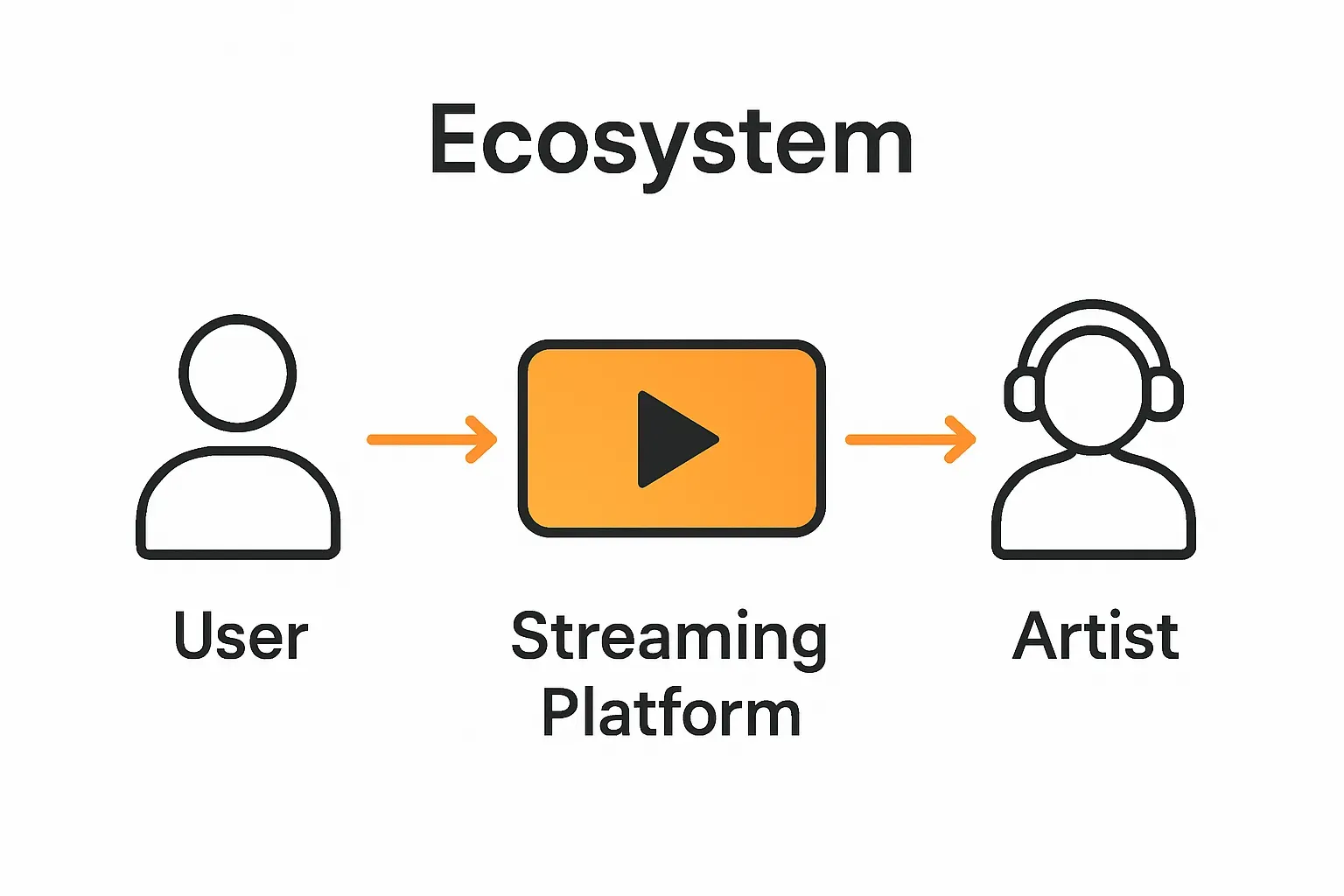
Ekosystemy streamingu muzyki to złożone sieci cyfrowe, w których słuchanie, dystrybucja i interakcje wokół muzyki łączą się za pośrednictwem powiązanych platform technologicznych. Te cyfrowe środowiska wykraczają poza zwykłe odtwarzanie dźwięku, tworząc rozbudowane systemy płynnej współpracy między użytkownikami, artystami, algorytmami i technologią.
Podstawowa architektura
U podstaw ekosystemu streamingu muzyki leży wiele zintegrowanych elementów, które wspólnie zapewniają spersonalizowane doświadczenia muzyczne. Należą do nich platformy streamingowe, sieci dostarczania treści, algorytmy rekomendacji, interfejsy użytkownika i infrastruktura zaplecza. Zrozumienie zasad działania platform muzycznych pozwala dostrzec, jak ważną rolę odgrywa każdy z tych elementów w całościowym doświadczeniu słuchacza.
Najważniejsze elementy architektury to:
- Warstwy interakcji z użytkownikiem
- Systemy zarządzania treścią
- Silniki przetwarzania danych i rekomendacji
- Infrastruktura płatności i licencjonowania
- Mechanizmy łączące różne platformy
Technologia a doświadczenia użytkowników
Współczesne ekosystemy streamingu muzyki wyróżnia umiejętność zapewniania płynnych, spersonalizowanych doświadczeń wspieranych przez inteligentne rozwiązania. Zaawansowane algorytmy analizują nawyki słuchania, preferencje gatunkowe i zachowania użytkowników, aby tworzyć dla nich wyjątkowe propozycje muzyczne. Ekosystemy te nie ograniczają się do przesyłania muzyki — tworzą inteligentne, elastyczne środowiska, które uczą się preferencji poszczególnych użytkowników i zmieniają się wraz z nimi.
Zaawansowana technologia pozwala tym platformom oferować takie funkcje jak:
- Generowanie playlist w czasie rzeczywistym
- Rekomendacje muzyczne dopasowane do nastroju
- Udostępnianie muzyki innym
- Słuchanie offline
- Synchronizacja między urządzeniami
Jak wskazują badania nad muzyką cyfrową, w ekosystemach tych nie chodzi już wyłącznie o odtwarzanie muzyki, lecz o tworzenie wciągających, spersonalizowanych doświadczeń dostosowanych do indywidualnych potrzeb i preferencji użytkowników.
Znaczenie ekosystemów streamingu muzyki
Ekosystemy streamingu muzyki zasadniczo zmieniły sposób, w jaki ludzie na całym świecie słuchają muzyki, odkrywają ją i wchodzą z nią w interakcje. Te platformy cyfrowe są czymś więcej niż innowacjami technologicznymi — to zjawiska kulturowe, które przekształcają całą branżę muzyczną.
Przemiany ekonomiczne i twórcze
Ekosystemy streamingowe gruntownie przebudowały modele ekonomiczne dotyczące muzyków i twórców treści. Dowiedz się więcej o sposobach przenoszenia playlist, które pomagają artystom zwiększać swoją obecność w internecie. Tradycyjne źródła przychodów ustąpiły miejsca złożonym, algorytmicznym systemom dystrybucji, które premiują zaangażowanie i interakcje słuchaczy.
Najważniejsze skutki ekonomiczne to:
- Bezpośrednie wynagrodzenie artystów na podstawie liczby odtworzeń
- Mniejsze bariery w dystrybucji muzyki
- Dostęp do odbiorców na całym świecie
- Śledzenie wyników w czasie rzeczywistym
- Upowszechnienie dostępu do marketingu muzycznego
Więzi kulturowe i społeczne
Poza wpływem na gospodarkę ekosystemy streamingu muzyki pełnią funkcję silnych platform społecznościowych, które łączą słuchaczy ponad granicami geograficznymi. Badania nad światową branżą muzyczną pokazują, jak platformy te umożliwiają wymianę kulturową i odkrywanie muzyki na niespotykaną dotąd skalę. Zaawansowane algorytmy rekomendacji przedstawiają użytkownikom różnorodne gatunki muzyczne i wschodzących artystów, przełamując tradycyjne bariery geograficzne i kulturowe w słuchaniu muzyki.
Ekosystemy te oferują wyjątkowe możliwości interakcji społecznych:
- Wspólne tworzenie playlist
- Dzielenie się preferencjami muzycznymi
- Odkrywanie światowych trendów muzycznych
- Budowanie własnej tożsamości muzycznej
- Nawiązywanie kontaktów ze słuchaczami o podobnym guście
Znaczenie ekosystemów streamingu muzyki wykracza daleko poza zwykłe odtwarzanie dźwięku.
Poniżej porównujemy najważniejsze skutki ekonomiczne i społeczne rozwoju ekosystemów streamingu muzyki, pokazując, jak platformy te zmieniają zarówno branżę, jak i społeczności.
| Obszar wpływu | Opis | Przykładowe efekty |
|---|---|---|
| Przemiany ekonomiczne | Bezpośrednie wynagrodzenie artystów, mniejsze bariery dystrybucji | Zapłata za odtworzenia, globalny zasięg |
| Przemiany ekonomiczne | Śledzenie wyników w czasie rzeczywistym, powszechnie dostępny marketing | Aktualne dane analityczne, niezależna promocja |
| Więzi kulturowe | Wspólne tworzenie playlist, odkrywanie muzyki z całego świata | Udostępnianie playlist przez użytkowników na całym świecie |
| Więzi kulturowe | Interakcje społeczne i dzielenie się trendami | Budowanie społeczności wokół wspólnego gustu |
| Przemiany ekonomiczne | Wpływ rekomendacji algorytmicznych na popularność muzyki | Wiralowe utwory, nowe drogi do sukcesu |
Jak działają ekosystemy streamingu muzyki
Ekosystemy streamingu muzyki opierają się na złożonej infrastrukturze technologicznej, która płynnie łączy wiele zaawansowanych systemów, aby zapewniać spersonalizowane doświadczenia muzyczne. Te rozbudowane sieci przekształcają surowe cyfrowe dane dźwiękowe w inteligentne platformy muzyczne reagujące na potrzeby użytkowników.
Pozyskiwanie treści i zarządzanie nimi
Podstawą działania są kompleksowe procesy pozyskiwania treści. Platformy streamingowe negocjują umowy licencyjne z wytwórniami płytowymi, niezależnymi artystami i wydawcami muzycznymi, aby budować obszerne biblioteki cyfrowe. Poznaj sposoby na bezproblemowe przenoszenie playlist, które ułatwiają przechodzenie między różnymi serwisami streamingowymi.
Najważniejsze mechanizmy zarządzania treścią obejmują:
- Zarządzanie prawami cyfrowymi
- Standaryzację metadanych
- Kodowanie plików audio
- Procesy kontroli jakości
- Ciągłe aktualizowanie biblioteki
Rekomendacje algorytmiczne i personalizacja
Sercem ekosystemów streamingu muzyki są zaawansowane algorytmy rekomendacji, które analizują zachowania użytkowników, nawyki słuchania i dane kontekstowe. Badania nad technologiami muzyki cyfrowej pokazują, jak modele uczenia maszynowego stale udoskonalają propozycje muzyczne na podstawie złożonych wskaźników interakcji użytkowników.
Personalizacja algorytmiczna obejmuje:
- Analizę historii słuchania użytkownika
- Śledzenie nastroju i preferencji gatunkowych
- Rozpoznawanie nawyków słuchania w zależności od czasu
- Identyfikowanie trendów wśród użytkowników
- Dostosowywanie się do preferencji muzycznych w czasie rzeczywistym
Ekosystemy te wykorzystują zaawansowane techniki przetwarzania danych, aby zamieniać surowe dane o słuchaniu muzyki w inteligentne, elastyczne doświadczenia, które z niezwykłą precyzją przewidują indywidualne preferencje użytkowników i na nie odpowiadają.
Kluczowe elementy ekosystemów streamingu muzyki
Ekosystemy streamingu muzyki to zaawansowane sieci technologiczne złożone z połączonych elementów, które wspólnie zapewniają płynne korzystanie z muzyki. Zrozumienie tych kluczowych składników pozwala poznać złożone mechanizmy napędzające słuchanie i dystrybucję muzyki cyfrowej.
Infrastruktura techniczna
Podstawową warstwę ekosystemów streamingu muzyki stanowi solidna infrastruktura techniczna, zaprojektowana do przetwarzania ogromnych ilości danych i dostarczania treści. Poznaj sposoby przenoszenia playlist, które pokazują złożoność tych systemów technologicznych. Infrastruktura ta obejmuje zasoby chmurowe, sieci dostarczania treści oraz zaawansowane platformy zarządzania danymi.
Najważniejsze elementy infrastruktury technicznej to:
- Wydajne sieci serwerów
- Rozproszone systemy przechowywania danych
- Bezpieczne protokoły przesyłania treści
- Mechanizmy równoważenia obciążenia
- Skalowalna architektura chmurowa
Inteligencja algorytmiczna
Inteligencja algorytmiczna stanowi warstwę poznawczą ekosystemów streamingu muzyki, przekształcając surowe dane w spersonalizowane doświadczenia muzyczne. Badania nad cyfrowymi ekosystemami muzycznymi pokazują, jak modele uczenia maszynowego nieustannie analizują interakcje użytkowników, aby generować trafne rekomendacje.
Kluczowe elementy algorytmiczne obejmują:
- Mechanizmy filtrowania kolaboratywnego
- Silniki rekomendacji oparte na uczeniu maszynowym
- Modele przewidywania zachowań użytkowników
- Systemy kontekstowych rekomendacji muzycznych
- Algorytmy dostosowujące się do preferencji w czasie rzeczywistym
Elementy te współpracują ze sobą, tworząc dynamiczne, elastyczne platformy muzyczne, które z niezwykłą precyzją i zaawansowaniem przewidują upodobania poszczególnych słuchaczy i dopasowują do nich muzykę.
Poniżej przedstawiamy główne elementy techniczne i algorytmiczne napędzające ekosystemy streamingu muzyki, wraz z podsumowaniem ich ról i znaczenia dla doświadczeń użytkowników.
| Typ elementu | Przykładowe składniki | Cel lub funkcja |
|---|---|---|
| Infrastruktura techniczna | Wydajne serwery, pamięć masowa w chmurze, bezpieczne protokoły | Zapewnienie niezawodnego dostarczania i przechowywania muzyki oraz szybkiego dostępu do niej |
| Infrastruktura techniczna | Sieci dostarczania treści, równoważenie obciążenia, skalowanie zasobów danych | Zarządzanie dystrybucją na dużą skalę i jednoczesnymi sesjami użytkowników |
| Inteligencja algorytmiczna | Silniki uczenia maszynowego, filtrowanie kolaboratywne | Analiza zachowań użytkowników w celu generowania spersonalizowanych rekomendacji |
| Inteligencja algorytmiczna | Systemy rekomendacji kontekstowych, adaptacja w czasie rzeczywistym | Ciągłe udoskonalanie doboru muzyki na podstawie bieżących działań użytkownika |
| Infrastruktura techniczna | Rozproszona infrastruktura danych, skalowalna architektura | Wspieranie rozwoju, obsługi rosnącej liczby użytkowników i globalnego zasięgu |
| Inteligencja algorytmiczna | Modele przewidywania preferencji użytkowników | Przewidywanie nawyków słuchania w celu zwiększania zaangażowania użytkowników |

Przyszłość ekosystemów streamingu muzyki
Rozwój ekosystemów streamingu muzyki łączy dynamiczne innowacje technologiczne, doskonalenie doświadczeń użytkowników i głębokie zmiany w interakcjach cyfrowych. W miarę dalszego rozwoju platformy te będą na nowo definiować sposób, w jaki tworzymy muzykę, słuchamy jej i z nią obcujemy.
Nowe innowacje technologiczne
Przyszłe ekosystemy streamingu muzyki będą wykorzystywać najnowocześniejsze technologie wykraczające poza tradycyjne odtwarzanie dźwięku. Poznaj bezproblemowe przenoszenie playlist jako wstęp do bardziej zaawansowanych interakcji między platformami. Sztuczna inteligencja, rzeczywistość rozszerzona i immersyjne technologie audio zasadniczo zmienią doświadczenia muzyczne.
Najważniejsze kierunki rozwoju technologicznego to:
- Integracja dźwięku przestrzennego
- Generowanie spersonalizowanej muzyki za pomocą AI
- Podział tantiem oparty na technologii blockchain
- Systemy rekomendacji oparte na sieciach neuronowych
- Immersyjne doświadczenia wirtualnych koncertów
Doświadczenia użytkowników i modele interakcji
Przyszłość streamingu muzyki będzie koncentrować się na hiperpersonalizacji i aktywnym udziale użytkowników. Badania nad technologiami muzycznymi sugerują, że platformy będą ewoluować od biernego słuchania w kierunku dynamicznych ekosystemów muzycznych opartych na uczestnictwie, w których użytkownicy staną się aktywnymi współtwórcami.
Nowe modele interakcji obejmują:
- Wspólne tworzenie playlist w czasie rzeczywistym
- Interaktywne narzędzia do komponowania muzyki
- Dobór muzyki reagujący na nastrój i dane biometryczne
- Platformy odkrywania muzyki oparte na społeczności
- Adaptacyjne środowiska dźwiękowe
Te postępy zwiastują głęboką zmianę w sposobie projektowania, udostępniania i przeżywania doświadczeń muzycznych w erze cyfrowej.
Przejmij kontrolę nad swoim ekosystemem streamingu muzyki dzięki łatwemu przenoszeniu playlist
Złożoność ekosystemów streamingu muzyki pokazuje, jak silnie dzisiejszy świat muzyki cyfrowej opiera się na wzajemnych powiązaniach i danych. Choć platformy oferują inteligentne rekomendacje, synchronizację między urządzeniami i zaawansowaną personalizację, przenoszenie biblioteki muzycznej między serwisami często pozostaje chaotycznym i wyczerpującym zadaniem. Wypróbowanie nowej platformy streamingowej nie powinno oznaczać utraty playlist ani wielogodzinnego, ręcznego odtwarzania wszystkich powiązań.
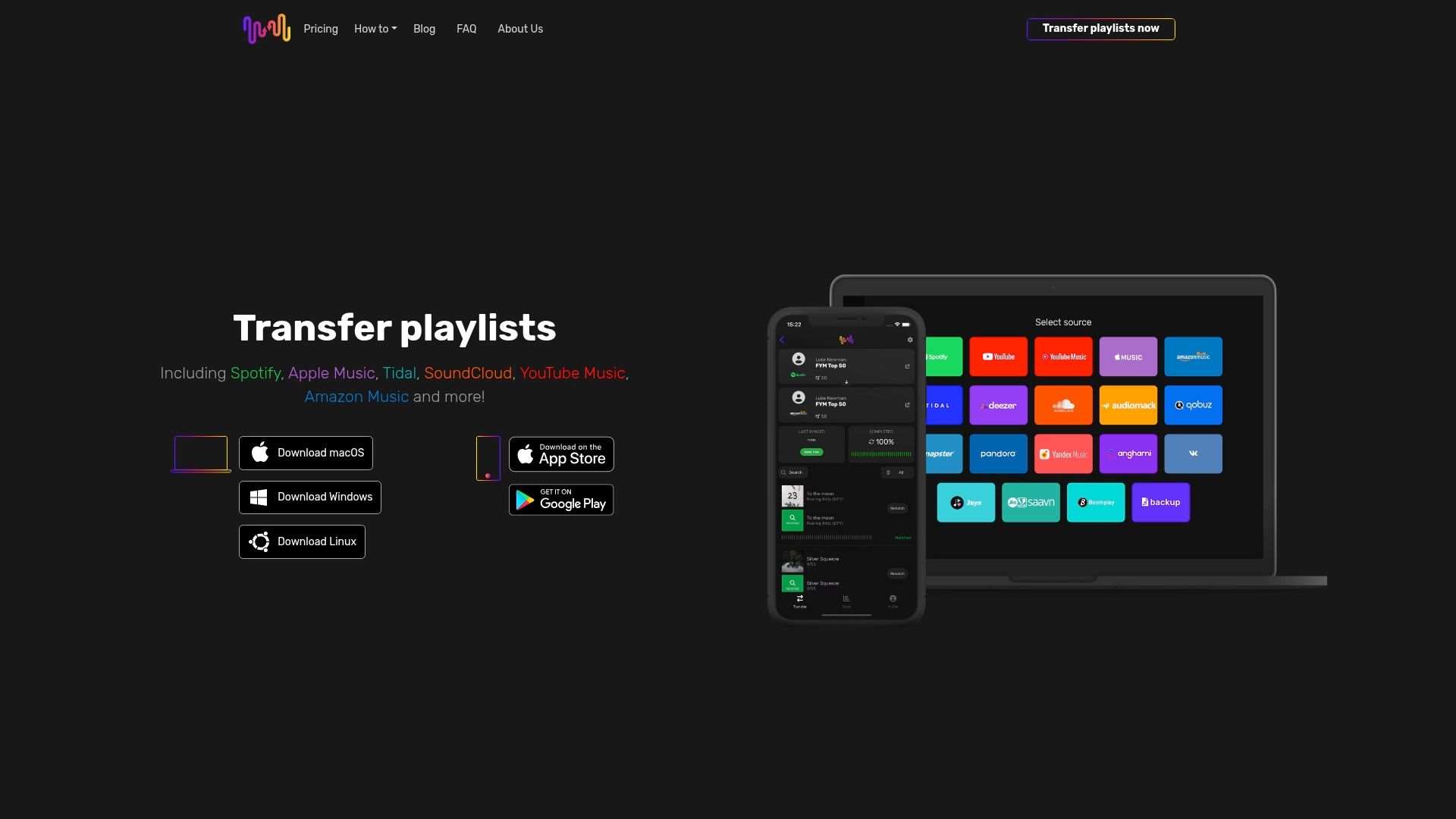
Czas zadbać o to, by przenoszenie muzyki stało się najwygodniejszą częścią korzystania ze streamingu. Powierz Free Your Music przenoszenie playlist między Spotify, Apple Music, Tidal, YouTube Music, Amazon Music i innymi serwisami. Nasza prosta w obsłudze aplikacja zapewnia płynną migrację i pomaga utrzymać idealny porządek na playlistach. Odzyskaj swoją muzyczną tożsamość dzięki automatycznej synchronizacji i kopiom zapasowym w chmurze. Chcesz bezproblemowo zmienić serwis streamingowy? Odwiedź naszą platformę już dziś i przekonaj się, jak łatwe może być zarządzanie własnym ekosystemem. Zacznij teraz i zyskaj prawdziwą swobodę oraz elastyczność w swoim cyfrowym świecie muzyki.
Najczęściej zadawane pytania
Czym jest ekosystem streamingu muzyki?
Ekosystemy streamingu muzyki to sieci cyfrowe, które łączą słuchanie, dystrybucję i interakcje wokół muzyki za pośrednictwem powiązanych platform, oferując spersonalizowane doświadczenia wykraczające poza zwykłe odtwarzanie dźwięku.
Jak działają algorytmy rekomendacji w ekosystemach streamingu muzyki?
Algorytmy rekomendacji analizują nawyki słuchania, preferencje i zachowania użytkowników, aby dobierać muzykę do ich potrzeb, z czasem coraz lepiej dopasowując się do indywidualnych gustów.
Jakie znaczenie mają przemiany ekonomiczne w ekosystemach streamingu muzyki?
Ekosystemy streamingu muzyki przebudowały modele przychodów artystów, umożliwiając bezpośrednie wynagradzanie na podstawie liczby odtworzeń, ograniczając bariery dystrybucji i zapewniając dostęp do odbiorców na całym świecie.
Jakich innowacji technologicznych można się spodziewać w przyszłych ekosystemach streamingu muzyki?
Przyszłe ekosystemy streamingu muzyki prawdopodobnie będą wykorzystywać generowanie spersonalizowanej muzyki za pomocą AI, immersyjne technologie audio i platformy odkrywania muzyki oparte na społeczności, zwiększając interaktywność i wzbogacając doświadczenia użytkowników.
Polecane
- Przenieś playlisty z Qobuz do Audius
- Przenieś playlisty z YouTube Music do Audius
- Przenieś playlisty z YouTube do Audius
- Przenieś playlisty z Qobuz do Qobuz
- Czym jest streaming cyfrowy? Poznaj podstawy - Sparetimetv.com
Twoje playlisty należą do Ciebie.
Przestań odbudowywać ręcznie. Przenieś wszystko w kilka minut i zabierz swoją muzykę wszędzie.
Pobierz za darmo →SongsBrew — nasz darmowy newsletter muzyczny
Darmowy bonus dla użytkowników FYM. Porady, playlisty, bez spamu.