Portabilidade de playlists: mais liberdade para a tua música

A maioria dos DJs e fãs de música americanos concorda que poucas coisas são tão frustrantes como perder semanas de trabalho a organizar playlists devido às limitações de uma plataforma. Com mais de 60% dos ouvintes a alternarem entre serviços de streaming num único ano, a portabilidade de playlists tornou-se indispensável para quem gere bibliotecas de música digital. Compreender os riscos e as vantagens de uma migração de playlists sem complicações ajuda-te a proteger a tua coleção de música e a manter os teus sets organizados, estejas em Toronto, Londres ou Los Angeles.
Índice
- O que é a portabilidade de playlists e porque é importante
- Como funciona a migração de playlists entre serviços
- Tipos de soluções de portabilidade de playlists
- Vantagens para os amantes de música e DJs
- Desafios comuns e riscos para a segurança dos dados
- Como escolher ferramentas de migração seguras e fiáveis
Pontos essenciais
| Ponto | Detalhes |
|---|---|
| A portabilidade de playlists oferece mais flexibilidade | Os utilizadores podem transferir playlists entre plataformas de streaming sem complicações, preservando a sua experiência musical e o acesso às coleções que organizaram. |
| As ferramentas de migração automática melhoram a experiência do utilizador | As ferramentas avançadas simplificam a transferência, reduzem o trabalho manual e aumentam a precisão, ao mesmo tempo que lidam com possíveis diferenças nos metadados. |
| A segurança dos dados é essencial durante as transferências | Os utilizadores devem dar prioridade a ferramentas de migração que apostem na encriptação e na autenticação para reduzir o risco de perda de dados e proteger a privacidade. |
| A verificação após a migração é fundamental | Confirma sempre se todas as faixas foram transferidas com sucesso e podem ser reproduzidas, para garantir a integridade das playlists migradas. |
O que é a portabilidade de playlists e porque é importante
A portabilidade de playlists transforma a gestão das coleções de música digital, permitindo aos utilizadores transferir e preservar, sem complicações, as seleções musicais que prepararam com tanto cuidado em diferentes plataformas de streaming. Na sua essência, este conceito dá aos amantes de música a liberdade de manter as suas playlists personalizadas sem ficarem presos ao ecossistema de um único serviço.
Os estudos mostram que a portabilidade de playlists aumenta significativamente o envolvimento e a satisfação dos utilizadores, permitindo-lhes tirar o máximo partido do tempo e dos recursos que investiram na sua música. Ao eliminar as barreiras tradicionais entre plataformas, os utilizadores ganham uma flexibilidade sem precedentes na forma como ouvem e organizam música. Esta liberdade significa deixar de recriar playlists manualmente ou perder coleções de faixas cuidadosamente organizadas ao mudar entre Apple Music, Spotify ou outros serviços de streaming.
As principais vantagens da portabilidade de playlists vão além da simples conveniência. Os amantes de música podem explorar novas plataformas, aproveitar as funcionalidades de diferentes serviços e adaptar a sua experiência de escuta sem os obstáculos que antes dificultavam a migração de playlists. Quer ouças música ocasionalmente, quer te dediques a criar seleções musicais, a possibilidade de transferir playlists representa uma mudança fundamental na forma como interagimos com os ecossistemas de música digital.
Dica: Cria sempre uma cópia de segurança da playlist original antes de iniciares qualquer transferência, para teres uma salvaguarda em caso de perda inesperada de dados.
Como funciona a migração de playlists entre serviços
A migração de playlists entre serviços de streaming é um processo técnico complexo que envolve várias etapas para garantir uma transferência da biblioteca musical sem complicações. As ferramentas de transferência automática recorrem à correspondência avançada de metadados e à integração através de APIs para ligar diferentes plataformas e facilitar a passagem de playlists de um serviço para outro.
O processo de migração costuma envolver várias fases essenciais. Primeiro, os utilizadores autorizam o acesso às suas contas de música de origem e de destino, permitindo que a ferramenta de transferência leia e escreva dados de playlists. Em seguida, o sistema analisa toda a playlist original e extrai metadados essenciais, como os nomes das faixas, os artistas e as informações dos álbuns. Depois, algoritmos avançados procuram as faixas correspondentes nas diferentes plataformas de streaming, tendo em conta possíveis variações nos metadados das músicas, versões alternativas ou diferenças regionais nos catálogos musicais.
Uma migração de playlists bem-sucedida exige uma infraestrutura técnica sofisticada. O processo implica resolver possíveis problemas, como faixas em falta, diferentes codificações de ficheiros de áudio e restrições específicas de cada plataforma. Algumas ferramentas de transferência utilizam técnicas de aprendizagem automática para melhorar a precisão das correspondências, preservando tanto quanto possível a estrutura e a seleção de músicas da playlist original. Compreender as boas práticas de transferência de playlists pode ajudar os utilizadores a lidar com possíveis complicações e a aumentar as hipóteses de uma transferência completa e precisa.

Dica: Verifica sempre a playlist logo após a transferência para confirmares que todas as faixas foram transferidas com sucesso e podem ser reproduzidas.
Tipos de soluções de portabilidade de playlists
As soluções de portabilidade de playlists evoluíram para responder à complexidade do consumo de música digital, oferecendo diferentes abordagens aos amantes de música que procuram flexibilidade entre plataformas de streaming. Os investigadores identificaram categorias distintas de métodos de transferência de playlists, cada uma concebida para responder a diferentes necessidades dos utilizadores e desafios técnicos.
Existem três tipos principais de soluções de portabilidade de playlists no ecossistema de música digital. A transferência manual é a abordagem mais básica: os utilizadores recriam as playlists, procurando e adicionando cada faixa nas novas plataformas. As ferramentas de transferência automática oferecem uma solução mais sofisticada, utilizando algoritmos avançados para encontrar correspondências e migrar playlists inteiras com uma intervenção mínima do utilizador. A sincronização na nuvem é a categoria mais avançada, permitindo atualizar playlists em tempo real e mantê-las consistentes entre plataformas.
Cada solução de portabilidade de playlists tem vantagens e limitações próprias. As transferências manuais dão ao utilizador controlo total, mas exigem um investimento considerável de tempo. As ferramentas automáticas reduzem drasticamente a complexidade da transferência, embora possam deparar-se com problemas de disponibilidade de faixas ou variações nos metadados. Os métodos inteligentes de partilha de música continuam a evoluir, integrando aprendizagem automática e tecnologias avançadas de correspondência para melhorar a precisão das transferências e a experiência do utilizador.
Segue-se uma comparação dos tipos de soluções de portabilidade de playlists e do seu impacto:
| Tipo de solução | Esforço exigido ao utilizador | Precisão da transferência | Utilização ideal |
|---|---|---|---|
| Transferência manual | Elevado – faixas adicionadas uma a uma | Muito precisa, mas lenta | Playlists pequenas, organizadas pessoalmente |
| Ferramentas automáticas | Intervenção mínima do utilizador | Depende da qualidade dos metadados | Playlists grandes distribuídas por vários serviços |
| Sincronização na nuvem | Automática, sem esforço repetido | Atualizações em tempo real, com consistência | DJs e utilizadores que gerem várias plataformas |
Dica: Revê sempre a playlist transferida e cria uma cópia de segurança da original para garantires que nenhuma faixa se perde durante a migração.
Vantagens para os amantes de música e DJs
A portabilidade da música transforma a forma como tanto os ouvintes ocasionais como os DJs profissionais interagem com as suas coleções musicais. Os estudos mostram que a portabilidade de playlists contribui significativamente para a descoberta musical e a expressão criativa, oferecendo uma flexibilidade sem precedentes entre plataformas digitais.
Para os amantes de música, a portabilidade de playlists significa liberdade face às limitações das plataformas. Os utilizadores podem transferir facilmente playlists cuidadosamente preparadas, preservar as suas memórias musicais e explorar novos serviços de streaming sem perder as coleções que organizaram ao pormenor. Os DJs profissionais beneficiam de vantagens ainda maiores, pois podem migrar rapidamente bibliotecas musicais extensas, experimentar diferentes plataformas e manter as suas configurações de atuação consistentes em vários ambientes digitais.
As vantagens vão além da simples conveniência. A portabilidade de playlists permite aos amantes de música melhorar a sua experiência de escuta, descobrir novas faixas através de recomendações de diferentes plataformas e dar continuidade ao seu percurso musical. As funcionalidades essenciais do streaming de música incluem cada vez mais opções de transferência robustas, reconhecendo a importância da flexibilidade para os utilizadores no atual panorama da música digital.
Dica: Cria uma playlist principal num serviço na nuvem para simplificar futuras migrações e garantir que a tua coleção de música continua acessível em várias plataformas.
Desafios comuns e riscos para a segurança dos dados
A migração de playlists apresenta desafios técnicos e de segurança complexos que exigem atenção por parte dos utilizadores. Estudos aprofundados revelam vários riscos importantes associados à transferência de dados digitais, desde a possível perda de dados até vulnerabilidades significativas de privacidade.
Os principais desafios surgem em várias frentes. As incompatibilidades técnicas podem danificar parcial ou totalmente uma playlist, alterando involuntariamente os metadados das faixas, a ordem das músicas ou secções inteiras durante a transferência. É frequente haver discrepâncias nos metadados quando as plataformas utilizam diferentes normas de codificação de áudio, representações das capas dos álbuns ou protocolos de identificação de faixas. Os riscos de privacidade são outra preocupação central, devido à possível exposição não autorizada de dados durante as transferências entre plataformas.
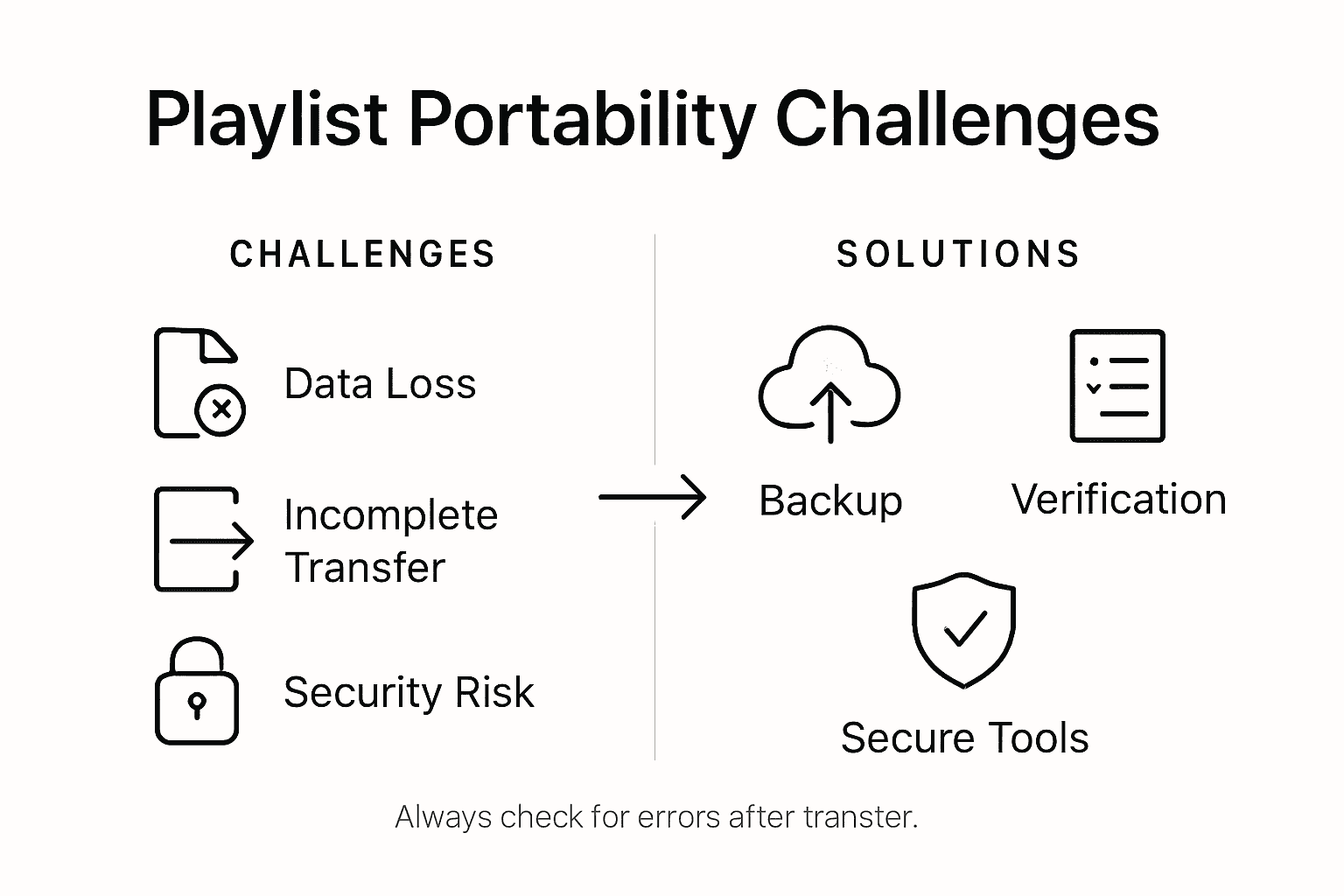
Os especialistas em segurança sublinham a importância de compreender os protocolos de transferência e as limitações específicas de cada plataforma. A integridade dos dados torna-se fundamental, exigindo que os utilizadores confirmem se as playlists estão completas e corretas após a migração. As funcionalidades essenciais do streaming de música incorporam cada vez mais mecanismos avançados de encriptação e validação para reduzir estes riscos inerentes às transferências e proporcionar migrações mais fiáveis.
Dica: Ativa sempre a autenticação de dois fatores e utiliza palavras-passe únicas ao transferir playlists, para reduzir o risco de acesso não autorizado durante a migração.
Como escolher ferramentas de migração seguras e fiáveis
As ferramentas de migração de playlists devem ser escolhidas com cuidado para garantir a segurança dos dados e uma transferência sem complicações. A investigação sobre migração de dados destaca critérios essenciais para avaliar plataformas de transferência, dando especial importância a uma validação abrangente e a protocolos de segurança robustos.
Ao avaliar ferramentas de migração, os utilizadores devem concentrar-se em vários critérios fundamentais. A compatibilidade entre plataformas é o primeiro aspeto a considerar, para garantir que a ferramenta suporta todos os serviços de streaming pretendidos. As funcionalidades de segurança são essenciais, incluindo encriptação de ponta a ponta, autenticação multifator e processos transparentes de tratamento de dados. As ferramentas avançadas devem oferecer registos detalhados das transferências, opções de pré-visualização e controlo minucioso sobre a migração de playlists, permitindo aos utilizadores tomar decisões informadas sobre as suas coleções musicais.
Os especialistas em cibersegurança recomendam uma abordagem sistemática à escolha de ferramentas. Procura plataformas com políticas de privacidade claras, auditorias de segurança regulares e um historial comprovado de migrações bem-sucedidas. As funcionalidades essenciais do streaming de música incorporam cada vez mais mecanismos sofisticados de transferência que dão prioridade à proteção dos dados dos utilizadores e reduzem possíveis vulnerabilidades durante a migração.
Critérios essenciais a considerar ao escolher uma ferramenta de migração de playlists:
| Critério | Descrição | Impacto na migração |
|---|---|---|
| Compatibilidade entre plataformas | Suporta todos os serviços de streaming necessários | Garante a transferência completa das playlists |
| Segurança dos dados | Funcionalidades de encriptação e autenticação | Reduz os riscos de privacidade e perda de dados |
| Precisão da migração | Correspondência fiável de faixas e metadados | Preserva a integridade das playlists |
| Registos de transferência | Registos detalhados do processo de migração | Facilita a auditoria e a resolução de problemas |
Dica: Solicita uma migração de teste e analisa os registos de transferência antes de avançares com a migração completa das playlists, para confirmar a precisão e a fiabilidade da ferramenta.
Descobre a verdadeira portabilidade de playlists com o FreeYourMusic.com
Lidar com os desafios da migração de playlists, como discrepâncias nos metadados, preocupações com a segurança dos dados e transferências manuais demoradas, pode ser frustrante. Este artigo mostra como a portabilidade de playlists oferece liberdade entre plataformas de streaming, mas também revela as dificuldades que os utilizadores enfrentam, como preservar a estrutura das playlists, garantir correspondências corretas entre músicas e evitar a perda de dados. Se alguma vez sentiste que estavas preso a um único serviço de streaming ou receaste perder as tuas coleções durante a migração, há muitos utilizadores na mesma situação.
O FreeYourMusic.com especializa-se em resolver precisamente estes desafios, oferecendo uma solução segura, fácil de usar e baseada na nuvem para migrar playlists sem complicações. A nossa plataforma suporta Spotify, Apple Music, Tidal e muitos outros serviços, com funcionalidades como sincronização automática, cópias de segurança na nuvem e suporte para várias contas. Com o apoio de algoritmos avançados, garantimos uma correspondência fiável dos metadados e preservamos a ordem e o conteúdo originais das tuas playlists.
Experimenta hoje a verdadeira liberdade das playlists e diz adeus à recriação manual e às transferências incompletas.
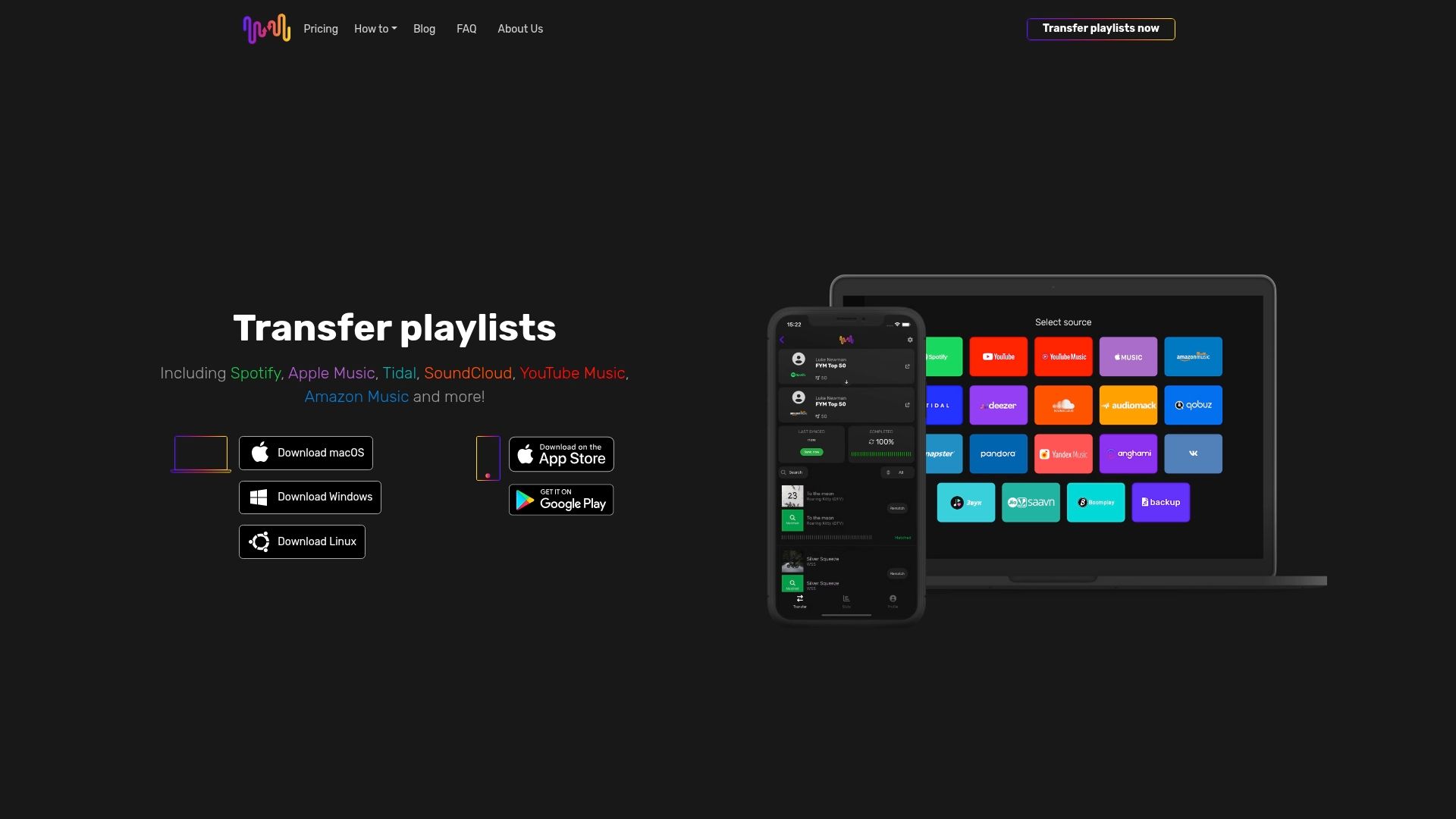
Começa já o teu percurso musical sem complicações em FreeYourMusic.com. Explora soluções de transferência automática de playlists concebidas especialmente para amantes de música como tu. Não arrisques perder as tuas memórias musicais — assume o controlo e migra as tuas playlists em segurança com tecnologia de confiança, criada para tornar a portabilidade simples.
Perguntas frequentes
O que é a portabilidade de playlists?
A portabilidade de playlists é a possibilidade de transferir e preservar as playlists que organizaste em diferentes plataformas de streaming, sem perder informações das faixas nem a sua organização.
Como funciona a migração de playlists?
A migração de playlists utiliza ferramentas de transferência automática que ligam diferentes serviços de streaming através de correspondência avançada de metadados e integração por API, permitindo aos utilizadores transferir as suas playlists sem complicações.
Que tipos de soluções de portabilidade de playlists existem?
Existem três tipos principais de soluções de portabilidade de playlists: transferência manual, ferramentas de transferência automática e sincronização na nuvem. Cada um exige diferentes níveis de esforço do utilizador e oferece diferentes velocidades e graus de precisão.
Quais são as vantagens da portabilidade de playlists para os amantes de música?
A portabilidade de playlists dá aos amantes de música a liberdade de explorar novos serviços de streaming e manter as playlists que organizaram, facilitando a descoberta de música e proporcionando uma experiência de escuta mais flexível.
Leituras recomendadas
- Free Your Music - 7 métodos inteligentes de partilha de música para gerir playlists
- Free Your Music - Compreender os desafios da transferência de playlists para os fãs de música
- Free Your Music - O que é a exportação de playlists: um guia completo
- Free Your Music - Compreender as vantagens da migração de playlists
As suas playlists pertencem-lhe.
Pare de reconstruir à mão. Mova tudo em minutos e leve a sua música para onde quer que vá.
Descarregar grátis →SongsBrew — a nossa newsletter de música gratuita
Uma vantagem gratuita para os utilizadores do FYM. Dicas, playlists, sem spam.