¿Por qué cambiar de servicio de música en streaming? El impacto real

La mayoría de los oyentes estadounidenses y europeos dudan a la hora de cambiar de aplicación de streaming por miedo a perder las horas dedicadas a crear sus listas de reproducción. La realidad es que más de la mitad de los aficionados a la música familiarizados con la tecnología se plantean cambiar de plataforma cada año, atraídos por nuevas funciones, un mejor sonido o contenido exclusivo. Si buscas un cambio sin complicaciones y quieres conservar toda tu biblioteca, conocer las últimas tecnologías de transferencia te permite recuperar el control de tu experiencia musical.
Índice
- Qué implica cambiar de servicio de música en streaming
- La evolución de las funciones y la experiencia de usuario
- Calidad de audio, catálogos y exclusividad
- Cambios de precio, paquetes y factores económicos
- Transferencia de listas sin complicaciones y seguridad de los datos
- Ideas equivocadas y dificultades habituales al cambiar de servicio
Puntos clave
| Aspecto | Detalles |
|---|---|
| Qué tener en cuenta al cambiar | Cambiar de servicio de música en streaming exige evaluar con cuidado las funciones, la calidad de sonido y la experiencia de usuario para seguir disfrutando de la música a tu manera. |
| Avances tecnológicos | Las plataformas modernas facilitan el cambio mediante algoritmos avanzados que conservan las listas y garantizan la seguridad de los datos durante la transferencia. |
| Modelos de precios | Conocer los distintos planes, incluidas las suscripciones por niveles, permite sacar el máximo partido al presupuesto y cubrir diferentes necesidades de escucha. |
| Aclarar ideas equivocadas | Los usuarios suelen sobreestimar las dificultades de cambiar de servicio, pero, con las herramientas y la planificación adecuadas, el proceso puede ser sencillo y beneficioso. |
Qué implica cambiar de servicio de música en streaming
Cambiar de servicio de música en streaming supone una migración digital compleja que va mucho más allá de instalar otra aplicación. El proceso implica trasladar bibliotecas musicales personales, listas de reproducción y preferencias de escucha entre plataformas, teniendo en cuenta las barreras tecnológicas y la experiencia de usuario. Comprender cómo funciona el cambio de suscripción musical permite apreciar los matices de las decisiones del consumidor y de su adaptación a la tecnología.
Hoy en día, los oyentes se encuentran con varios obstáculos al cambiar de servicio, como las funciones propias de cada plataforma, las recomendaciones algorítmicas y las integraciones con redes sociales. Además del catálogo musical, deben valorar la calidad de sonido, la interfaz, la conservación de las listas y las prestaciones exclusivas de cada plataforma. A diferencia de otros cambios de formato o soporte, pasar de un servicio de música en streaming a otro requiere planificación para seguir disfrutando de la música sin interrupciones y conservar una experiencia personalizada.
Los avances tecnológicos han convertido lo que antes era una tarea difícil en un proceso manejable. Las plataformas de música en streaming reconocen ahora que los usuarios se mueven entre servicios e incorporan funciones que facilitan la transición. Estos servicios se han convertido en la principal vía de acceso a la música, como parte de un cambio más amplio de los soportes físicos al consumo digital. Gracias a esta evolución, los usuarios pueden explorar otras plataformas sin miedo a perder las colecciones musicales que han creado con tanto cuidado.
Consejo práctico: Antes de cambiar de servicio, crea una copia de seguridad completa de tus listas de reproducción para facilitar la transición entre plataformas de música en streaming.
La evolución de las funciones y la experiencia de usuario
Las plataformas de música en streaming están transformando rápidamente la forma de escuchar música en el entorno digital mediante innovaciones tecnológicas avanzadas. Fidelizar a los usuarios depende cada vez más de funciones que van más allá de la reproducción musical y de un diseño integral de la experiencia que responda a varias expectativas del consumidor a la vez.
La experiencia actual de streaming combina recomendaciones algorítmicas complejas con estrategias de contenido personalizado. La selección de canciones para las listas de reproducción se ha convertido en un factor decisivo para diferenciarse, y las plataformas desarrollan sistemas avanzados que combinan el aprendizaje automático con el criterio humano. Tanto las listas generadas por algoritmos como las seleccionadas por expertos desempeñan un papel central a la hora de mantener el interés de los oyentes. Permiten a las plataformas ofrecer recorridos de descubrimiento musical únicos y personalizados que animan a seguir explorando nuevos sonidos y artistas.
Los principales avances tecnológicos han transformado las expectativas de los usuarios con funciones como la escucha sin conexión, la sincronización entre dispositivos, la creación de listas colaborativas y la reproducción de audio de alta fidelidad. Estas innovaciones reflejan una tendencia más amplia: escuchar música ha pasado de ser una experiencia pasiva a formar parte de un ecosistema digital interactivo y personalizado. Las plataformas ya no compiten solo por el tamaño de su catálogo, sino también por la calidad de sus sistemas de recomendación, sus funciones sociales y el diseño general de su interfaz.
Consejo práctico: Aprovecha las pruebas gratuitas de varios servicios de streaming para evaluar a fondo sus funciones exclusivas y sus algoritmos de recomendación antes de decidirte por uno.
Calidad de audio, catálogos y exclusividad
Los avances en tecnología de audio han transformado los servicios de música en streaming y han creado un mercado competitivo en el que la calidad de sonido, la variedad del catálogo y el contenido exclusivo son factores decisivos. Los oyentes actuales buscan algo más que acceso a la música: quieren experiencias de audio inmersivas y de alta fidelidad que reproduzcan los matices musicales con una claridad y una precisión sin precedentes.
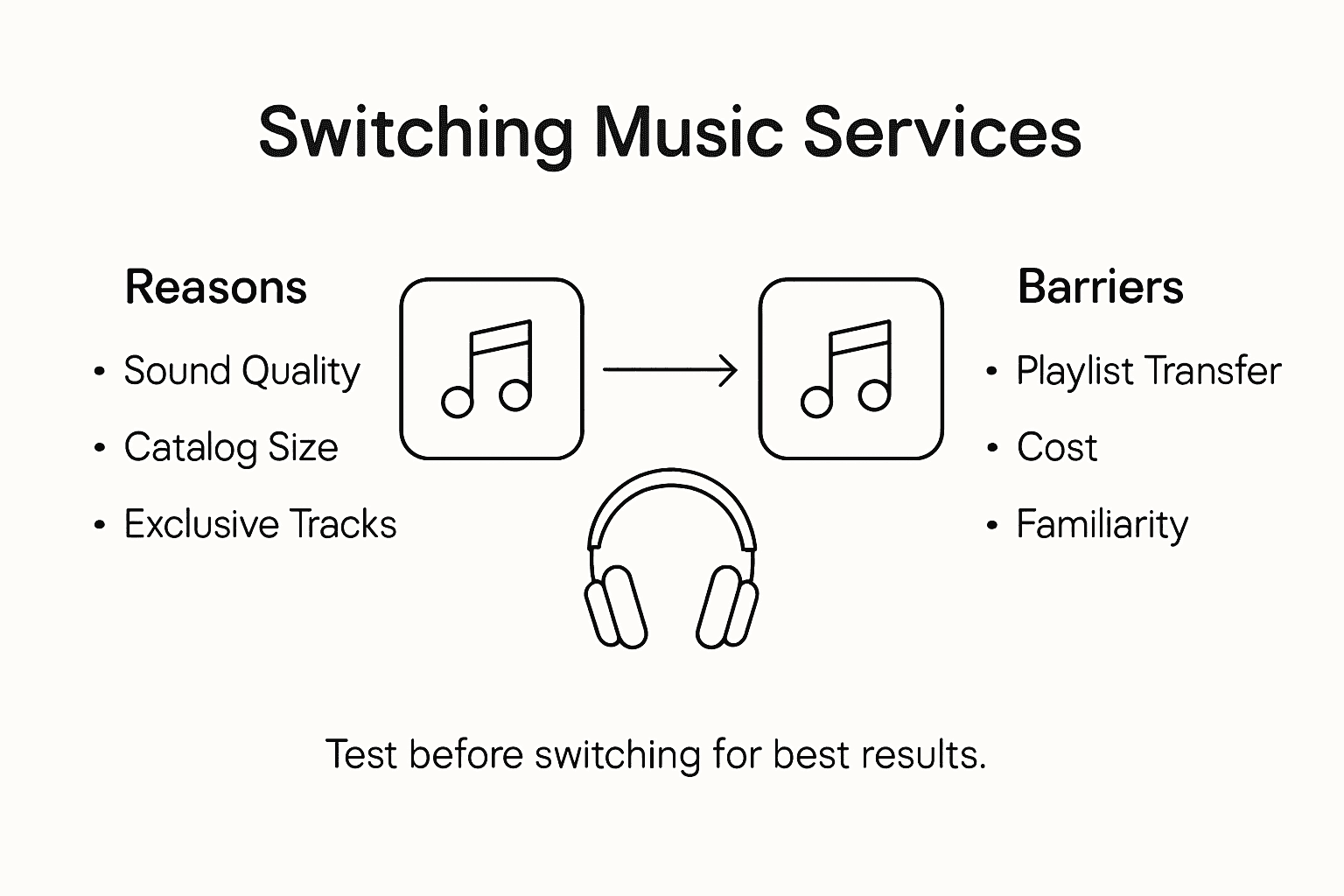
Las plataformas de música en streaming compiten ahora mediante el desarrollo estratégico de sus catálogos, ofreciendo combinaciones únicas de formatos de audio, lanzamientos exclusivos de artistas y colecciones especializadas por género. Estos servicios saben que una biblioteca musical completa ya no depende solo de la cantidad, sino también de ofrecer experiencias de escucha distintivas que reflejen los gustos de cada persona. Los servicios de streaming están transformando las expectativas sobre el descubrimiento y el acceso a la música con funciones innovadoras como el audio sin pérdida, las tecnologías de sonido espacial y el contenido exclusivo de artistas, que aportan un valor tangible más allá de la reproducción musical tradicional.

La calidad del audio en streaming abarca hoy múltiples aspectos técnicos. Las plataformas invierten grandes recursos en códecs de audio avanzados, la optimización de la transmisión por la red y el procesamiento de sonido de alta resolución para diferenciarse. Esta carrera tecnológica permite a los consumidores acceder a grabaciones con calidad de estudio, mezclas inmersivas de audio espacial y colecciones musicales cuidadosamente seleccionadas que antes no estaban disponibles a través de los canales de distribución tradicionales.
Consejo práctico: Prueba siempre los servicios de streaming con auriculares o equipos de audio de buena calidad para apreciar los matices que distinguen su reproducción y fidelidad de sonido.
Así se comparan las principales opciones de música en streaming en algunas características importantes:
| Tipo de plataforma o contenido | Variedad del catálogo | Opciones de calidad de sonido | Compatibilidad con la transferencia de listas |
|---|---|---|---|
| Servicios generalistas | Amplio e internacional | De estándar a sin pérdida | Requiere herramientas de terceros |
| Plataformas especializadas | Centrado en géneros concretos | A menudo, alta definición | Limitada, proceso manual |
| Contenido exclusivo | Lanzamientos limitados | Variable | Poco disponible |
Cambios de precio, paquetes y factores económicos
Las estrategias de precios son cada vez más sofisticadas en el mercado de la música en streaming y están transformando la forma en que los consumidores evalúan y eligen estos servicios. El panorama actual exige una valoración económica más detallada que va más allá de los modelos de suscripción sencillos e incluye estructuras de precios complejas que equilibran la percepción del usuario, el valor ofrecido y las prestaciones tecnológicas.
La aparición de modelos de suscripción por niveles ha revolucionado la relación de los consumidores con las plataformas musicales. Tanto los usuarios de pago como los de servicios freemium valoran ahora múltiples aspectos económicos, como los paquetes de servicios, los planes familiares, los descuentos para estudiantes y las ofertas que combinan distintas opciones de entretenimiento. Estas estrategias de precios flexibles permiten a las plataformas atraer a diferentes tipos de usuarios con opciones de acceso adaptadas a su presupuesto y sus preferencias de escucha.
Los aspectos económicos de la música en streaming van mucho más allá de la cuota mensual. Los consumidores actuales analizan el valor total del servicio, incluidas funciones adicionales como la escucha sin conexión, las opciones de audio de alta fidelidad, la compatibilidad con dispositivos y la sincronización entre plataformas. Los servicios de streaming compiten ofreciendo paquetes cada vez más completos, lo que lleva a los usuarios a valorar en conjunto las ventajas económicas de sus decisiones de consumo musical.
Consejo práctico: Calcula el coste anual de escuchar música en streaming en distintas plataformas, teniendo en cuenta los posibles planes familiares, descuentos para estudiantes y paquetes de servicios para sacar el máximo partido a tu presupuesto.
A continuación se resumen los factores económicos que influyen en la elección de un servicio de música en streaming:
| Modelo de precios | Rango de precios habitual | Prestaciones incluidas | Ideal para |
|---|---|---|---|
| Gratis con anuncios | $0 | Saltos de canción limitados, anuncios | Oyentes ocasionales o con presupuesto ajustado |
| Premium individual | $8–$15 al mes | Escucha sin conexión, sin anuncios, acceso a toda la biblioteca | Oyentes habituales |
| Planes familiares | $13–$20 al mes | Varios usuarios, perfiles independientes | Hogares, grupos |
| Descuentos para estudiantes | $5–$7 al mes | Acceso prémium a precio reducido | Estudiantes universitarios |
Transferencia de listas sin complicaciones y seguridad de los datos
La transferencia de listas de reproducción se ha convertido en un aspecto fundamental para los usuarios de música en streaming y representa mucho más que un simple proceso técnico. Los oyentes actuales esperan soluciones avanzadas capaces de trasladar sin complicaciones sus colecciones musicales cuidadosamente seleccionadas, sin perder el orden de las canciones, los metadatos ni las características personalizadas de sus listas. Esta transición exige plataformas fiables que comprendan y conserven los complejos ecosistemas musicales que los usuarios han construido a lo largo de los años.
La complejidad técnica de la transferencia de listas de reproducción va más allá de trasladar canciones. La preocupación por la seguridad y la privacidad de los datos influye considerablemente en la disposición de los usuarios a cambiar de plataforma. Los consumidores exigen procesos transparentes y seguros que protejan su historial de escucha y sus preferencias personales. Las herramientas avanzadas de transferencia deben trasladar las listas con precisión y garantizar una protección integral de los datos, cifrando la información del usuario y manteniendo estándares estrictos de privacidad durante todo el proceso.
Las plataformas actuales de música en streaming reconocen que una transferencia sin complicaciones puede ser decisiva para fidelizar a los usuarios. Los algoritmos avanzados permiten transferir listas con una precisión casi perfecta: identifican las canciones equivalentes en los catálogos de distintos servicios, conservan las listas personalizadas y mantienen las carpetas y estructuras de organización creadas por los usuarios. Estas innovaciones convierten el cambio de servicio, que antes podía parecer una pesadilla por el riesgo de perder datos, en una experiencia sencilla que respeta el tiempo, el esfuerzo y el valor sentimental que los usuarios han dedicado a sus colecciones musicales.
Consejo práctico: Crea siempre una copia de seguridad completa de tus listas antes de iniciar cualquier transferencia y guarda una copia local de tu historial musical como medida de protección adicional.
Ideas equivocadas y dificultades habituales al cambiar de servicio
Las dudas a la hora de cambiar de servicio de música en streaming suelen deberse a barreras psicológicas y técnicas complejas que van mucho más allá de una simple preferencia por una plataforma. Muchos oyentes creen, erróneamente, que cambiar de servicio significa perder las colecciones musicales que han creado con tanto cuidado, sufrir interrupciones importantes o renunciar a algoritmos de recomendación personalizados que se han afinado durante años de escucha.
El vínculo emocional con las plataformas musicales actuales es más profundo de lo que muchos usuarios creen al principio. Los estudiantes universitarios y los oyentes jóvenes suelen sobreestimar las dificultades de pasar de un servicio de streaming a otro. La complejidad que imaginan y el miedo a perder datos les impiden explorar alternativas que podrían ser mejores. Esta barrera psicológica genera una dependencia tecnológica en la que lo familiar pesa más que las posibles mejoras en calidad de sonido, variedad del catálogo o precios.
La mayoría de las dificultades del cambio se pueden reducir con una planificación cuidadosa y un buen conocimiento de las tecnologías actuales de transferencia musical. Entre las ideas equivocadas más habituales están creer que es imposible transferir listas, que las recomendaciones algorítmicas no se pueden reproducir o que el proceso exige mucho trabajo manual. En realidad, las herramientas avanzadas de transferencia musical ya permiten trasladar listas sin complicaciones, conservando su integridad y los metadatos musicales, e incluso intentan reconstruir los perfiles de recomendación personalizados entre plataformas.
Consejo práctico: Investiga y prueba las herramientas de transferencia musical antes de decidirte a cambiar. Aprovecha los periodos de prueba gratuitos para comprobar cómo funciona el proceso y si la nueva plataforma encaja con tus preferencias de escucha.
Cambia de servicio de música en streaming de forma fácil y segura
Cambiar de servicio de música en streaming puede resultar abrumador cuando tienes que transferir tus listas, proteger tus datos y conservar una experiencia de escucha personalizada. Este artículo destaca la importancia de mantener la estructura de las listas, el orden de las canciones y los metadatos sin perder nada de las colecciones musicales que has creado con tanto cuidado. Quieres ahorrarte la frustración de reconstruirlas a mano y el miedo a perder tu historial musical o la calidad de tus recomendaciones.
FreeYourMusic.com ofrece una solución especializada diseñada precisamente para resolver estas dificultades. Gracias a la transferencia automática de listas, las opciones de copia de seguridad en la nube y una precisión inigualable al identificar canciones equivalentes en plataformas como Spotify, Apple Music, Tidal y muchas más, puedes confiar en el servicio para proteger todo lo que has dedicado a tu música. Tanto si quieres cambiar de proveedor como si buscas organizar varias cuentas sin complicaciones, su aplicación fácil de usar funciona en macOS, Windows, Linux, Android e iOS para que tu música siempre te acompañe.
Toma hoy el control de tu cambio de servicio y disfruta de una transferencia de listas sin complicaciones.
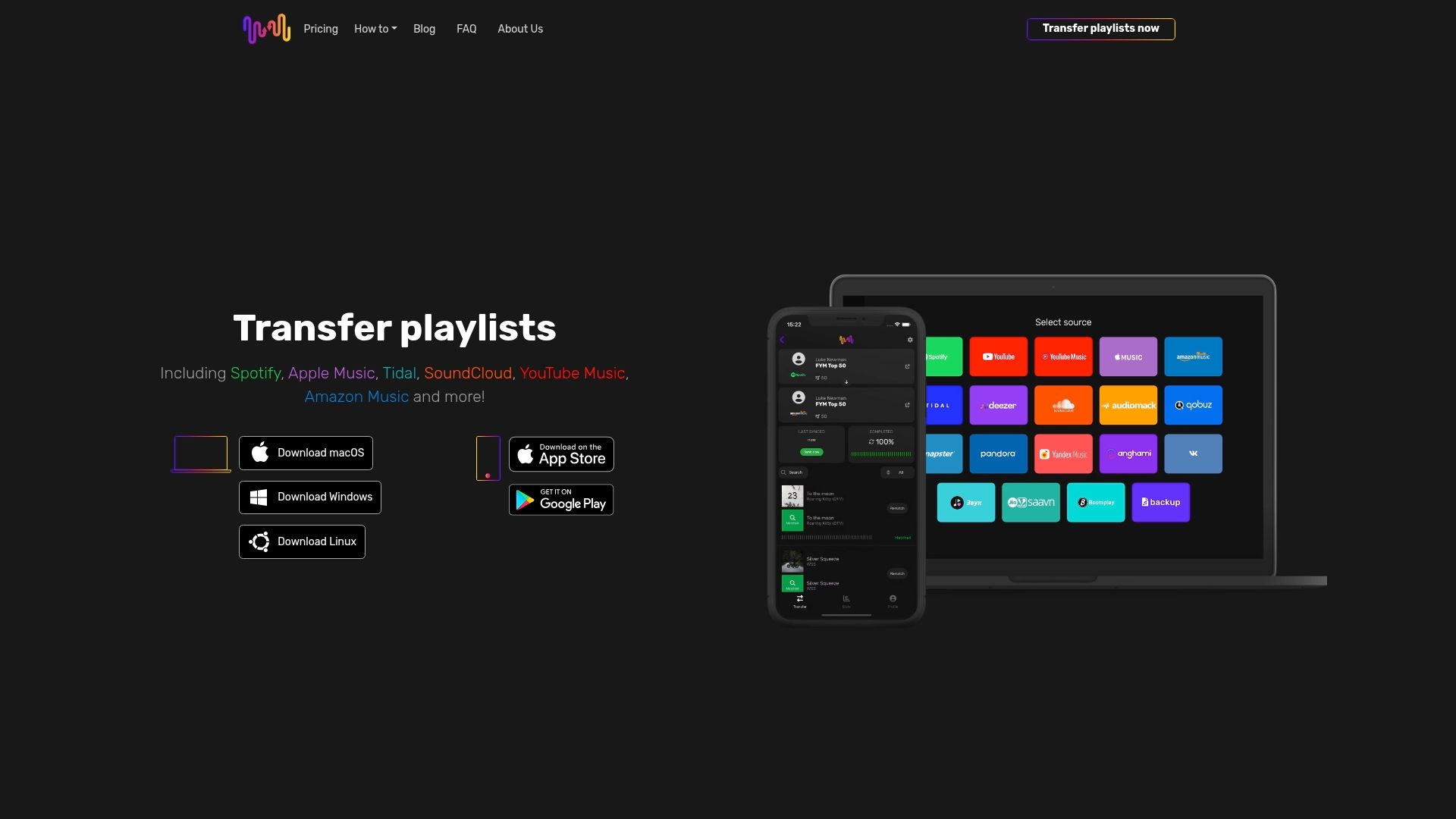
¿Quieres conservar tus listas y preferencias de escucha al pasarte a un servicio de streaming mejor? No esperes a que aumente la frustración. Visita FreeYourMusic.com y empieza a transferir tu música sin complicaciones. Descubre lo fácil que puede ser cambiar cuando tus recuerdos y tus listas se trasladan contigo sin perder nada. Conoce nuestras soluciones en Free Your Music y asegúrate de que tu música no deje de sonar.
Preguntas frecuentes
¿Cuáles son los principales motivos para cambiar de servicio de música en streaming?
Los consumidores suelen cambiar de servicio de música en streaming por factores como la calidad de sonido, la variedad del catálogo, las funciones exclusivas, la interfaz y los precios. Evaluar estos aspectos ayuda a encontrar la plataforma que mejor se adapta a sus preferencias de escucha.
¿Cómo puedo cambiar de servicio de música en streaming sin complicaciones?
Para facilitar la transición, crea una copia de seguridad completa de tus listas actuales y explora herramientas avanzadas que permitan transferirlas conservando el orden de las canciones y los metadatos.
¿Qué funciones clave debo comparar al valorar distintos servicios de música en streaming?
Al comparar servicios de música en streaming, valora las opciones de calidad de audio, la variedad del catálogo, las posibilidades de transferir listas y las funciones específicas para el usuario, como la escucha sin conexión o las listas colaborativas.
¿Hay factores emocionales que influyen en la decisión de cambiar de servicio de streaming?
Sí, muchos usuarios sienten un vínculo emocional con sus plataformas musicales actuales, lo que puede hacer que duden a la hora de cambiar. Este vínculo suele surgir de las recomendaciones personalizadas y de las listas que han creado, y puede llevarlos a tener ideas equivocadas sobre la dificultad del cambio.
Recomendados
- Free Your Music - Qué implica cambiar de suscripción musical
- Free Your Music - Microestudio sobre la interacción de los usuarios con las plataformas de música en streaming
- Free Your Music - Cómo cambiar de servicio de música en streaming
- Free Your Music - ¿Por qué escuchar música en streaming? Una explicación completa
Tus listas de reproducción te pertenecen.
Deja de reconstruir tu biblioteca a mano. Transfiere todo en minutos y lleva tu música a donde vayas.
Descarga gratis →SongsBrew — nuestro boletín gratuito de música
Una ventaja gratuita para los usuarios de FYM. Consejos, listas de reproducción, sin spam.