7 Key Industry Terms Every Playlist Manager Should Know
More than 80 percent of American music fans subscribe to at least one streaming platform, yet managing playlists across different services frustrates countless users. With so many options available, even a simple switch from one provider to another can threaten years of carefully curated music. That is why understanding modern playlist migration matters for every American music lover eager to keep their favorite tracks organized, accessible, and intact through every musical journey.
Table of Contents
- Playlist Migration: Moving Music Across Platforms
- Track Mapping: Ensuring Accurate Song Matching
- Metadata Management: Keeping Song Details Correct
- Syncing: Automatic Playlist Updates Across Services
- Cloud Backup: Securing Playlists for Easy Recovery
- Collaboration Tools: Sharing and Editing with Others
- Playlist Structure: Maintaining Order and User Flow
Quick Summary
| Takeaway | Explanation |
|---|---|
| 1. Understand Playlist Migration | Familiarize yourself with transferring playlists to avoid losing curated music collections. |
| 2. Prioritize Track Mapping Accuracy | Use advanced tools to accurately match songs and minimize discrepancies during migration. |
| 3. Maintain Clean Metadata | Regularly audit your music library to ensure metadata consistency for better transfer success. |
| 4. Utilize Cloud Backup Solutions | Implement cloud backups to protect playlists and facilitate easy recovery during transitions. |
| 5. Embrace Collaboration Tools | Leverage collaborative playlists to enrich your music selection and enhance user experience. |
1. Playlist Migration: Moving Music Across Platforms
Playlist migration has transformed how music enthusiasts manage their digital audio collections across different streaming platforms. Understanding this process is crucial for anyone serious about preserving their carefully curated music libraries.
At its core, playlist migration allows you to transfer your favorite songs and playlists from one music streaming service to another without manually recreating each playlist. This technological solution solves a significant pain point for music lovers who switch platforms or want to explore different streaming services. Innovative tools have emerged to streamline this process, making music library transitions smoother than ever before.
Key Challenges in Playlist Migration:
- Maintaining original playlist order
- Ensuring accurate song matching across platforms
- Handling songs not available on target streaming service
- Preserving playlist metadata and user created details
Successful playlist migration requires understanding the nuanced technical processes involved in transferring music across different streaming ecosystems. Users need specialized software that can intelligently map songs between platforms, handle potential discrepancies, and maintain the integrity of their original musical collections.
By mastering playlist migration techniques, music enthusiasts can seamlessly explore new streaming platforms without the fear of losing their meticulously crafted playlists. This approach offers unprecedented flexibility in how people consume and manage their digital music experiences.
2. Track Mapping: Ensuring Accurate Song Matching
Track mapping represents the complex technological process of matching songs precisely across different music streaming platforms. This critical procedure ensures that your meticulously curated playlists remain intact when transitioning between services.
Key Challenges in Track Mapping:
- Unique track identifiers on different platforms
- Variations in song metadata
- Regional music availability differences
- Album version discrepancies
Music library transfer technologies must navigate intricate algorithms to identify and match songs accurately. The process involves comparing multiple metadata points including artist name, track title, album information, and audio fingerprinting to ensure maximum compatibility.
Successful track mapping requires sophisticated matching techniques that go beyond simple text comparisons. Advanced systems analyze audio characteristics, digital signatures, and contextual metadata to create near perfect song transfers. This means even if a track has slight naming variations or different album releases, the mapping technology can still locate the correct corresponding song.
For music enthusiasts, understanding track mapping helps set realistic expectations about playlist migration. Not every single track will transfer perfectly particularly with rare or regional music tracks. However modern migration tools typically provide transparent reporting about which songs successfully transfer and which might require manual intervention.
Practical strategies for optimizing track mapping include maintaining clean playlist metadata, using high quality original recordings, and selecting migration tools with robust matching algorithms. By being proactive and understanding these technical nuances, you can significantly improve your music library transfer experience.
3. Metadata Management: Keeping Song Details Correct
Metadata management is the critical backbone of maintaining accurate and organized music libraries across different streaming platforms. Think of it as the digital DNA that uniquely identifies and describes each musical track in your collection.
Core Elements of Music Metadata:
- Artist name
- Track title
- Album information
- Release year
- Genre classification
- Track duration
- Musical key
Accurate playlist data preservation requires meticulous attention to these granular details. Inconsistent or incomplete metadata can lead to significant challenges when transferring playlists between different music streaming services.
The complexity of metadata management goes beyond simple text matching. Advanced systems analyze multiple data points to ensure precise song identification. This means tracking subtle variations like alternate artist spellings, different album versions, and regional music catalog differences.
Practical strategies for effective metadata management include regularly auditing your music library, using consistent naming conventions, and leveraging platforms with robust metadata cleaning tools. Music enthusiasts should understand that perfect metadata transfer is not always guaranteed particularly with rare or independently released tracks.
For playlist managers, developing a proactive approach to metadata maintenance can significantly improve the reliability of music library migrations. By understanding the intricate technical landscape of digital music organization, you can minimize potential disruptions and preserve the integrity of your carefully curated musical collections.
4. Syncing: Automatic Playlist Updates Across Services
Syncing represents the sophisticated technological process of maintaining playlist consistency across multiple music streaming platforms. This critical feature allows music enthusiasts to keep their carefully curated collections updated and synchronized without manual intervention.
Core Synchronization Challenges:
- Maintaining playlist order
- Handling track availability differences
- Preserving user created playlists
- Managing metadata inconsistencies
- Tracking platform specific restrictions
Modern music library synchronization strategies must navigate complex technological barriers. Most streaming services do not provide direct cross platform synchronization which means users need specialized third party solutions to maintain playlist continuity.
The synchronization process involves intricate algorithms that compare track metadata, analyze song availability, and intelligently update playlist contents. Advanced systems can detect variations in track information and make informed decisions about maintaining playlist integrity across different streaming environments.
Practical synchronization approaches require users to understand platform limitations and choose tools that offer robust matching capabilities. Music enthusiasts should recognize that perfect synchronization is not always possible particularly with rare tracks or regional music variations.
Successful playlist managers leverage technology that provides transparent reporting about synchronization challenges. By understanding the technical nuances of cross platform music management, you can develop strategies that minimize disruption and maximize the preservation of your musical collections.
5. Cloud Backup: Securing Playlists for Easy Recovery
Cloud backup represents the critical digital safety net for music enthusiasts, protecting their meticulously curated playlists from potential loss during platform transitions or unexpected technical failures. This technological approach ensures your musical collections remain secure and recoverable across different streaming environments.
Essential Backup Strategies:
- Regular automated backup schedules
- Multiple storage location options
- Comprehensive metadata preservation
- Version tracking capabilities
- Cross platform compatibility
Effective playlist organization techniques involve strategic preparation before migrating music libraries. This means creating clear naming conventions, eliminating duplicate tracks, and implementing systematic backup protocols.
The cloud backup process involves creating digital snapshots of your entire playlist collection, capturing not just song titles but also critical metadata like play order, user created notes, and playlist creation dates. Advanced backup systems use sophisticated algorithms to ensure maximum data preservation and minimal information loss during transfers.
Practical implementation requires selecting robust backup solutions that offer encryption, automatic synchronization, and comprehensive recovery options. Music enthusiasts should prioritize platforms that support multiple streaming service integrations and provide transparent reporting about backup status.
Successful playlist managers understand that cloud backup is more than simple file storage. It represents a comprehensive strategy for protecting musical memories, preserving creative collections, and maintaining continuity across evolving digital music landscapes.
6. Collaboration Tools: Sharing and Editing with Others
Collaboration tools in music playlist management represent powerful digital platforms that enable multiple users to create, edit, and share musical collections seamlessly. These innovative technologies transform playlist creation from a solitary experience into a dynamic social interaction.
Key Collaboration Features:
- Real time playlist editing
- Shared access permissions
- Version tracking capabilities
- Collaborative recommendation systems
- Synchronized playlist updates
Advanced music playlist collaboration strategies have revolutionized how people discover and interact with music. By enabling multiple users to contribute simultaneously, these tools break down traditional barriers of music sharing and discovery.
The collaborative process involves sophisticated permission management systems that allow playlist owners to control access levels. Users can invite friends, colleagues, or community members to contribute tracks, vote on song selections, or provide feedback without compromising the original playlist structure.
Practical implementation requires understanding platform specific collaboration mechanisms. Some advanced systems offer granular control settings such as view only access, editing permissions, and invitation based sharing. Music enthusiasts can leverage these tools to create dynamic playlists that evolve through collective input.
Successful playlist managers recognize collaboration as more than a technical feature. It represents a social experience that transforms music discovery into a shared journey, allowing diverse perspectives and musical tastes to converge in unique and unexpected ways.
7. Playlist Structure: Maintaining Order and User Flow
Playlist structure represents the strategic organization of musical tracks that creates a cohesive listening experience. This complex framework goes beyond simple song selection, involving intricate considerations of musical flow, emotional progression, and listener engagement.
Critical Playlist Structure Elements:
- Song sequence and transition quality
- Musical genre and mood progression
- Energy level management
- Thematic consistency
- Emotional narrative development
Advanced playlist continuation techniques reveal that successful musical collections are more than random assemblies of tracks. They represent carefully constructed journeys that guide listeners through intentional sonic experiences.
The science of playlist structure involves understanding how individual songs interact and create meaningful transitions. Sophisticated algorithms analyze musical characteristics such as tempo, key, rhythm, and emotional tone to recommend tracks that maintain a seamless listening experience.
Practical implementation requires deliberate track selection and strategic ordering. Music enthusiasts should consider not just individual song quality but how each track contributes to the overall playlist narrative. This means paying attention to subtle musical elements that create smooth progressions and maintain listener interest.
Successful playlist managers recognize that structure is an art form. By thoughtfully curating musical journeys, they transform simple collections of songs into immersive experiences that reflect personal taste, mood, and musical storytelling.
This table provides a comprehensive summary of the key topics, processes, and challenges associated with playlist migration and music library management across streaming platforms.
| Topic | Description | Key Considerations |
|---|---|---|
| Playlist Migration | Moving playlists across streaming services without manual recreation. | Tools streamline the process, preserving order and details. |
| Track Mapping | Ensuring correct song matches between platforms. | Involves managing metadata and identifier discrepancies. |
| Metadata Management | Maintaining accurate metadata for music tracks. | Use consistent naming conventions and clean data regularly. |
| Syncing | Automatic updates of playlists across services. | Requires understanding platform limitations and complex algorithms. |
| Cloud Backup | Securing playlists for recovery and protection. | Implement automated backups and encryption for safety. |
| Collaboration Tools | Sharing and editing playlists with others. | Utilize real-time editing and shared access permissions. |
| Playlist Structure | Organizing tracks for cohesive listening. | Focus on song transitions and thematic consistency. |
Simplify Your Playlist Management with FreeYourMusic.com
Understanding terms like playlist migration, track mapping, metadata management, and syncing can feel overwhelming when switching music streaming services. You want to keep your playlists intact without losing your carefully crafted order, accurate song matches, and all the details that make your music collection unique. At FreeYourMusic.com we recognize these challenges and offer an easy way to overcome them.
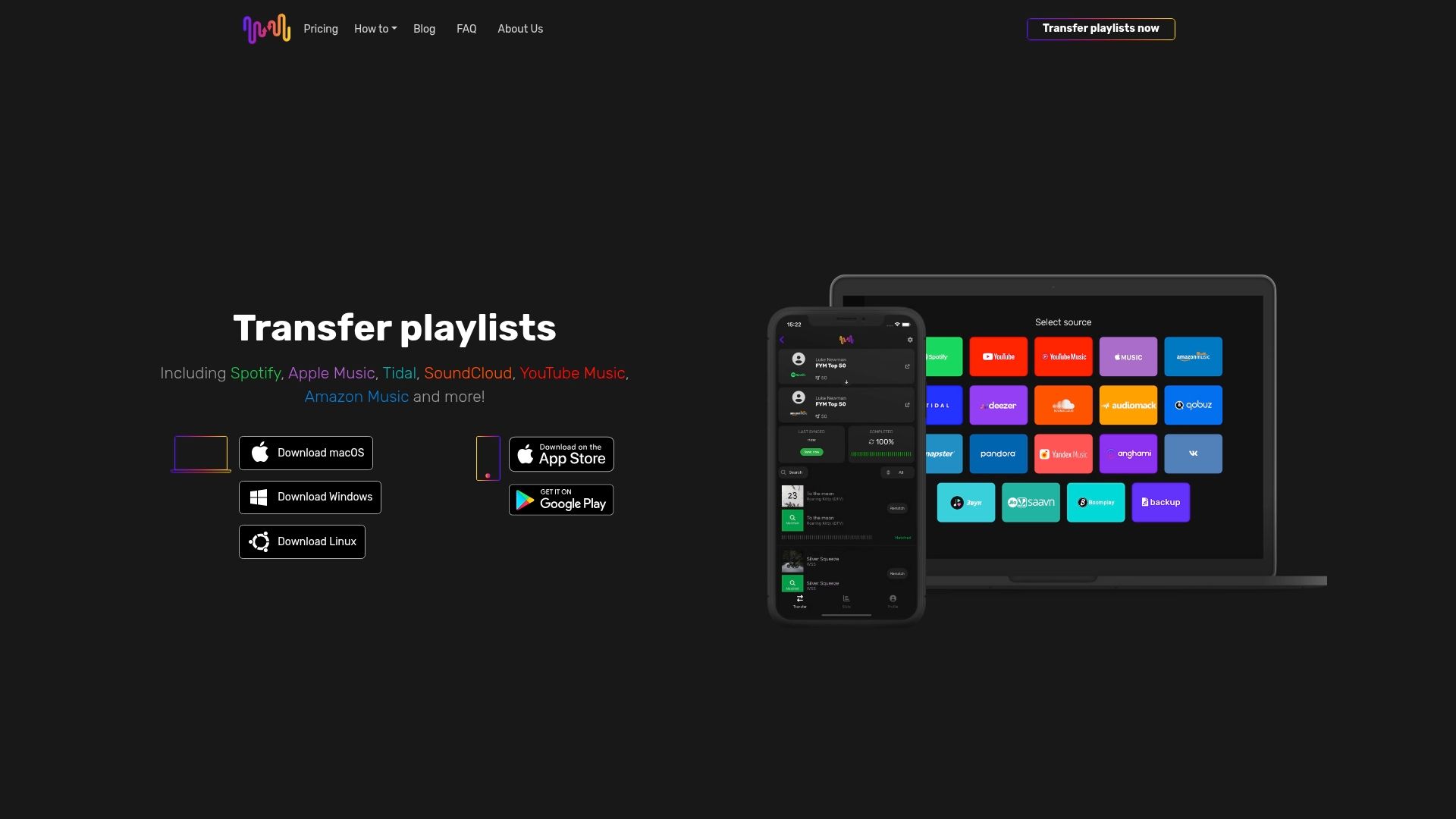
Take control of your music library today by using FreeYourMusic.com. Our platform ensures seamless migration of playlists across Spotify, Apple Music, YouTube Music, and more while preserving your playlists’ structure and metadata. With automated syncing and cloud backup, your music stays safe and up to date wherever you go. Don’t risk losing your favorite songs or spending hours rebuilding playlists. Experience effortless playlist transfers now by visiting FreeYourMusic.com. Start your migration journey today and enjoy all your music, anywhere, anytime.
Frequently Asked Questions
What is playlist migration and how does it work?
Playlist migration is the process of transferring your music playlists from one streaming service to another without having to recreate them manually. To successfully migrate your playlists, use a specialized tool that intelligently maps songs between platforms, ensuring your favorite tracks stay intact.
How does track mapping ensure accurate song matching?
Track mapping involves comparing several data points like artist names and song titles to accurately match tracks across different music platforms. To achieve this effectively, select a migration tool that analyzes both metadata and audio characteristics for the best chances of a successful transfer.
Why is metadata management important for playlist management?
Metadata management is crucial because it ensures that details like artist names and track titles are correctly maintained during playlist transfers. Regularly audit your music library for metadata accuracy to minimize discrepancies and enhance the migration experience.
How can I keep my playlists synchronized across multiple streaming services?
To keep your playlists synchronized, implement a syncing tool that automatically updates your collections across services. Choosing tools that provide clear parameters and real-time changes can drastically reduce manual oversight and help maintain playlist consistency.
What should I consider for cloud backup when managing playlists?
Cloud backup is essential for safeguarding your playlists against loss during transitions and technical failures. Set up regular automated backup schedules and ensure the tool you use captures both songs and all relevant metadata for complete recovery options.
How do collaboration tools enhance playlist management?
Collaboration tools enable multiple users to contribute and edit playlists in real time, enhancing the sharing and discovery of music. To leverage this, invite friends or colleagues to co-create playlists, thereby enriching your musical experience through diverse inputs.
Recommended
Your playlists belong to you.
Stop rebuilding by hand. Move everything in minutes and take your music wherever you go.
Download free →SongsBrew — our free music newsletter
A free perk for FYM users. Tips, playlists, no spam.