Dlaczego warto korzystać z aplikacji muzycznych na wiele urządzeń, by słuchać bez przerw

Przenoszenie obszernej playlisty z jednego serwisu streamingowego do drugiego może szybko stać się żmudnym zajęciem — zarówno dla zapalonego melomana, jak i DJ-a występującego na całym świecie. Po niezliczonych godzinach spędzonych na dobieraniu utworów utrata choćby kilku ulubionych nagrań nie wchodzi w grę. Nowoczesne aplikacje muzyczne działające na wielu urządzeniach oferują dziś płynne przenoszenie i synchronizację playlist, dzięki czemu możesz zachować całą bibliotekę muzyczną bez uciążliwej pracy ręcznej. Sprawdź, jak te zaawansowane rozwiązania zmieniają zarządzanie muzyką dla jej miłośników na całym świecie.
Spis treści
- Czym są aplikacje muzyczne na wiele urządzeń i jakie mity je otaczają
- Rodzaje rozwiązań muzycznych na wiele urządzeń
- Najważniejsze funkcje: przenoszenie i synchronizacja playlist
- Główne zalety dostępu do muzyki na różnych platformach
- Ryzyko ręcznej migracji i utraty danych
- Jak wybrać aplikację dopasowaną do swoich potrzeb
Najważniejsze informacje
| Zagadnienie | Szczegóły |
|---|---|
| Czym są aplikacje muzyczne na wiele urządzeń | Umożliwiają płynne słuchanie na różnych urządzeniach dzięki synchronizacji w czasie rzeczywistym i odtwarzaniu dostosowanemu do kontekstu. |
| Rodzaje rozwiązań | Obejmują platformy chmurowe, aplikacje przeznaczone dla konkretnych ekosystemów oraz usługi integrujące różne platformy. Każdy typ odpowiada na inne potrzeby użytkowników. |
| Ryzyko ręcznej migracji | Ręczna migracja może prowadzić do poważnej utraty lub uszkodzenia danych, dlatego specjalistyczne narzędzia są niezbędne przy przenoszeniu playlist. |
| Wybór odpowiedniej aplikacji | Wybieraj przede wszystkim aplikacje, które usprawniają synchronizację, obsługują wiele urządzeń i oferują inteligentne rekomendacje muzyczne. |
Czym są aplikacje muzyczne na wiele urządzeń i jakie mity je otaczają
Aplikacje muzyczne na wiele urządzeń to zaawansowane platformy programowe zaprojektowane z myślą o płynnym słuchaniu na różnych urządzeniach i korzystaniu z rozmaitych interfejsów. Ich możliwości znacznie wykraczają poza zwykłe odtwarzanie muzyki. Oferują rozbudowane funkcje synchronizacji, które zmieniają sposób korzystania z cyfrowych bibliotek muzycznych. Nowe badania nad słuchaniem dźwięku na wielu urządzeniach wskazują na złożone aspekty projektowania, które odróżniają te aplikacje od tradycyjnych odtwarzaczy muzyki.
Podstawowym zadaniem takich aplikacji jest zapewnienie ciągłości słuchania na smartfonach, tabletach, komputerach, inteligentnych głośnikach i innych połączonych urządzeniach. W przeciwieństwie do tradycyjnych odtwarzaczy działających niezależnie tworzą one zintegrowane ekosystemy, w których odtwarzanie muzyki płynnie przechodzi między platformami. Do ich najważniejszych cech należą synchronizacja w czasie rzeczywistym, odtwarzanie dostosowane do kontekstu oraz inteligentne zarządzanie powiązaniami między urządzeniami. Dzięki tej technologii możesz włączyć playlistę na jednym urządzeniu i bez przerw kontynuować słuchanie na innym.
Powszechne mity na temat aplikacji muzycznych na wiele urządzeń często wynikają z niepełnej wiedzy o ich możliwościach technicznych. Wielu użytkowników uważa je po prostu za serwisy streamingowe, choć w rzeczywistości są znacznie bardziej rozbudowanymi ekosystemami technologicznymi. Analiza projektowania wspólnego odsłuchu na urządzeniach znajdujących się w jednym miejscu pokazuje, że aplikacje te opierają się na złożonych interakcjach między urządzeniami, uwzględniających synchronizację, kontekst, położenie i interaktywność. Zrozumienie tych szczegółowych zasad projektowania pozwala dostrzec prawdziwy potencjał takich aplikacji, wykraczający poza samo przenoszenie muzyki.
Praktyczna wskazówka: Oceniając aplikacje muzyczne na wiele urządzeń, przyjrzyj się nie tylko podstawowym funkcjom streamingu, lecz także możliwościom synchronizacji między urządzeniami i sposobom integracji z ekosystemami.
Rodzaje rozwiązań muzycznych na wiele urządzeń
Aplikacje muzyczne na wiele urządzeń wykorzystują szeroki wachlarz zaawansowanych rozwiązań technologicznych, które usprawniają słuchanie muzyki cyfrowej na różnych platformach i urządzeniach. Badania nad korzystaniem z różnych mediów ujawniają złożone wzorce interakcji użytkowników, które przyczyniły się do rozwoju różnorodnych rozwiązań muzycznych. Można je podzielić na kilka głównych typów, z których każdy odpowiada na określone potrzeby użytkowników i wyzwania technologiczne.
Do podstawowych typów należą platformy synchronizacji w chmurze, aplikacje przeznaczone dla konkretnych ekosystemów oraz usługi integrujące różne platformy. Rozwiązania chmurowe umożliwiają przechowywanie całej biblioteki muzycznej na zdalnych serwerach i zapewniają do niej wygodny dostęp z wielu urządzeń, niezależnie od lokalizacji czy używanego sprzętu. Aplikacje przeznaczone dla konkretnych ekosystemów, zwykle tworzone przez duże firmy technologiczne, skupiają się na ścisłej integracji w obrębie własnych sieci urządzeń, takich jak ekosystem Apple czy środowisko połączonych urządzeń Google. Usługi integrujące różne platformy oferują bardziej elastyczne podejście: pozwalają przenosić i synchronizować playlisty oraz preferencje muzyczne między różnymi serwisami streamingowymi i typami urządzeń.
Zaawansowane aplikacje muzyczne na wiele urządzeń oferują też inteligentne funkcje, takie jak odtwarzanie dostosowane do kontekstu, rekomendacje oparte na uczeniu maszynowym i adaptacyjna synchronizacja. Technologie te analizują nawyki słuchania, sposoby korzystania z urządzeń i indywidualne preferencje, aby słuchanie muzyki było bardziej intuicyjne i lepiej dopasowane do użytkownika. Artykuł 7 kluczowych funkcji serwisów streamingowych z muzyką pokazuje, jak nowoczesne aplikacje muzyczne ewoluują: od prostych odtwarzaczy do kompleksowych platform zarządzania muzyką cyfrową, które rozumieją i przewidują potrzeby użytkowników korzystających z różnych urządzeń i interfejsów.
Oto zestawienie popularnych rodzajów rozwiązań muzycznych na wiele urządzeń i ich wyróżniających zalet:
| Rodzaj rozwiązania | Zasada działania | Najważniejsze zalety |
|---|---|---|
| Synchronizacja w chmurze | Przechowywanie biblioteki muzycznej na zdalnych serwerach | Dostęp z dowolnego urządzenia bez lokalnej synchronizacji |
| Aplikacje dla konkretnych ekosystemów | Ścisła integracja w obrębie sieci urządzeń | Płynne przechodzenie między urządzeniami tej samej marki |
| Integracja między platformami | Łączenie wielu serwisów streamingowych | Swoboda korzystania z różnych marek i aplikacji |
| Inteligentne funkcje adaptacyjne | Uwzględnianie kontekstu i algorytmy uczące się | Spersonalizowane odtwarzanie przewidujące potrzeby użytkownika |
Praktyczna wskazówka: Wybierając aplikację muzyczną na wiele urządzeń, stawiaj na platformy oferujące kompleksową synchronizację między urządzeniami i obsługę wielu serwisów streamingowych.
Najważniejsze funkcje: przenoszenie i synchronizacja playlist
Przenoszenie i synchronizacja playlist to podstawowe funkcje nowoczesnych aplikacji muzycznych na wiele urządzeń, które zapewniają ciągłość słuchania na różnych platformach. Techniczne metody synchronizacji zrewolucjonizowały sposób słuchania muzyki i zarządzania cyfrowymi bibliotekami, odpowiadając na kluczową potrzebę użytkowników: płynne odtwarzanie na wielu urządzeniach. Te zaawansowane funkcje wykraczają poza zwykłe odtwarzanie muzyki, tworząc inteligentne ekosystemy, które rozumieją indywidualne preferencje i dostosowują się do nich.

Przenoszenie playlist opiera się na kilku zaawansowanych procesach technologicznych. Najpierw aplikacja analizuje istniejące playlisty użytkownika i tworzy powiązania między metadanymi, które pozwalają precyzyjnie dopasować utwory w różnych serwisach streamingowych. Dzięki temu ogólna struktura playlisty zostaje zachowana nawet wtedy, gdy wersja danego utworu nieznacznie różni się między serwisami. Technologie synchronizacji w chmurze umożliwiają aktualizacje w czasie rzeczywistym, co oznacza, że zmiany wprowadzone na jednym urządzeniu są natychmiast widoczne na wszystkich połączonych platformach. Możesz włączyć playlistę na smartfonie podczas porannego dojazdu, a następnie kontynuować od tego samego miejsca na domowym komputerze lub inteligentnym głośniku, bez żadnych ręcznych działań.
Zaawansowane aplikacje muzyczne na wiele urządzeń wykorzystują dziś inteligentne technologie synchronizacji, których możliwości znacznie wykraczają poza podstawowe przenoszenie playlist. Uwzględnienie synchronizacji w projektowaniu ujawnia złożone wyzwania techniczne związane z zapewnieniem naprawdę płynnego słuchania. Systemy te wykorzystują już algorytmy uczenia maszynowego do przewidywania preferencji użytkowników, automatycznego porządkowania playlist na podstawie nawyków słuchania, a nawet sugerowania kontynuacji odtwarzania na innych urządzeniach. Efektem jest bardziej spersonalizowane i intuicyjne zarządzanie muzyką, które wyprzedza potrzeby użytkownika i usuwa tradycyjne bariery między serwisami streamingowymi a urządzeniami.
Praktyczna wskazówka: Zawsze wybieraj aplikacje muzyczne na wiele urządzeń, które oferują kompleksowe dopasowywanie metadanych i obsługują wiele serwisów streamingowych. Zapewni to możliwie najszersze możliwości przenoszenia i synchronizacji playlist.
Główne zalety dostępu do muzyki na różnych platformach
Dostęp do muzyki na różnych platformach zmienia sposób słuchania muzyki cyfrowej, dając użytkownikom niespotykaną dotąd swobodę i wygodę. Badania nad korzystaniem z różnych mediów pokazują, że aplikacje muzyczne na wiele urządzeń znacząco poprawiają komfort użytkowania, przełamując tradycyjne bariery między serwisami streamingowymi a urządzeniami. Dzięki tej innowacji miłośnicy muzyki mogą płynnie przechodzić między smartfonami, tabletami, komputerami i inteligentnymi głośnikami, zachowując kontekst odtwarzania i ciągłość słuchania.
Główne zalety dostępu do muzyki na różnych platformach wykraczają daleko poza samą wygodę. Użytkownicy zyskują większą swobodę odkrywania muzyki dzięki inteligentnym systemom śledzącym nawyki słuchania na wielu urządzeniach i platformach. Rekomendacje stają się dzięki temu bardziej osobiste, a biblioteki muzyczne — bardziej elastyczne i łatwiejsze do dostosowania. Przykłady słuchania muzyki klasycznej na wielu urządzeniach pokazują, jak te technologie tworzą wciągające warunki odsłuchu, dostosowane do indywidualnych preferencji, sposobów uczenia się i niuansów kontekstu. Możesz na przykład włączyć playlistę podczas porannego dojazdu, kontynuować ją na komputerze w pracy, a potem płynnie przejść na domowy zestaw audio, bez ręcznej obsługi.
Dostęp do muzyki na różnych platformach sprawia też, że słuchanie staje się bardziej dostępne dzięki usuwaniu barier technologicznych. Urządzenia i serwisy streamingowe przestają być odizolowanymi ekosystemami, a stają się połączonymi platformami, w których najważniejszy jest komfort użytkownika. Zaawansowane technologie synchronizacji zapewniają spójność metadanych playlist, historii słuchania i osobistych preferencji na wszystkich urządzeniach. Takie podejście zwiększa wygodę, a także daje większą kontrolę i swobodę zarządzania cyfrową biblioteką muzyczną, zmieniając sposób korzystania z muzyki i czerpania z niej przyjemności w cyfrowym świecie.
Praktyczna wskazówka: Wybieraj aplikacje muzyczne na wiele urządzeń, które oferują kompleksową synchronizację między platformami i obsługują wiele serwisów streamingowych, aby zyskać jak największą swobodę i komfort słuchania.
Ryzyko ręcznej migracji i utraty danych
Ręczna migracja biblioteki muzycznej może mieć katastrofalne skutki i wiąże się z poważnym ryzykiem dla miłośników muzyki cyfrowej. Badania nad aplikacjami do streamingu muzyki ujawniają złożone trudności, z jakimi mierzą się użytkownicy próbujący przenosić playlisty i kolekcje między platformami bez specjalistycznych narzędzi. Proces ten jest nie tylko niewygodny: może też prowadzić do znacznej utraty danych, uszkodzenia metadanych i zmarnowania wielu godzin na odtwarzanie starannie dobranych zbiorów muzycznych.
Do głównych zagrożeń związanych z ręczną migracją należą niepełne przeniesienie playlist, utrata metadanych utworów i możliwość trwałego usunięcia historii słuchania. Osoby próbujące ręcznie przenieść playlisty często napotykają liczne bariery techniczne, takie jak niezgodne formaty plików, różne ograniczenia serwisów streamingowych czy niespójne sposoby katalogowania utworów. Problemy występujące w aplikacjach do odtwarzania muzyki pokazują, że nawet pozornie proste przenoszenie może powodować poważne zakłócenia: niektórzy użytkownicy tracą całe playlisty lub zmagają się z rozproszeniem kluczowych informacji. Ryzyko jest szczególnie duże przy przechodzeniu między platformami, które mają odmienne umowy licencyjne lub struktury katalogów muzycznych.
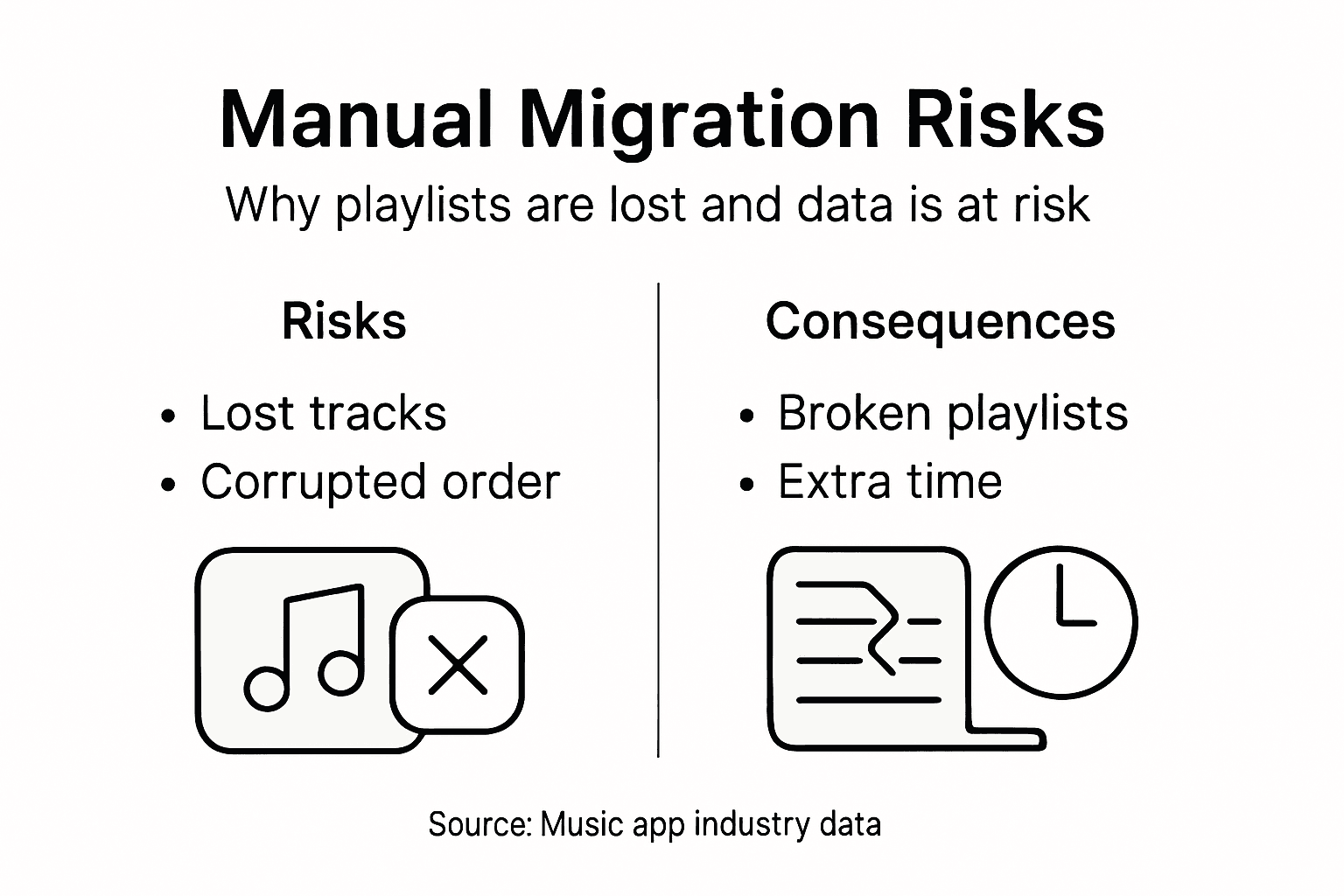
Ręczna migracja naraża też użytkowników na dodatkowe komplikacje wykraczające poza samo przenoszenie danych. Kolejność utworów na playlistach, własne tagi, osobiste oceny i historia słuchania mogą zostać bezpowrotnie utracone. Muzycy, DJ-e i zaangażowani kolekcjonerzy poświęcają mnóstwo czasu na tworzenie skrupulatnie uporządkowanych bibliotek, a ręczne przenoszenie grozi zaprzepaszczeniem wieloletniej pracy. Emocjonalne i praktyczne koszty utraty starannie ułożonych playlist mogą być duże. Zmiana platformy, która powinna cieszyć, zamienia się wtedy we frustrujące i potencjalnie dotkliwe doświadczenie.
Porównanie ręcznej i automatycznej migracji playlist pokazuje, dlaczego warto korzystać ze specjalistycznych narzędzi:
| Metoda migracji | Ryzyko dla bezpieczeństwa danych | Nakład czasu | Integralność playlist |
|---|---|---|---|
| Ręczne przenoszenie | Duże prawdopodobieństwo utraty danych | Kilka godzin | Często naruszona |
| Automatycznie / przez aplikację | Niskie ryzyko, niezawodna kopia zapasowa | Minuty | Zachowana struktura |
| Narzędzia do eksportu | Zapewniają dodatkowe pliki kopii zapasowych | Krótka konfiguracja | Zachowane metadane |
Praktyczna wskazówka: Zawsze korzystaj ze specjalistycznych narzędzi do przenoszenia playlist, a przed próbą ręcznej migracji wyeksportuj bibliotekę muzyczną, aby utworzyć jej kopię zapasową.
Jak wybrać aplikację dopasowaną do swoich potrzeb
Wybór aplikacji muzycznej na wiele urządzeń wymaga przemyślanego podejścia i przyjrzenia się czemuś więcej niż tylko najbardziej widocznym funkcjom. Badania nad aplikacjami do streamingu muzyki podkreślają, jak ważne jest zrozumienie własnych nawyków słuchania i używanego ekosystemu technologicznego przed wyborem konkretnej platformy. Aby zapewnić sobie płynne słuchanie, trzeba wziąć pod uwagę kilka aspektów, w tym zgodność z urządzeniami, niezawodność synchronizacji i możliwości personalizacji.
Proces wyboru obejmuje ocenę kilku kluczowych kwestii technicznych i związanych z wygodą użytkowania. Kryteria oceny działania aplikacji do odtwarzania muzyki wskazują, że warto sprawdzić zgodność z różnymi urządzeniami, dostęp offline, sprawność przenoszenia playlist i zaawansowane technologie synchronizacji. Szczególnie istotne są: zachowanie integralności playlist, obsługa wielu serwisów streamingowych, spójny interfejs na różnych urządzeniach oraz inteligentne algorytmy rekomendacji muzycznych, które dostosowują się do indywidualnych preferencji słuchacza.
Poza specyfikacją techniczną warto przyjrzeć się szerszemu ekosystemowi aplikacji i jej możliwościom integracji. Oznacza to ocenę funkcji udostępniania w mediach społecznościowych, zgodności z posiadaną siecią urządzeń, perspektyw przyszłych aktualizacji oraz podejścia platformy do prywatności użytkowników i bezpieczeństwa danych. Muzycy, DJ-e i zapaleni miłośnicy muzyki mogą stawiać na aplikacje, które skutecznie zachowują metadane, oferują zaawansowane narzędzia do zarządzania playlistami i kompleksowe możliwości przenoszenia bibliotek muzycznych. Celem jest znalezienie platformy, która nie tylko działa, lecz także realnie usprawnia i upraszcza słuchanie muzyki cyfrowej.
Praktyczna wskazówka: Przygotuj własną listę wymagań dotyczących słuchania muzyki i przetestuj kilka aplikacji w ramach bezpłatnych okresów próbnych, aby znaleźć rozwiązanie na wiele urządzeń najlepiej dopasowane do Twoich potrzeb.
Słuchaj muzyki naprawdę płynnie na wszystkich swoich urządzeniach
Artykuł przedstawia wyzwanie dobrze znane dzisiejszym miłośnikom muzyki: zachowanie ciągłości odtwarzania i synchronizacji playlist w wielu serwisach streamingowych i na różnych urządzeniach. Frustrację związaną z ryzykiem ręcznej migracji czy ograniczeniami podstawowych aplikacji streamingowych zna wiele osób. Utrata kolejności utworów na playlistach, uszkodzenie metadanych i żmudne odtwarzanie kolekcji często odbierają radość ze słuchania. Pojęcia takie jak „przenoszenie playlist”, „synchronizacja między platformami” i „inteligentne funkcje adaptacyjne” pokazują, jak złożone i ważne stały się te rozwiązania.
FreeYourMusic.com skutecznie odpowiada na te wyzwania. To łatwa w obsłudze platforma stworzona specjalnie po to, by uprościć przenoszenie i synchronizację całej biblioteki muzycznej między popularnymi serwisami, takimi jak Spotify, Apple Music, Tidal, YouTube Music i Amazon Music.
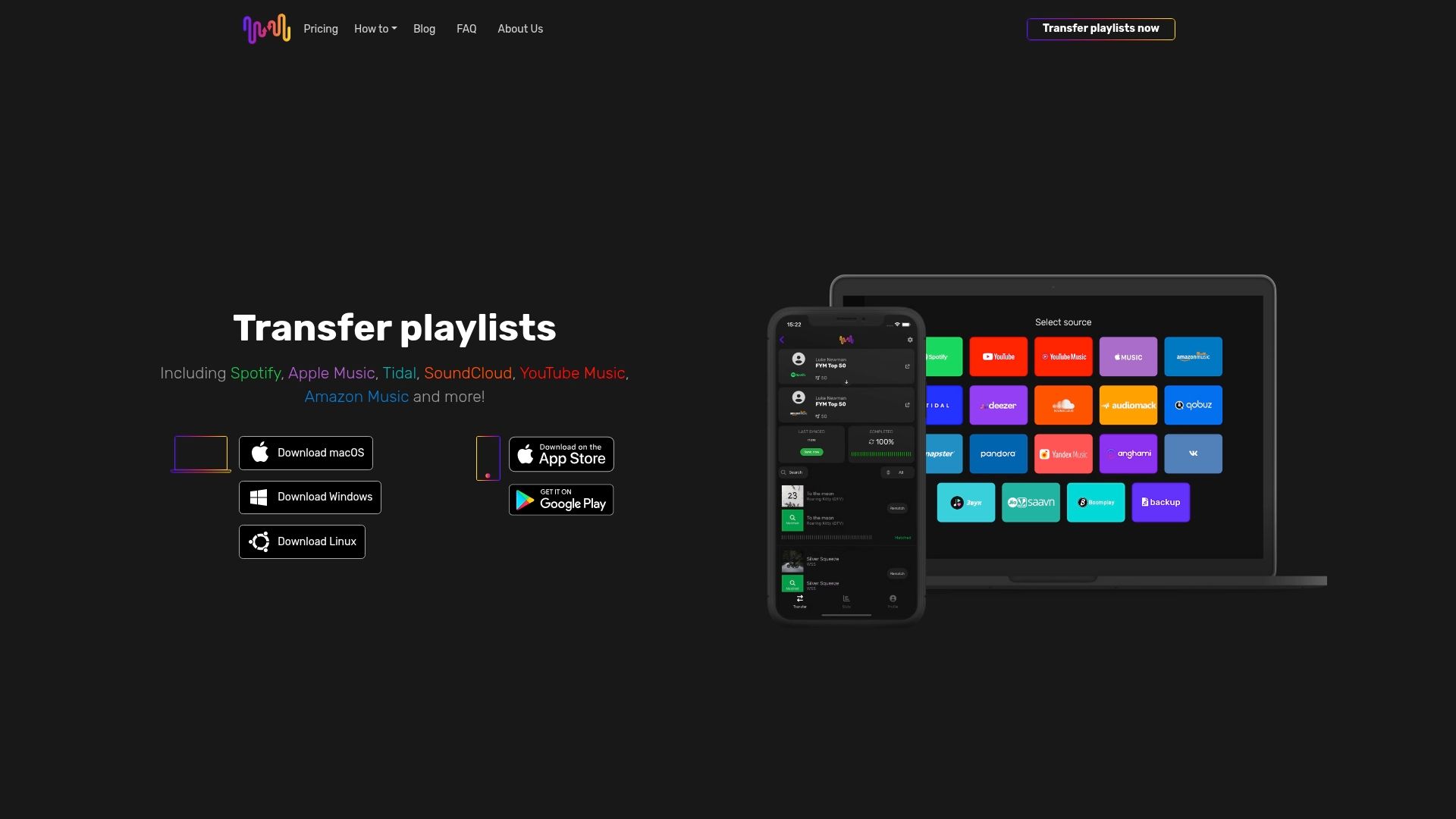
Przejmij kontrolę nad tym, jak słuchasz muzyki. Wybierz rozwiązanie, które obsługuje automatyczną synchronizację playlist, zachowanie metadanych i przenoszenie nieograniczonej liczby playlist z obsługą wielu kont. Uniknij ryzyka i kłopotów związanych z ręczną migracją: odwiedź FreeYourMusic.com i rozpocznij bezpłatny okres próbny już dziś. Czas cieszyć się płynnym słuchaniem.
Najczęściej zadawane pytania
Czym są aplikacje muzyczne na wiele urządzeń?
Aplikacje muzyczne na wiele urządzeń to zaawansowane platformy programowe, które zapewniają płynne słuchanie na różnych urządzeniach. Pozwalają zachować ciągłość odtwarzania muzyki na smartfonach, tabletach, komputerach i inteligentnych głośnikach.
Jak aplikacje muzyczne na wiele urządzeń umożliwiają płynne przenoszenie playlist?
Aplikacje te wykorzystują synchronizację w chmurze i inteligentne technologie do analizowania istniejących playlist. Dbają o zachowanie metadanych utworów i struktury playlist w różnych serwisach streamingowych, dzięki czemu użytkownicy mogą kontynuować słuchanie bez przerw.
Jakie są najważniejsze zalety korzystania z aplikacji muzycznych na wiele urządzeń?
Główne zalety to większa swoboda dostępu do muzyki na różnych urządzeniach, spersonalizowane rekomendacje oparte na nawykach słuchania oraz możliwość swobodniejszego odkrywania muzyki bez utraty kontekstu odtwarzania i bez przerw.
Dlaczego warto unikać ręcznej migracji bibliotek muzycznych?
Ręczna migracja wiąże się z poważnym ryzykiem, takim jak utrata danych, niepełne przeniesienie zawartości i możliwe uszkodzenie metadanych. Korzystanie ze specjalistycznych aplikacji lub narzędzi do migracji zapewnia większe bezpieczeństwo i pozwala zachować integralność playlist.
Polecane
- Free Your Music - 7 niezbędnych funkcji streamingu muzyki, których potrzebujesz
- Free Your Music - Na czym polega płynne przenoszenie playlist? Kompletny przegląd
- Free Your Music - 7 kluczowych funkcji serwisów streamingowych z muzyką, które warto znać
- Free Your Music - Jaką rolę odgrywają zewnętrzne aplikacje muzyczne
- Jak korzystać z aplikacji rejsowych, by sprawnie nawigować
Twoje playlisty należą do Ciebie.
Przestań odbudowywać ręcznie. Przenieś wszystko w kilka minut i zabierz swoją muzykę wszędzie.
Pobierz za darmo →SongsBrew — nasz darmowy newsletter muzyczny
Darmowy bonus dla użytkowników FYM. Porady, playlisty, bez spamu.