Branschstandarder för överföring av spellistor: en komplett guide

Över hälften av alla amerikanska musikälskare byter streamingplattform minst en gång, men många stöter på hinder när de ska föra över sina spellistor. Att flytta dina omsorgsfullt utvalda låtar mellan tjänster är mer än en teknisk uppgift – det sätter branschstandarder, dataskydd och lagstiftning på prov. Genom att förstå dessa standarder kan du skydda din musiksamling, undvika frustrerande förluster och ha favoritlåtarna nära till hands oavsett vilken plattform du väljer.
Innehållsförteckning
- Vad är branschstandarder för överföring av spellistor?
- Viktiga protokoll och format för överföring av spellistor
- Krav på kompatibilitet mellan plattformar
- Datasäkerhet och integritet
- Regelefterlevnad och upphovsrätt
Viktiga slutsatser
| Punkt | Detaljer |
|---|---|
| Branschstandarder är avgörande | Standarder som XSPF och M3U ser till att spellistor behåller sin struktur och sina metadata mellan olika plattformar. |
| Datasäkerhet är centralt | Robusta säkerhetsåtgärder skyddar användardata vid överföring av spellistor och förhindrar obehörig åtkomst och dataförlust. |
| Regelefterlevnad är komplicerat | När spellistor flyttas är det viktigt att följa upphovsrättslagstiftningen och kontrollera rättigheterna till innehållet. |
| Kompatibilitet mellan plattformar förbättrar användarupplevelsen | Effektiva verktyg för överföring av spellistor gör tjänsterna enklare att använda genom att matcha låtar korrekt och bevara ordningen mellan tjänster. |
Vad är branschstandarder för överföring av spellistor?
Standarder för överföring av spellistor är viktiga tekniska protokoll som gör det möjligt att smidigt flytta musikbibliotek mellan olika streamingplattformar. De definierar hur musikmetadata, spellistornas struktur och digitala ljudfiler ska tolkas och överföras på ett enhetligt sätt mellan tjänster. Att förstå utmaningarna med att överföra spellistor visar hur mycket som ligger bakom en till synes enkel process.
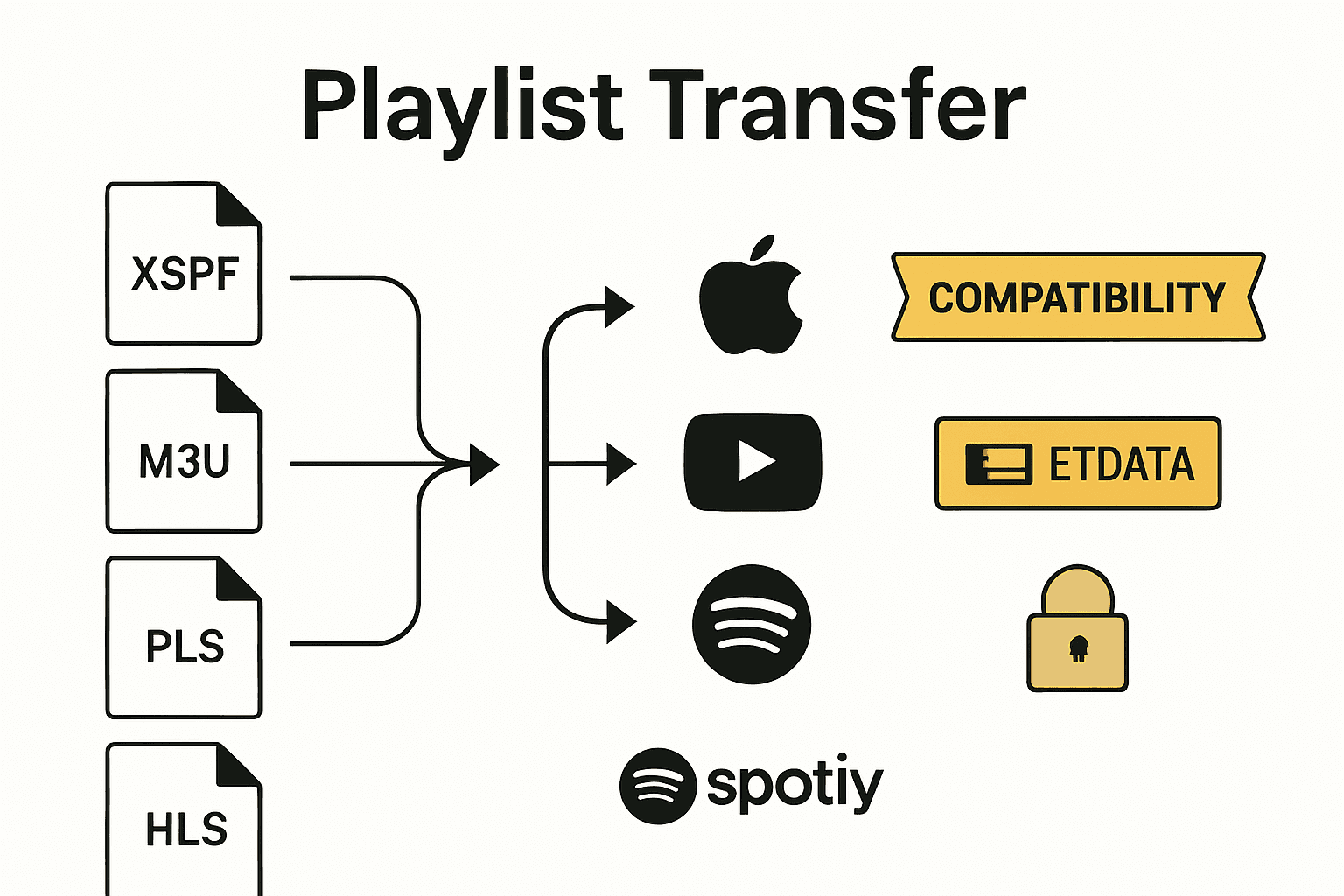
Två huvudsakliga tekniska standarder har vuxit fram för digital delning av spellistor: XML Shareable Playlist Format (XSPF) och spellisteformatet M3U. Enligt Wikipedia är XSPF ett XML-baserat format som är särskilt utformat för att göra spellistor med digitala medier flyttbara mellan plattformar. Formatet ser till att spellistor kan behålla sin ursprungliga struktur och sina metadata när de flyttas mellan olika streamingtjänster och musikplattformar.
M3U är en annan viktig standard som gör att spellistor fungerar mellan olika system. Formatet utvecklades ursprungligen för MP3-filer, men enligt Wikipedia har M3U utökats med stöd för flera ljud- och videoformat, vilket gör det till en mångsidig lösning för att dela spellistor. Några viktiga egenskaper hos dessa standarder är:
- Bevarande av metadata mellan plattformar
- Enhetliga filsökvägar och låtreferenser
- Stöd för flera typer av ljud- och videofiler
- Kompatibilitet mellan plattformar
När musikstreamingen blir alltmer uppdelad mellan olika tjänster blir dessa branschstandarder allt viktigare för användare som vill behålla sina omsorgsfullt sammanställda musiksamlingar. Guider till smidig överföring av spellistor ger en djupare inblick i hur du hanterar de tekniska utmaningarna och bevarar ditt musikbibliotek när du byter plattform.
Viktiga protokoll och format för överföring av spellistor
Protokoll för överföring av spellistor utgör den tekniska grunden för att smidigt kunna flytta musikbibliotek mellan olika digitala plattformar. De definierar standardiserade metoder för att koda, överföra och tolka musikmetadata, så att användare effektivt kan flytta sina utvalda samlingar mellan streamingtjänster. Att förstå konvertering av spellistor hjälper musikentusiaster att få grepp om de komplexa tekniska processerna bakom överföringarna.
Två betydelsefulla filformat för spellistor har etablerats som branschstandarder för mediedelning: PLS och HTTP Live Streaming (HLS). Enligt Wikipedia är PLS ett filformat för multimediespellistor som främst används för att strömma medier via internet. Det stöder uppspelning i olika mediespelare av både innehåll på nätet och lokala filer. Det här mångsidiga formatet hjälper användare att hålla spellistor intakta under överföringar.
HTTP Live Streaming (HLS), som utvecklats av Apple Inc., är ett annat viktigt protokoll för hantering av spellistor. Wikipedia beskriver HLS som ett HTTP-baserat streamingprotokoll med adaptiv bithastighet och brett stöd i mediespelare, webbläsare och mobila enheter. Några viktiga egenskaper hos dessa överföringsprotokoll är:
- Möjlighet till adaptiv streaming
- Kompatibilitet mellan plattformar
- Stöd för flera typer av mediefiler
- Tillförlitligt bevarande av metadata
- Effektiv hantering av bandbredd

När den digitala musikkonsumtionen fortsätter att utvecklas blir det allt viktigare för musikälskare som vill ha flexibilitet i sitt lyssnande att förstå dessa överföringsprotokoll. Att förstå export av spellistor ger ytterligare insikter i hur digitala musikbibliotek hanteras.
Krav på kompatibilitet mellan plattformar
Kompatibilitet mellan plattformar har blivit en grundläggande förutsättning för dagens musikstreaming, eftersom den gör det möjligt för användare att smidigt flytta och hantera sina musiksamlingar mellan olika tjänster. Den största utmaningen är att skapa standardiserade protokoll som korrekt kan översätta spellistornas metadata, låtinformation och användarinställningar mellan olika streamingplattformar. Att förstå konvertering av spellistor ger en inblick i den komplexa tekniken bakom dessa digitala musikflyttar.
Nya lösningar har utvecklats för att hantera dessa kompatibilitetsproblem. Apple Support lyfter fram den växande trenden att plattformar erbjuder direktöverföring, till exempel genom att låta Apple Music-användare flytta sina spellistor till YouTube Music. Det visar att branschen ser vikten av att användare kan byta tjänst och att musiktjänster behöver kunna samverka flexibelt.
Framväxten av specialiserade verktyg för att hantera spellistor mellan plattformar har gjort dessa byten ännu enklare. Enligt Wikipedia har plattformar som Soundiiz utvecklat avancerade system som låter användare konvertera och hantera spellistor i flera streamingtjänster. Viktiga kompatibilitetskrav för effektiv överföring av spellistor är:
- Korrekt matchning av låtar mellan plattformar
- Bevarande av spellistans ursprungliga ordning
- Översättning och normalisering av metadata
- Stöd för olika ljudfilformat
- Hantering av regionala begränsningar i musikutbudet
När streamingtjänsterna blir allt fler förväntar sig användarna allt smidigare lösningar som gör att de kan behålla sina omsorgsfullt sammanställda musiksamlingar.
VIDEO:video_content] Att förstå export av spellistor ger mer bakgrund till hur hanteringen av digitala musikbibliotek utvecklas.
Datasäkerhet och integritet
Datasäkerhet och integritet är centrala frågor vid överföring av spellistor, då känsliga användaruppgifter och musikpreferenser kan bli utsatta för obehörig åtkomst eller oavsiktligt röjande. Moderna streamingplattformar för musik måste införa robusta skyddsmekanismer för att hålla användardata säkra under hela överföringen. Att förstå konvertering av spellistor ger viktiga insikter i de komplexa utmaningar kring datahantering som dessa digitala flyttar innebär.
[Travel Daily News lyfter fram de betydande risker som användare möter när de byter musikplattform, särskilt risken för dataförlust till följd av skillnader i hur låtar och metadata lagras. Dessa skillnader kan äventyra användaruppgifter och leda till ofullständiga eller felaktiga överföringar av spellistor.
Viktiga aspekter av datasäkerhet och integritet vid överföring av spellistor är:
- Kryptering av personliga metadata i spellistor
- Säkra autentiseringsprotokoll
- Tydliga policyer för datahantering
- Funktioner för att inhämta användarnas samtycke
- Rutiner för att minimera lagringen av data
- Skydd mot obehörig åtkomst från tredje part
När digitala musiktjänster blir alltmer sammankopplade behöver användare vara uppmärksamma på hur deras musikbibliotek och personliga preferenser skyddas. Att förstå export av spellistor ger ytterligare vägledning i dessa komplexa integritetsfrågor och hjälper användare att fatta välgrundade beslut om sin musikstreaming.
Regelefterlevnad och upphovsrätt
Regelefterlevnad och hantering av upphovsrätt innebär komplexa utmaningar för digitala musiktjänster, särskilt när spellistor överförs mellan streamingplattformar. Musikplattformar måste förhålla sig till omfattande regelverk som skyddar artisters rättigheter, immateriella rättigheter och användarnas interaktioner, samtidigt som tjänsterna ska fungera smidigt. Att förstå konvertering av spellistor belyser de juridiska nyanserna kring digitala musikflyttar.
Wikipedia betonar den viktiga roll som tekniska standarder som SMPTE ST 2067 spelar. Den omfattar en bred uppsättning standarder som definierar digital leverans och lagring av professionellt ljud- och bildmaterial i masterformat. Dessa standarder har en central roll när rättsliga ramar för mediedistribution fastställs och bidrar till att överföringar av spellistor följer etablerade protokoll för immateriella rättigheter.
Dessutom är mekanismer för innehållsskydd avgörande för att uppfylla lagkraven. Enligt Wikipedia innehåller streamingprotokoll som HTTP Live Streaming (HLS) avancerade funktioner för rättighetshantering som hjälper plattformar att följa upphovsrättslagstiftningen. Viktiga juridiska aspekter vid överföring av spellistor är:
- Kontroll av äganderätten till innehållet
- Efterlevnad av regionala licensavtal
- Skydd av artisters immateriella rättigheter
- Transparenta mekanismer för uppföljning av royaltyersättningar
- Efterlevnad av upphovsrättsreglerna i Digital Millennium Copyright Act
- Respekt för geografiska innehållsbegränsningar
När digitala musikplattformar fortsätter att utvecklas måste användare och tjänsteleverantörer vara noga med att upprätthålla juridiska och etiska standarder. Att förstå export av spellistor ger ytterligare insikter i hur dessa komplexa juridiska och tekniska frågor kan hanteras.
Förenkla överföringen av dina spellistor med beprövade branschstandarder
Artikeln belyser viktiga utmaningar vid överföring av spellistor, som att säkerställa kompatibilitet mellan plattformar, bevara metadata och skydda din integritet. Dessa frågor kan göra att det känns både överväldigande och riskfyllt att byta streamingtjänst eller samla hela musikbiblioteket på ett ställe. Med FreeYourMusic.com får du tillgång till en pålitlig lösning som hanterar utmaningarna genom att automatisera de komplexa tekniska processerna och samtidigt bevara spellistornas ordning, metadata och användarinställningar.
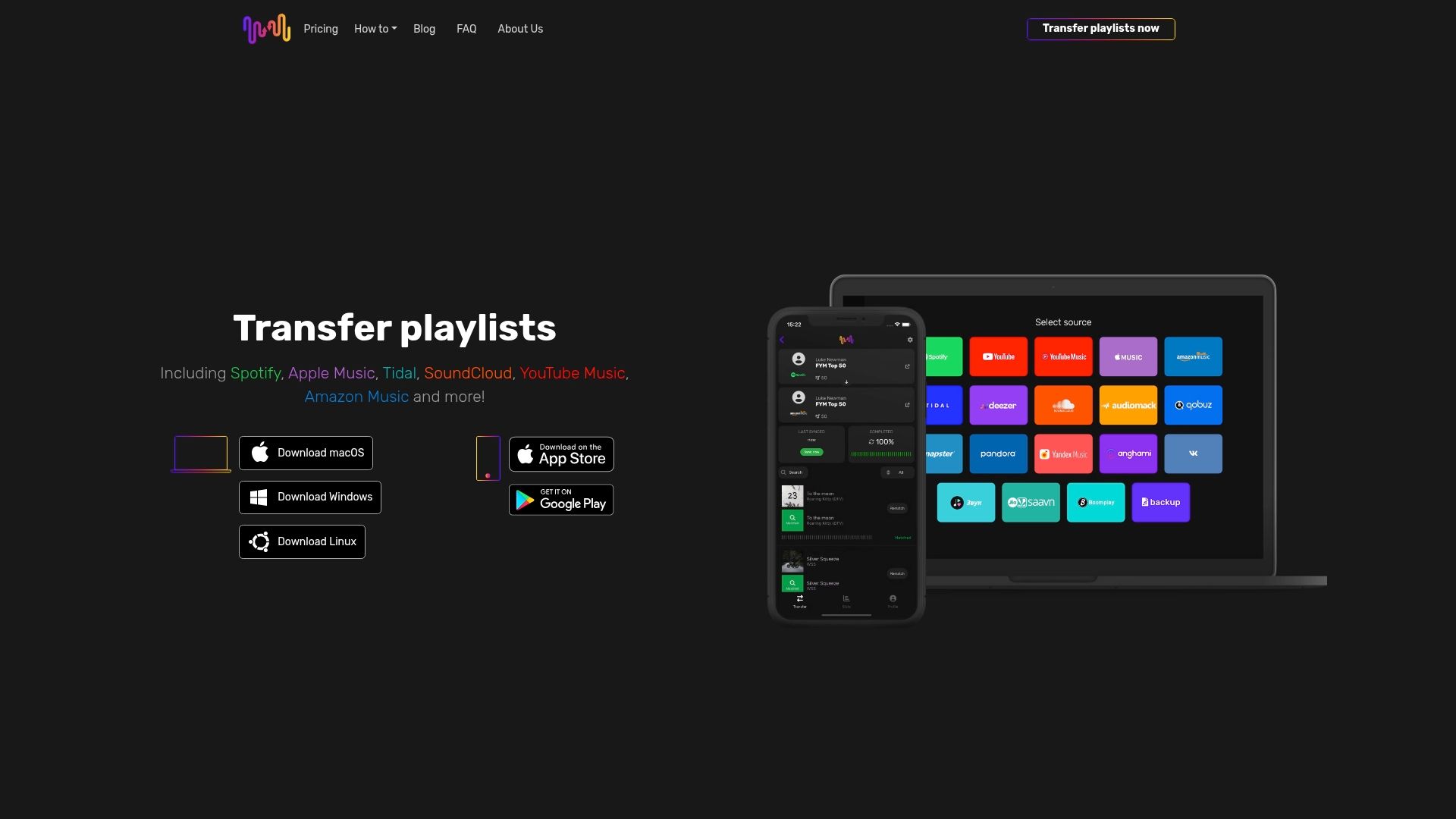
Redo att flytta dina spellistor utan att förlora favoritlåtar eller lägga timmar på att rätta till fel? Läs om hur vår plattform använder branschstandarder som XSPF och stöder synkronisering mellan plattformar, så att du smidigt kan överföra ett obegränsat antal spellistor mellan Spotify, Apple Music, YouTube Music och fler tjänster. Ta kontroll över ditt musiklyssnande redan i dag genom att besöka FreeYourMusic.com. Upptäck varför användare litar på oss för säker och enkel överföring av spellistor och effektiv hantering av musikbibliotek i Att förstå export av spellistor och Att förstå konvertering av spellistor. Starta din kostnadsfria överföring nu och förlora aldrig din musik igen.
Vanliga frågor
Vilka är de viktigaste standarderna för överföring av spellistor?
De två huvudsakliga standarderna för överföring av spellistor är XML Shareable Playlist Format (XSPF) och spellisteformatet M3U. XSPF är särskilt utformat för kompatibilitet mellan plattformar, medan M3U stöder flera ljud- och videoformat.
Hur fungerar protokoll för överföring av spellistor?
Protokoll för överföring av spellistor definierar standardiserade metoder för att koda, överföra och tolka musikmetadata, så att användare effektivt kan flytta sina utvalda samlingar mellan streamingtjänster.
Vilka är de viktigaste kraven för effektiv överföring av spellistor mellan plattformar?
Viktiga krav är korrekt matchning av låtar, bevarande av spellistans ursprungliga ordning, översättning av metadata, stöd för olika ljudfilformat och hantering av regionala begränsningar i musikutbudet.
Vilka säkerhetsåtgärder bör beaktas vid överföring av spellistor?
Viktiga säkerhetsåtgärder är kryptering av personliga metadata, säkra autentiseringsprotokoll, tydliga policyer för datahantering, funktioner för att inhämta användarnas samtycke och skydd mot obehörig åtkomst från tredje part.
Rekommenderad läsning
- Free Your Music – Bästa praxis för användare som vill överföra spellistor
- Free Your Music – Förstå utmaningarna med överföring av spellistor för musikälskare
- Free Your Music – Vad innebär export av spellistor? En heltäckande guide
- Free Your Music – Vad innebär delning av spellistor? En komplett användarguide
Dina spellistor tillhör dig.
Sluta bygga om för hand. Flytta allt på några minuter och ta med dig musiken vart du vill.
Ladda ner gratis →SongsBrew — vårt gratis musiknyhetsbrev
En gratis förmån för FYM-användare. Tips, spellistor, ingen spam.