Säkerhetschecklista för musikstreaming – skydda dina spellistor

De flesta amerikanska och europeiska musiksamlare vet att ett enda kapat streamingkonto kan hota hela deras digitala arkiv. Riskerna ökar när spellistor flyttas mellan tjänster och personuppgifter blir allt mer värdefulla för cyberbrottslingar. Den här guiden går igenom det viktigaste inom säkerhet vid musikstreaming och visar hur nya standarder för kryptering och integritet hjälper DJ:ar och samlare att skydda sina livsverk – oavsett hur många plattformar eller spellistor de hanterar.
Innehållsförteckning
- Grunderna i säker musikstreaming
- Risker och hot vid musikstreaming
- Viktiga säkerhetsfunktioner när du flyttar spellistor
- Dataskyddslagar och regelefterlevnad inom streaming
- Vanliga misstag och hur du undviker dem
- Så skyddar du flera konton
Viktigaste punkterna
| Punkt | Detaljer |
|---|---|
| Förstå säkerhetens grunder | Använd krypterad dataöverföring, tvåfaktorsautentisering och säker hantering av starka lösenord för att skydda dina digitala musiksamlingar. |
| Känn till riskerna | Var uppmärksam på kontokapningar, personuppgiftsincidenter och ekonomiska bedrägerier när du använder musikstreamingtjänster. |
| Följ goda säkerhetsrutiner | Granska kontosäkerheten regelbundet, använd en lösenordshanterare och aktivera flerfaktorsautentisering på alla konton. |
| Säkerställ regelefterlevnad | Sätt dig in i dataskyddsregler som GDPR och CCPA för att skydda dina personuppgifter på streamingplattformar. |
Grunderna i säker musikstreaming
Säkerhet inom musikstreaming är en del av ett komplext digitalt ekosystem där det krävs kunskap och genomtänkta strategier för att skydda personliga musiksamlingar och den egna integriteten. Ny blockkedjeteknik förändrar hur användare kan skydda sina digitala musiktillgångar och introducerar banbrytande metoder för dataskydd och innehållshantering.
I grunden omfattar säker musikstreaming flera avgörande områden: dataskydd, upphovsrättsskydd, åtkomstkontroll och säker överföring av innehåll. Användare behöver förstå att deras spellistor är mer än bara underhållning – de är personliga digitala tillgångar som behöver ett starkt skydd. Säkerhetsramverket för Web 3.0 erbjuder avancerade mekanismer för ett heltäckande skydd mot potentiella digitala sårbarheter.
Viktiga grundläggande säkerhetsåtgärder är:
- Krypterad dataöverföring
- Tvåfaktorsautentisering
- Regelbundna säkerhetsgranskningar
- Noggrann kontroll av behörigheter för tredjepartsappar
- Säker hantering av starka, unika lösenord
Moderna musikstreamingplattformar inför i allt större utsträckning avancerade säkerhetsprotokoll för att skydda användarnas data. Det handlar bland annat om avancerad krypteringsteknik, decentraliserad lagring och intelligenta system för åtkomstkontroll som förhindrar obehöriga ändringar i spellistor eller möjliga dataintrång.
Proffstips: Använd alltid unika lösenord för varje musikstreamingtjänst och aktivera tvåfaktorsautentisering för att minska säkerhetsriskerna avsevärt.
Risker och hot vid musikstreaming
Musikstreamingplattformar har blivit allt mer komplexa digitala ekosystem, vilket utsätter användarna för en rad avancerade cybersäkerhetsrisker. Cybersäkerhetsexperter betonar att de digitala hot som riktas mot musikstreaminganvändare är mångfacetterade och utnyttjar flera sofistikerade angreppsvägar.
De främsta riskerna vid musikstreaming kan delas in i flera viktiga områden:
- Kontokapning: Angripare använder nätfiske för att stjäla användarnas inloggningsuppgifter
- Personuppgiftsincidenter: Obehörig åtkomst till personlig lyssningshistorik och personliga preferenser
- Ekonomiska bedrägerier: Risk för stöld av kreditkorts- eller betalningsuppgifter
- Spridning av skadlig programvara: Musikplattformar används för att sprida skadlig programvara
- Immaterialrättsintrång: Otillåten delning av innehåll och intrång i upphovsrätten
Sårbarheter på streamingplattformar sträcker sig långt bortom skyddet av användarnamn och lösenord. Skickliga angripare utnyttjar ofta användarnas förtroende genom att skapa trovärdiga falska aviseringar som lurar dem att lämna ut känslig information eller ladda ner skadligt innehåll förklätt till musikrelaterade filer.
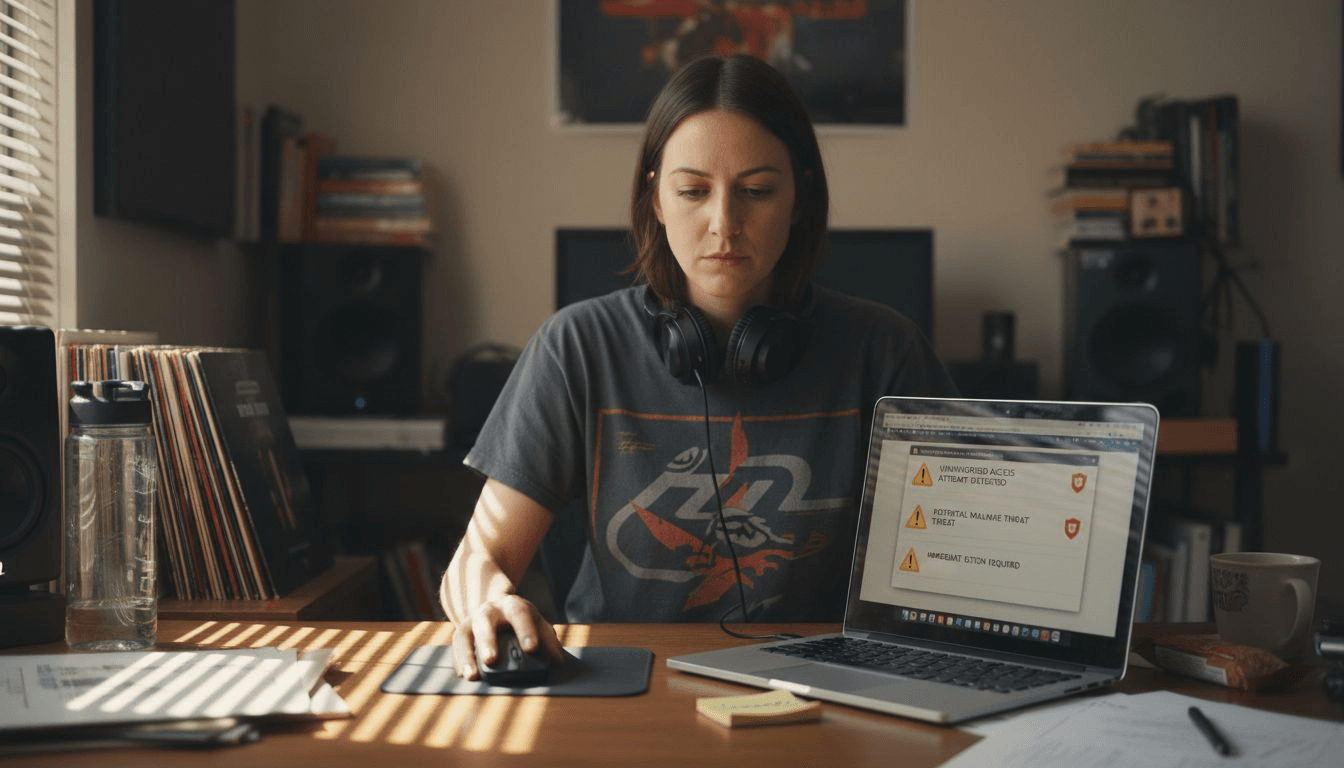
De tekniska angreppsmetoderna har blivit allt mer förfinade, och cyberbrottslingar utvecklar komplexa strategier för att ta sig in i musikstreamingens ekosystem. Det kan handla om social manipulation, attacker där stulna inloggningsuppgifter testas på andra tjänster och avancerade, ihållande hot som är utformade för att utnyttja plattformsspecifika sårbarheter.
Här jämförs vanliga risker vid musikstreaming och rekommenderade skyddsåtgärder:
| Risktyp | Angreppsmetod | Konsekvenser för användare | Rekommenderat skydd |
|---|---|---|---|
| Kontokapning | Nätfiske/stöld av inloggningsuppgifter | Förlorad åtkomst till kontot | Starka lösenord, 2FA |
| Personuppgiftsincidenter | Obehörig åtkomst | Personuppgifter röjs | Integritetsinställningar, granskningar |
| Ekonomiska bedrägerier | Stöld av betalningsuppgifter | Ekonomisk förlust och identitetsstöld | Säkra betalningar, vaksamhet |
| Spridning av skadlig programvara | Nedladdning av skadliga filer | Infekterade enheter, skadade data | Endast verifierade källor |
| Immaterialrättsintrång | Otillåten användning av innehåll | Juridiska problem, förlust av innehåll | DRM, rapportering av intrång |
Proffstips: Aktivera tvåfaktorsautentisering på alla musikstreamingkonton och kontrollera regelbundet kontoaktiviteten för att upptäcka misstänkta inloggningsförsök eller oväntade ändringar.
Viktiga säkerhetsfunktioner när du flyttar spellistor
Att flytta spellistor är en process som kräver robusta säkerhetsmekanismer för att skydda användarnas data och musiksamlingar. Tillförlitliga överföringsverktyg använder avancerade säkerhetsprotokoll som är utformade för att minimera möjliga sårbarheter under överföringen.
Viktiga säkerhetsfunktioner när du flyttar spellistor är:
- Krypterad dataöverföring: Säkerställer att informationen i spellistorna är skyddad under överföringen
- Säker autentisering: Bekräftar användarens identitet genom flerfaktorsautentisering
- Minimal exponering av data: Begränsar onödig delning av personuppgifter
- Verifiering av överföringen: Bekräftar att spellistorna har flyttats fullständigt och korrekt
- Tillfälliga åtkomstuppgifter: Använder tidsbegränsade behörigheter för åtkomst till plattformarna
Modern teknik för överföring av spellistor innehåller avancerade säkerhetsåtgärder som går längre än grundläggande dataöverföring. Systemen använder avancerade krypteringsalgoritmer för att säkerställa att varje överföring sker via en säker, skyddad kanal som förhindrar obehörig åtkomst eller avlyssning av data.
Cybersäkerhetsexperter rekommenderar att du väljer överföringsverktyg som är öppna med sina säkerhetsrutiner, så att du kan förstå exakt hur dina musiksamlingar flyttas och skyddas. Det skapar förtroende och ger dig större kontroll över dina digitala musikbibliotek.
Proffstips: Kontrollera alltid vilka säkerhetsgarantier en tjänst för överföring av spellistor erbjuder och läs dess dataskyddspolicy innan du flyttar dina personliga musiksamlingar.
Dataskyddslagar och regelefterlevnad inom streaming
Dataskydd inom musikstreaming är ett komplext juridiskt område där teknik, skydd av personuppgifter och internationella regelverk möts. Att förstå riktlinjerna för integritet vid musikstreaming är avgörande för användare som navigerar i det allt mer avancerade digitala musikekosystemet.
Viktiga regelverk för integritet som påverkar musikstreamingtjänster är:
- Dataskyddsförordningen (GDPR): EU:s heltäckande regelverk för dataskydd
- California Consumer Privacy Act (CCPA): Skyddar konsumenters rättigheter kring personuppgifter i USA
- Personal Information Protection and Electronic Documents Act (PIPEDA): Kanadensisk dataskyddslagstiftning
- Digital rättighetshantering (DRM): Internationella standarder för skydd av innehåll
Streamingplattformar måste införa strikta rutiner för regelefterlevnad som uppfyller kraven i flera jurisdiktioner. Det innebär att skapa transparenta processer för datainsamling, ge användarna tydliga möjligheter att lämna samtycke och fastställa robusta rutiner för lagring, överföring och eventuell radering av data.
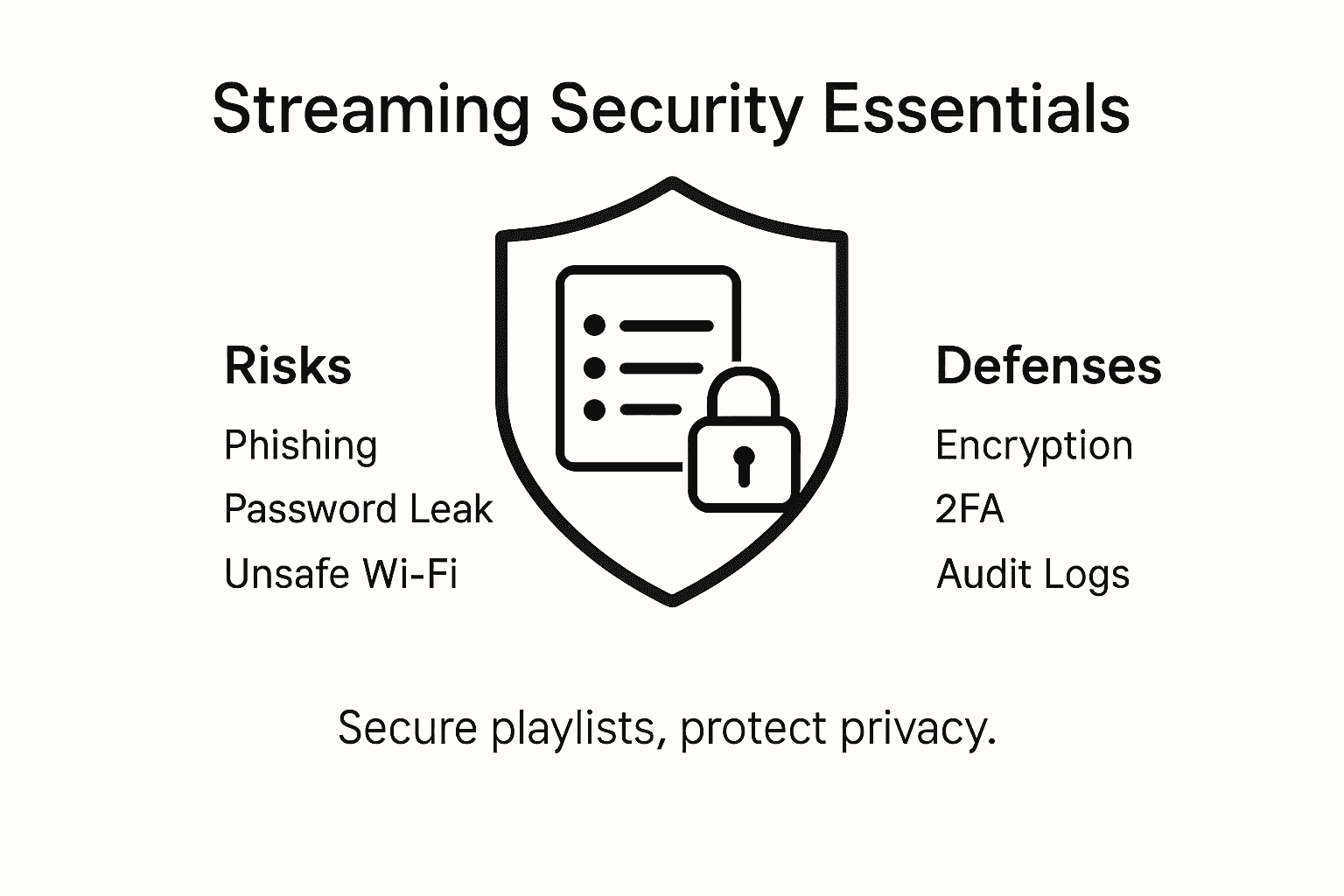
Följande tabell sammanfattar internationella dataskyddsregler som påverkar musikstreamingtjänster:
| Regelverk | Region/land | Fokus | Fördel för användaren |
|---|---|---|---|
| GDPR | Europeiska unionen | Dataskydd | Kontroll över egna uppgifter |
| CCPA | Kalifornien, USA | Konsumenträttigheter | Insyn, möjlighet att avstå från viss datahantering |
| PIPEDA | Kanada | Skydd av personuppgifter | Rätt till tillgång och rättelse |
| DRM | Internationellt | Innehållshantering | Förebygger missbruk av upphovsrättsskyddat material |
Att följa integritetsregler inom musikstreaming handlar om mer än att bocka av juridiska krav. Användare efterfrågar i allt större utsträckning ett heltäckande dataskydd som omfattar såväl personuppgifter som lyssningsvanor, spellistornas innehåll och algoritmbaserade rekommendationer. Streamingtjänster måste balansera tekniken för personanpassning mot strikta integritetsskydd och se till att användarna behåller kontrollen över sina digitala musikidentiteter.
Proffstips: Gå regelbundet igenom integritetsinställningarna på dina streamingplattformar och utnyttja din rätt att begära radering av uppgifter eller tacka nej till spårning.
Vanliga misstag och hur du undviker dem
Cybersäkerhetsforskning om musikstreamingplattformar visar på många allvarliga sårbarheter som användare ofta förbiser. Att förstå dessa vanliga misstag är första steget mot att skapa en robust säkerhetsstrategi för din digitala musik.
De vanligaste säkerhetsmisstagen är:
- Bristfällig lösenordshantering: Att använda samma lösenord på flera plattformar
- Att ignorera tvåfaktorsautentisering: Att hoppa över extra säkerhetslager
- Att förbise appbehörigheter: Att ge tredjepartsappar onödig åtkomst
- Att stänga av automatiska uppdateringar: Att låta bli att installera säkerhetsuppdateringar
- Att dela inloggningsuppgifter: Att äventyra kontots säkerhet
Cybersäkerhetsexperter lyfter fram specifika hot som uppstår till följd av dessa misstag. Nätfiskeattacker utnyttjar till exempel ofta användare som inte kontrollerar avsändaren till aviseringar tillräckligt noga eller som klickar på misstänkta länkar i meddelanden som verkar komma från streamingplattformar.
För att minska dessa risker behöver du arbeta förebyggande med goda digitala säkerhetsvanor. Det kräver ett helhetsgrepp om säkerheten med regelbundna lösenordsbyten, noggrann hantering av behörigheter och ständig vaksamhet mot möjliga digitala hot. Det innebär att du bör vara lika säkerhetsmedveten med dina musikstreamingkonton som med dina bank- eller e-postkonton.
Proffstips: Skapa unika, komplexa lösenord för varje musikstreamingtjänst och använd en välrenommerad lösenordshanterare för att hålla reda på och generera säkra inloggningsuppgifter.
Så skyddar du flera konton
Att skydda flera musikstreamingkonton kräver ett heltäckande och förebyggande arbete med digital säkerhet. Musikentusiaster med bred musiksmak har ofta konton på flera plattformar, vilket gör det mer komplicerat att upprätthålla en hög säkerhetsnivå.
Viktiga rutiner för att skydda flera streamingkonton är:
- Skapa unika lösenord: Använd ett separat lösenord för varje plattform
- Flerfaktorsautentisering: Aktivera ytterligare verifieringssteg
- Använd en lösenordshanterare: Lagra och generera komplexa inloggningsuppgifter på ett säkert sätt
- Regelbundna säkerhetsgranskningar: Se över kontoåtkomst och behörigheter med jämna mellanrum
- Övervaka kontoaktiviteten: Aktivera aviseringar om misstänkta inloggningsförsök
Cybersäkerhetsexperter rekommenderar att dessa rutiner tillämpas konsekvent för att minimera möjliga sårbarheter. Målet är att skapa ett skydd i flera lager som förhindrar obehörig åtkomst och skyddar personliga lyssningsdata på olika streamingplattformar.
Att följa dessa rutiner kräver disciplin och teknisk medvetenhet. Användare behöver se varje streamingkonto som en möjlig ingång för cyberangrepp och vara lika vaksamma som med sina bankkonton eller digitala jobbkonton. Det innebär att regelbundet uppdatera lösenord, granska tredjepartsappars behörigheter och hålla sig informerad om möjliga säkerhetsrisker.
Proffstips: Använd en välrenommerad lösenordshanterare som genererar och lagrar komplexa, unika lösenord för varje streamingtjänst, och aktivera tvåfaktorsautentisering där det är möjligt.
Flytta din musik tryggt och säkert
Artikeln lyfter fram viktiga säkerhetsutmaningar inom musikstreaming, som krypterad dataöverföring, säker autentisering och skydd av dina personliga spellistor när de flyttas. Om du vill undvika vanliga säkerhetsmisstag som svag lösenordshantering och att uppgifter röjs för obehöriga är det avgörande att välja en överföringslösning som prioriterar robusta säkerhetsfunktioner. Med FreeYourMusic.com får du en tillförlitlig plattform som är utformad för att skydda dina spellistor medan du enkelt flyttar dem mellan ledande streamingtjänster som Spotify, Apple Music och Amazon Music.
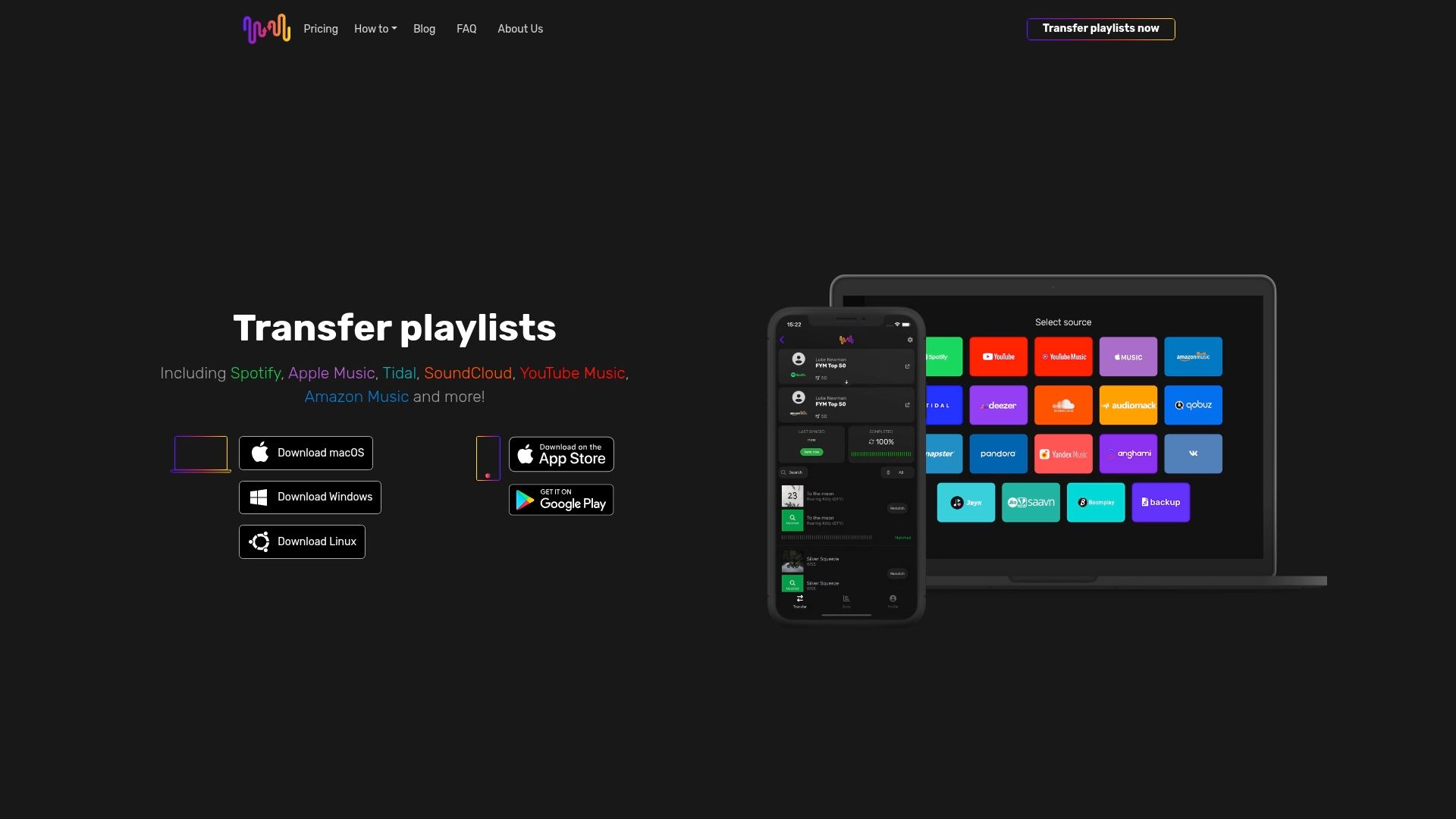
Känn dig trygg med att dina musiksamlingar skyddas genom krypterade överföringar och säker autentisering. Gör det enklare att flytta dina spellistor redan i dag och undvik riskerna för dataintrång eller förlorade spellistor. Besök FreeYourMusic.com nu och upptäck ett smidigt, säkert och tillförlitligt sätt att flytta dina musikbibliotek utan krångel.
Läs mer om våra säkerhetsfunktioner och hur vi skyddar dina personuppgifter på Free Your Musics startsida. Ta tryggt kontroll över din musikstreaming redan i dag.
Vanliga frågor
Vilka är de viktigaste säkerhetsåtgärderna vid musikstreaming?
De viktigaste säkerhetsåtgärderna är krypterad dataöverföring, tvåfaktorsautentisering, regelbundna säkerhetsgranskningar, noggrann kontroll av tredjepartsappars behörigheter och säker hantering av starka, unika lösenord.
Hur skyddar jag mina spellistor när jag flyttar dem till en ny plattform?
Skydda dina spellistor genom att använda verktyg som erbjuder krypterad dataöverföring, säker autentisering, minimal exponering av data och verifiering som bekräftar att överföringen har genomförts korrekt.
Vilka vanliga misstag bör jag undvika för att streama musik säkrare?
Vanliga misstag att undvika är att använda svaga lösenord, ignorera tvåfaktorsautentisering, förbise appbehörigheter, stänga av automatiska uppdateringar och dela inloggningsuppgifter.
Vilka rutiner rekommenderas för att skydda flera musikstreamingkonton?
Rekommenderade rutiner är att skapa unika lösenord för varje plattform, aktivera flerfaktorsautentisering, använda en lösenordshanterare, genomföra regelbundna säkerhetsgranskningar och övervaka kontoaktiviteten för att upptäcka misstänkta inloggningsförsök.
Rekommenderad läsning
- Free Your Music – Varför säkerhetskopiera spellistor? En utförlig förklaring
- Free Your Music – Förstå integritet vid musikstreaming: tips för användare
- Free Your Music – Vad innebär det att dela spellistor? En komplett användarguide
- Free Your Music – 7 smarta sätt att dela musik och hantera spellistor
Dina spellistor tillhör dig.
Sluta bygga om för hand. Flytta allt på några minuter och ta med dig musiken vart du vill.
Ladda ner gratis →SongsBrew — vårt gratis musiknyhetsbrev
En gratis förmån för FYM-användare. Tips, spellistor, ingen spam.