Die Rolle der Familie beim Musikstreaming – unkompliziert teilen und den Überblick behalten

Jede Familie, die einen gemeinsamen Musikstreaming-Account nutzt, kennt die Herausforderung: Wie lassen sich persönliche Vorlieben und gemeinsame Playlists unter einen Hut bringen? Digitale Plattformen verbinden Eltern, Geschwister und Kinder über Kontinente hinweg durch Musik. Damit wächst auch der Bedarf, Playlists übersichtlich zu organisieren und auf allen Geräten bequem darauf zuzugreifen. Dieser Leitfaden zeigt, wie gemeinsames Musikhören die Rollen innerhalb der Familie prägt, erklärt Kontofunktionen und gibt praktische Tipps für die reibungslose Übertragung von Playlists und gemeinsamen Musikgenuss.
Inhaltsverzeichnis
- Die Rollen der Familienmitglieder beim Musikstreaming
- Familienabos und Varianten gemeinsamer Konten
- Playlist-Verwaltung und einfacher Zugriff
- Datenschutz, Sicherheit und Kindersicherung
- Playlists als Familie effizient übertragen
Das Wichtigste auf einen Blick
| Punkt | Details |
|---|---|
| Die Rollen in der Familie bereichern das gemeinsame Musikhören | Familienmitglieder übernehmen unterschiedliche Rollen und sorgen so für musikalische Vielfalt: Eltern stellen Klassiker zusammen, Teenager entdecken neue Genres. |
| Umfangreiche Funktionen für Familienkonten | Moderne Streamingdienste bieten anpassbare Familienkonten mit individuellen Profilen und Inhaltsbeschränkungen für ein sicheres, persönliches Hörerlebnis. |
| Eine gute Playlist-Verwaltung ist entscheidend | Familien profitieren von vielseitigen Tools, mit denen sie persönliche und gemeinsame Playlists zusammenstellen können, sodass die Vorlieben aller berücksichtigt werden. |
| Regelmäßiger Austausch ist unverzichtbar | Gespräche in der Familie über Musikauswahl, Sicherheit und Vorlieben tragen zu einem gesunden Umgang mit digitaler Musik in jedem Alter bei. |
Die Rollen der Familienmitglieder beim Musikstreaming
Musikstreaming-Plattformen haben grundlegend verändert, wie Familien Musik gemeinsam erleben und miteinander teilen. Anders als früher ermöglichen moderne Streamingdienste heute vielfältige Formen der Zusammenarbeit: Familienmitglieder können gemeinsam Musik gestalten, auswählen und erleben. Dabei entstehen vielschichtige Wechselwirkungen, in denen persönliche Vorlieben mit der musikalischen Identität der Familie verschmelzen.
Beim Musikstreaming in der Familie übernehmen die einzelnen Mitglieder oft ganz von selbst bestimmte Rollen. Eltern treffen häufig die grundlegende Musikauswahl, bringen jüngeren Generationen klassische Alben näher und prägen so deren Musikgeschmack. Teenager und junge Erwachsene werden oft zu Trendscouts, die aktuelle Genres und aufstrebende Künstler in die gemeinsame Musikwelt der Familie einbringen. Geschwister können zwischen den musikalischen Vorlieben verschiedener Generationen vermitteln und generationenübergreifende Playlists erstellen, die alle zusammenbringen.
Technische Fortschritte haben diesen musikalischen Austausch innerhalb der Familie erheblich erweitert. Digitale Musikstreaming-Plattformen747252_EN.pdf) bieten inzwischen umfangreiche Funktionen für Familienkonten, die gleichzeitiges Hören, persönliche Empfehlungen und das gemeinsame Erstellen von Playlists ermöglichen. Damit können Familien auch über räumliche Entfernungen hinweg musikalisch verbunden bleiben und Musik über verschiedene Orte und Generationen hinweg gemeinsam erleben.
Praxistipp: Plant einmal im Monat eine gemeinsame Musikrunde, in der jedes Familienmitglied seine liebsten Neuentdeckungen vorstellt. So bleibt ihr im Austausch und lernt den Musikgeschmack der anderen besser kennen.
Hier findest du einen Überblick über typische Rollen in der Familie und ihren Einfluss auf das gemeinsame Musikstreaming:
| Rolle in der Familie | Typische Aufgaben | Einfluss auf das gemeinsame Hörerlebnis |
|---|---|---|
| Elternteil | Klassiker auswählen und vorstellen | Musikalische Vorlieben grundlegend prägen |
| Teenager/junger Erwachsener | Neue Genres und Künstler entdecken | Die musikalische Vielfalt der Familie erweitern |
| Geschwister | Zwischen Generationen vermitteln | Die gemeinsame Arbeit an Playlists fördern |
| Kind | Altersgerechte Musik entdecken | Auch die Wünsche der Jüngsten einbringen |
Familienabos und Varianten gemeinsamer Konten
Moderne Musikstreaming-Dienste haben mit vielseitig konfigurierbaren Familienkonten verändert, wie Familien ihren digitalen Musikalltag organisieren. Diese Abos bieten weit mehr als einen Zugang für mehrere Personen. Sie schaffen flexible Möglichkeiten, Musik gemeinsam zu nutzen und dabei unterschiedliche Familienkonstellationen und persönliche Vorlieben zu berücksichtigen.
Familienabos umfassen in der Regel mehrere Nutzerprofile mit klaren Vorteilen. Die meisten Dienste erlauben 4–6 individuelle Konten innerhalb eines einzigen Abos. So kann jedes Familienmitglied eigene Playlists, Hörverläufe und Empfehlungen behalten. Die zentrale Kontoverwaltung liegt häufig bei den Eltern. Dazu gehören das Festlegen von Inhaltsbeschränkungen, das Überprüfen der Nutzung und die Verwaltung der Zahlungen. Einige besonders umfangreiche Plattformen bieten sogar detaillierte Berechtigungen, mit denen Eltern den Zugang für jüngere Familienmitglieder anpassen können, ohne deren musikalische Eigenständigkeit einzuschränken.
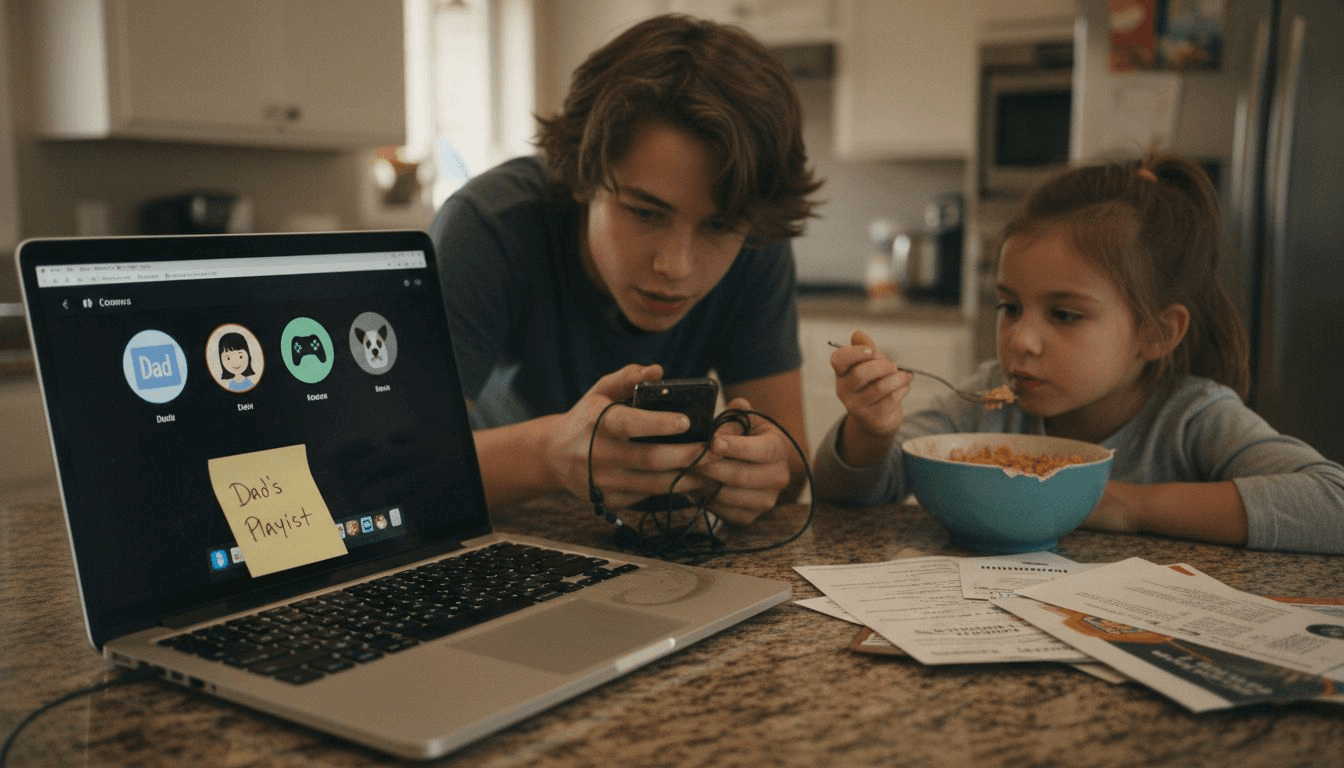
Die technische Infrastruktur hinter diesen gemeinsamen Konten ist ausgesprochen komplex. Streaming-Plattformen setzen ausgefeilte Algorithmen ein, die individuelle Hörerlebnisse ermöglichen und zugleich den Austausch innerhalb der Familie unterstützen. So können Teenager aktuelle Musikgenres entdecken, ohne die Classic-Rock-Playlists ihrer Eltern durcheinanderzubringen. Geschwister können innerhalb desselben Haushaltskontos ihren eigenen Musikgeschmack entwickeln. Das Ergebnis ist ein dynamisches, flexibles System, das persönliche Vorlieben und die musikalische Verbundenheit der Familie gleichermaßen berücksichtigt.
Praxistipp: Prüfe alle drei Monate die Funktionen eures Familienabos, damit ihr alle verfügbaren Möglichkeiten zum Teilen und Personalisieren optimal nutzt.
Die folgende Tabelle zeigt wichtige Funktionen von Familienkonten und ihre Vorteile:
| Funktion | Vorteil für einzelne Nutzer | Vorteil für die Familie |
|---|---|---|
| Getrennte Profile | Persönliche Empfehlungen | Verhindert, dass sich Playlists vermischen |
| Inhaltsbeschränkungen | Kontrolle durch die Eltern | Sichereres Musikhören für Kinder |
| Gemeinsame Playlists | Musik zusammen auswählen | Stärkt das Miteinander in der Familie |
| Kontoberechtigungen | Anpassbare Zugriffsrechte | Flexibilität für jedes Alter |
Playlist-Verwaltung und einfacher Zugriff
Musikstreaming-Plattformen haben sich weiterentwickelt, um die vielfältigen Herausforderungen zu lösen, denen Familien bei der Organisation ihrer gemeinsamen Musikwelt begegnen. Playlists zusammenzustellen, zu teilen und an persönliche Vorlieben anzupassen, gehört heute zu den wichtigsten Funktionen beim digitalen Musikhören. Das gilt besonders für Haushalte mit unterschiedlichem Musikgeschmack und verschiedenen Anforderungen an die Zugänglichkeit.
Die Playlist-Verwaltung in der Familie geht weit über einfache Songsammlungen hinaus. Fortschrittliche Streaming-Plattformen bieten inzwischen vielseitige Tools, die unterschiedliche Bedürfnisse innerhalb eines Haushalts berücksichtigen. Intelligente Algorithmen unterscheiden zwischen einzelnen Hörprofilen. So können Familienmitglieder eigene Playlists erstellen und gleichzeitig gemeinsame Bereiche nutzen. Eltern können beispielsweise altersgerechte Playlists für jüngere Kinder zusammenstellen, während Teenager ihren eigenen musikalischen Interessen nachgehen, ohne die Gesamtstruktur des Familienkontos durcheinanderzubringen.
Auch die Technik, die den Zugriff auf passende Playlists ermöglicht, wird immer differenzierter. Um Hörer langfristig zu binden, setzen Plattformen inzwischen auf personalisierte Empfehlungssysteme, die sich an die individuellen Hörgewohnheiten jedes Familienmitglieds anpassen. Diese intelligenten Systeme analysieren persönliche Vorlieben, Hörgewohnheiten in unterschiedlichen Situationen und musikalische Trends innerhalb der Familie, um dynamische Playlist-Vorschläge zu erstellen. So erhält jeder ein passendes Hörerlebnis, während das gemeinsame Musikhören weiterhin verbindet.
Praxistipp: Erstellt eine gemeinsame Familienplaylist, zu der jedes Mitglied einmal im Monat einen Song beiträgt. So entdeckt ihr neue Musik und lernt die Vorlieben der anderen kennen.
Datenschutz, Sicherheit und Kindersicherung
Musikstreaming-Plattformen haben immer ausgefeiltere Kindersicherungen entwickelt, die den vielfältigen Herausforderungen des digitalen Musikhörens in Familien begegnen. Diese Funktionen gehen über einfache Inhaltsfilter hinaus und ermöglichen es, das Hörerlebnis an unterschiedliche Altersgruppen und individuelle Datenschutzbedürfnisse anzupassen.
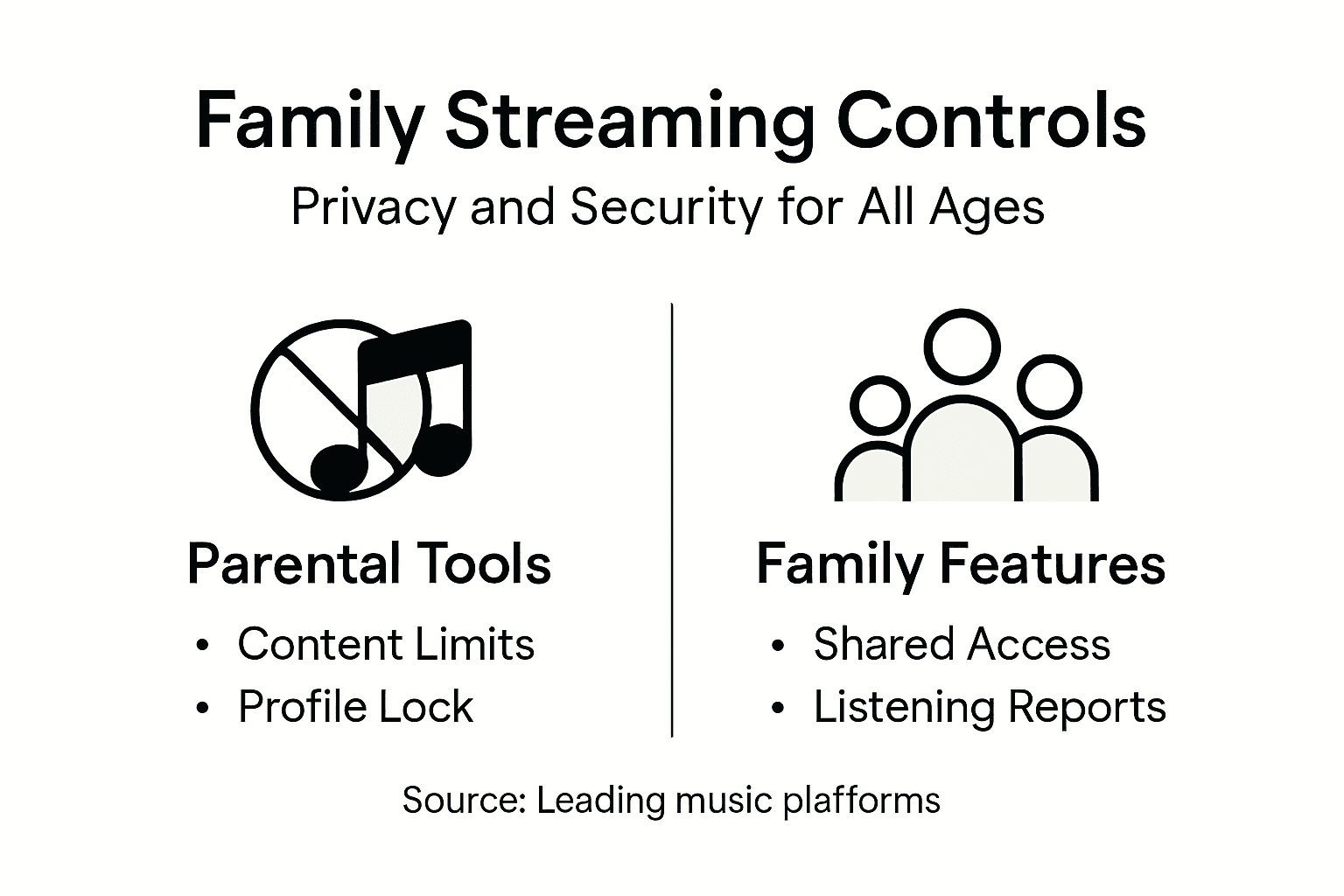
Bei Sicherheitsfunktionen kommt es auf ein ausgewogenes Verhältnis zwischen Schutz und persönlicher Freiheit an. Fortschrittliche Streamingdienste bieten inzwischen detaillierte Einstellungen, mit denen Eltern eine passende Hörumgebung schaffen können. Dazu zählen Filter für explizite Inhalte, zeitliche Hörlimits und Funktionen zur Nutzungsübersicht, die Einblicke geben, ohne Kindern ihre musikalische Eigenständigkeit vollständig zu nehmen. Eltern können für jedes Familienmitglied unterschiedliche Berechtigungen festlegen, um einen altersgerechten Zugang zu ermöglichen und zugleich das gesamte Konto abzusichern.
Ansätze für einen sicheren Umgang mit digitalen Medien betonen, wie wichtig es ist, Datenschutz und Sicherheit gemeinsam anzugehen. Ein gelungener Musikstreaming-Alltag in der Familie lebt neben technischen Schutzmaßnahmen auch vom regelmäßigen Austausch über digitale Sicherheit, Musikauswahl und persönliche Grenzen. Am wirksamsten sind Kindersicherungen, die Gespräche anregen und es Familienmitgliedern ermöglichen, ihren Umgang mit digitaler Musik offen und respektvoll miteinander abzustimmen.
Praxistipp: Plant alle drei Monate ein Familiengespräch über Sicherheit beim digitalen Musikhören. Prüft dabei gemeinsam eure Datenschutzeinstellungen und passt sie bei Bedarf an, damit ihr im offenen Austausch bleibt.
Playlists als Familie effizient übertragen
Wer Musiksammlungen über mehrere Streaming-Plattformen hinweg verwaltet, braucht ein durchdachtes Vorgehen, das den persönlichen Wert und die sorgfältige Struktur der Familienplaylists bewahrt. Bewährte Vorgehensweisen für die Playlist-Übertragung zu kennen, ist für Familien entscheidend, die ihre Musik bei verschiedenen Streamingdiensten nahtlos weiterhören möchten.
Bei der Übertragung von Playlists geht es um mehr als das Verschieben von Songs von einer Plattform auf eine andere. Familien müssen darauf achten, dass ihre Playlists vollständig und unverändert erhalten bleiben. Dazu gehören die Reihenfolge der Songs, die Verwaltung der Metadaten und die korrekte Zuordnung der Titel. Fortschrittliche Übertragungstools nutzen inzwischen ausgefeilte Algorithmen, um Songs auf verschiedenen Streaming-Plattformen einander zuzuordnen. Das verringert den manuellen Aufwand und das Risiko, Teile sorgfältig zusammengestellter Musiksammlungen zu verlieren.
Mit der Größe der Familie und ihrer musikalischen Vielfalt steigt auch die technische Komplexität der Playlist-Übertragung. Eltern und Kinder pflegen häufig getrennte Musikbibliotheken, die jeweils eine eigene Vorgehensweise erfordern. Einige Übertragungslösungen bieten inzwischen gemeinsame Funktionen, mit denen Familienmitglieder Playlist-Übertragungen prüfen und freigeben können. So bleiben die musikalischen Vorlieben und die Besonderheiten der Playlists jedes Einzelnen beim Wechsel berücksichtigt.
Praxistipp: Exportiert eure Playlists vor jeder Übertragung als Sicherung, damit ihr eine zusätzliche Kopie eurer Musiksammlungen habt.
Einfacheres Musikstreaming für deine Familie durch nahtlose Playlist-Übertragungen
Die unterschiedlichen Musikvorlieben aller Familienmitglieder unter einen Hut zu bringen, kann eine Herausforderung sein. Dieser Artikel zeigt, welche wichtigen Rollen Familienmitglieder beim Streaming übernehmen: Eltern stellen Klassiker zusammen, Teenager entdecken neue Genres. Gemeinsame Playlists zu verwalten, die Kindersicherung einzurichten und die persönlichen Vorlieben jedes Einzelnen zu bewahren, ist entscheidend für unkompliziertes gemeinsames Musikhören. Wenn die Playlist-Verwaltung unübersichtlich wird oder ihr einen Wechsel des Musikstreaming-Dienstes plant, bietet FreeYourMusic.com eine zuverlässige Lösung, die euch den Übergang erleichtert.
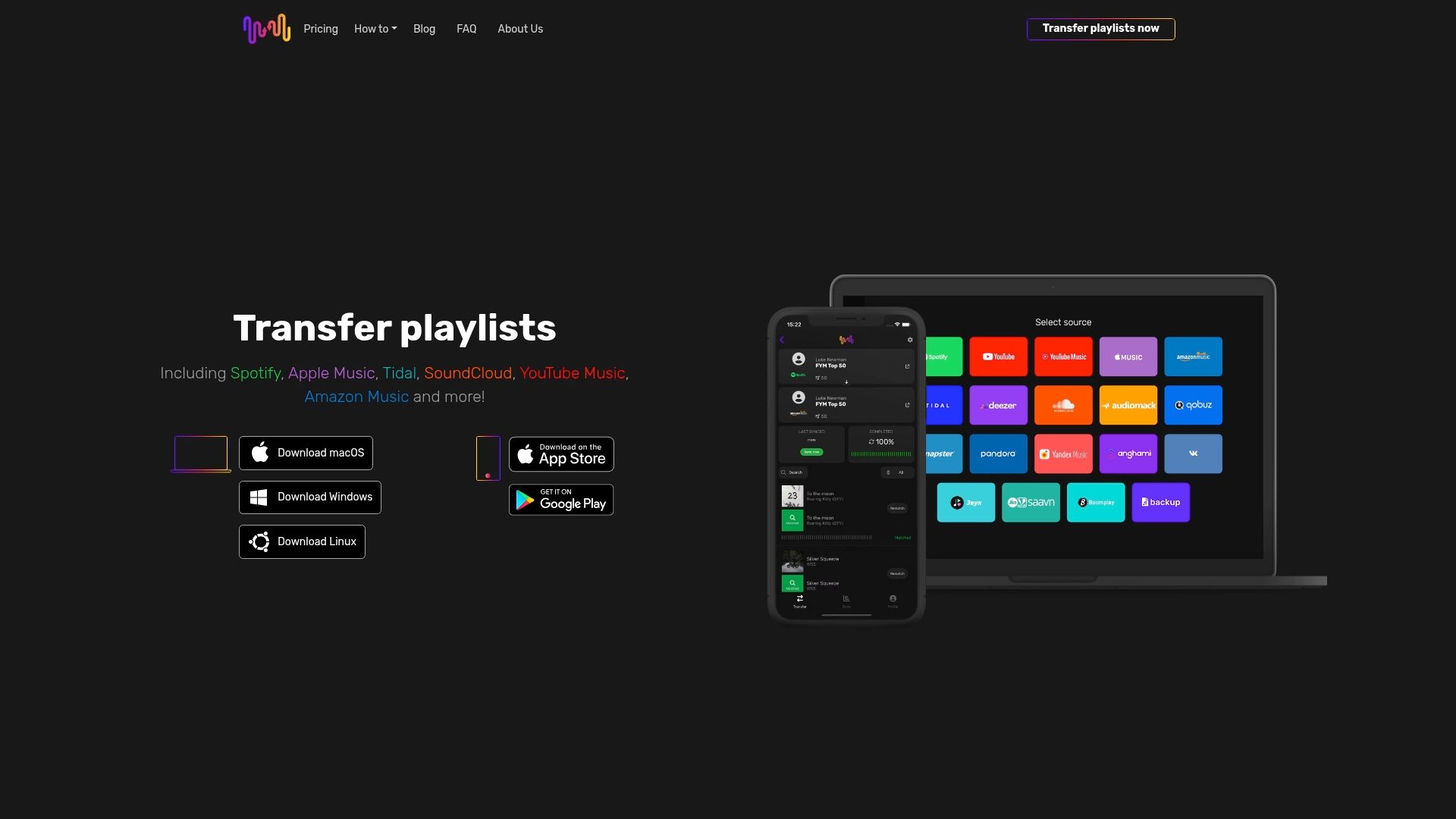
Erlebe eine mühelose Playlist-Übertragung, die den individuellen Musikgeschmack deiner Familie berücksichtigt. Unsere Plattform unterstützt Übertragungen für mehrere Konten und bewahrt die Reihenfolge und Struktur eurer Playlists. So erspart ihr euch den Frust, Sammlungen von Hand neu aufbauen zu müssen. Nimm das gemeinsame Musikhören deiner Familie noch heute in die Hand: Besuche FreeYourMusic.com und entdecke, wie einfach jedes Familienmitglied seine Lieblingsmusik bei Spotify, Apple Music, Tidal und weiteren Diensten behalten kann. Warte nicht, bis der nächste Dienstwechsel euren gemeinsamen Musikalltag kompliziert macht. Vereinfache ihn jetzt mit nahtlosen Playlist-Übertragungen, damit eure Lieblingsmusik ohne Unterbrechung weiterläuft.
Häufig gestellte Fragen
Wie können Familienmitglieder Musik auf Streaming-Plattformen unkompliziert miteinander teilen?
Mit gemeinsamen Playlists und Familienkonten können Familienmitglieder Musik ganz einfach teilen. So lassen sich Playlists zusammen erstellen und pflegen, während individuelle Vorlieben weiterhin Platz haben.
Welche Rollen spielen die einzelnen Familienmitglieder bei der Entwicklung musikalischer Vorlieben auf Streamingdiensten?
Eltern übernehmen oft die Musikauswahl und stellen Klassiker vor. Teenager und junge Erwachsene entdecken neue Genres, während Geschwister zwischen den Generationen vermitteln. Zusammen sorgen sie für ein vielseitiges Musikerlebnis in der Familie.
Wie können Familien eine passende Kindersicherung bei Musikstreaming-Diensten einrichten?
In den Kontoeinstellungen können Familien Inhaltsbeschränkungen anpassen, die Nutzung überprüfen und zeitliche Hörlimits festlegen. So entsteht eine sichere Umgebung für Kinder, die zugleich Raum für persönliche Freiheit lässt.
Welche Vorgehensweisen haben sich beim Übertragen von Familienplaylists zwischen Streamingdiensten bewährt?
Bewährt haben sich spezialisierte Übertragungstools, die die Reihenfolge der Songs und Metadaten erhalten, sowie Sicherungsexporte der Playlists vor der Übertragung. Außerdem sollten Familienmitglieder den Wechsel gemeinsam abstimmen, damit ihre individuellen Vorlieben berücksichtigt werden.
Empfehlungen
- Free Your Music – 7 wichtige Funktionen von Musikstreaming-Diensten, die du kennen solltest
- Free Your Music – Warum Musikstreaming nutzen? Die umfassende Erklärung
- Free Your Music – Musikstreaming-Ökosysteme verstehen und definieren
- Free Your Music – Warum Musikstreaming nutzen? Die umfassende Erklärung
Deine Playlists gehören dir.
Hör auf, von Hand neu aufzubauen. Verschiebe alles in Minuten und nimm deine Musik überallhin mit.
Kostenlos herunterladen →SongsBrew — unser kostenloser Musik-Newsletter
Ein kostenloser Vorteil für FYM-Nutzer. Tipps, Playlists, kein Spam.