Kompatybilność serwisów streamingu muzyki: kompletny przewodnik

Ponad 80 procent amerykańskich miłośników muzyki korzysta dziś z wielu platform streamingowych, aby słuchać ulubionych utworów. Ta szybka zmiana przyniosła nowe wyzwania związane z zachowaniem playlist, rekomendacji i kolekcji muzycznych podczas korzystania z różnych serwisów. Gdy kompatybilność zawodzi, użytkownicy mogą stracić utwory pieczołowicie zapisywane przez lata oraz własne playlisty. Zrozumienie zasad współpracy między platformami pomaga chronić muzyczną tożsamość i ułatwia słuchanie muzyki w sposób dopasowany do współczesnych cyfrowych nawyków.
Spis treści
- Podstawy kompatybilności serwisów streamingu muzyki
- Obsługiwane platformy i różnice między serwisami
- Jak działa przenoszenie i synchronizacja playlist
- Kluczowe funkcje wpływające na korzystanie z różnych serwisów
- Typowe problemy z kompatybilnością i ich rozwiązania
Najważniejsze informacje
| Zagadnienie | Szczegóły |
|---|---|
| Kompatybilność serwisów streamingu muzyki | Umożliwia płynne przenoszenie playlist i preferencji użytkowników między platformami bez utraty danych ani pogorszenia komfortu korzystania. |
| Różnice między obsługiwanymi platformami | Serwisy streamingowe różnią się jakością dźwięku, katalogami treści i modelami subskrypcji, co wpływa na wybór użytkowników. |
| Mechanizmy przenoszenia playlist | Obejmują złożone procesy dopasowywania metadanych i zachowywania playlist tworzonych przez użytkowników, aby ułatwić zmianę platformy. |
| Typowe problemy z kompatybilnością | Niespójne metadane, różnice w formatach audio i ograniczenia regionalne mogą utrudniać korzystanie z serwisów. |
Podstawy kompatybilności serwisów streamingu muzyki
Kompatybilność serwisów streamingu muzyki oznacza możliwość płynnego przenoszenia, synchronizowania i zachowywania kolekcji muzycznych użytkownika w różnych usługach. Jej podstawowym zadaniem jest umożliwienie przeniesienia starannie ułożonych playlist, ulubionych utworów i preferencji słuchania między platformami bez utraty danych ani muzycznego kontekstu.
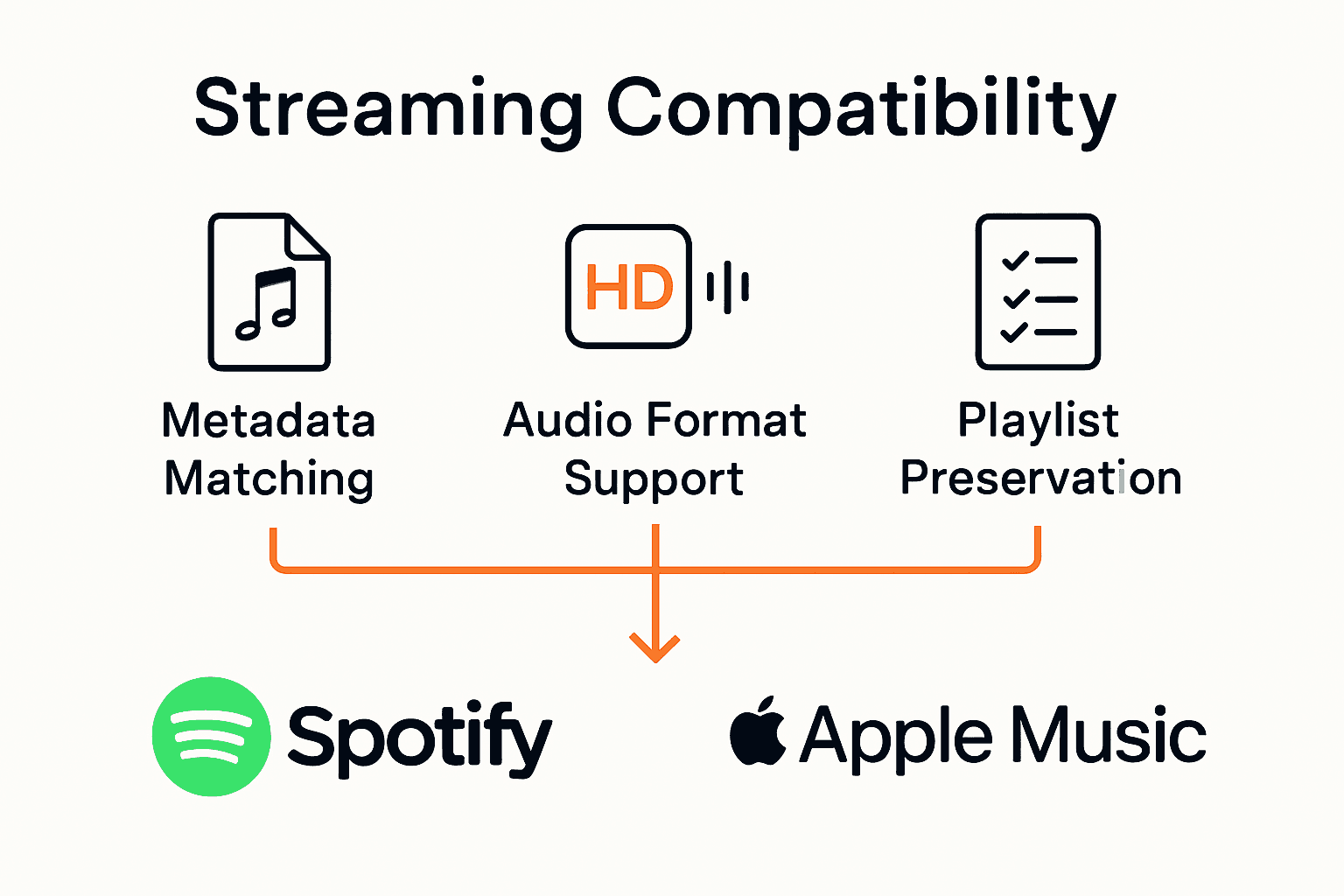
Jak wynika z badania opublikowanego w arXiv, zrozumienie kompatybilności ma kluczowe znaczenie w obliczu zmieniających się preferencji i nawyków słuchaczy. Badanie pokazuje, że platformy streamingowe potrzebują zaawansowanych mechanizmów rozpoznawania preferencji muzycznych i odwzorowywania ich w różnych ekosystemach technologicznych. Kompatybilność serwisów streamingu muzyki wykracza poza zwykłe przenoszenie utworów — obejmuje złożone procesy dopasowywania metadanych, zachowywania struktury playlist i dbania o szczegóły, które składają się na komfort użytkownika.
Kluczowe aspekty kompatybilności serwisów streamingu muzyki to:
- Dokładne odwzorowanie metadanych utworów i albumów
- Zachowanie kolejności utworów i struktury playlist
- Zachowanie metadanych tworzonych przez użytkowników, w tym własnych playlist
- Obsługa różnych standardów kodowania i jakości dźwięku
- Obsługa synchronizacji playlist między platformami
Badania dotyczące wzorców interakcji użytkowników, opublikowane w arXiv, podkreślają, że prawdziwa kompatybilność nie sprowadza się do przenoszenia plików. Wymaga zrozumienia złożonych zachowań użytkowników, nawyków słuchania oraz ograniczeń technologicznych występujących między platformami. Skuteczna kompatybilność serwisów streamingu muzyki zmienia potencjalnie frustrujący proces ręcznego przenoszenia kolekcji w płynne i wygodne doświadczenie.
Ostatecznie kompatybilność daje użytkownikom swobodę odkrywania różnych platform bez utraty muzycznej tożsamości. Stawiając na łatwą zmianę serwisu i zachowanie danych, usługi streamingowe mogą tworzyć bardziej elastyczne środowisko słuchania, dopasowane do potrzeb odbiorców. Zajrzyj do naszego obszernego przewodnika po funkcjach platform streamingu muzyki, aby dowiedzieć się więcej o tym, jak te systemy działają od środka.
Obsługiwane platformy i różnice między serwisami
Serwisy streamingu muzyki tworzą dziś zróżnicowany ekosystem platform oferujących własne funkcje, formaty audio i zasięg regionalny. Sposoby korzystania z muzyki cyfrowej znacznie się rozwinęły, dając użytkownikom niespotykany wcześniej wybór możliwości dostępu do muzyki i słuchania jej w różnych środowiskach technologicznych.
Niektóre platformy oferują specjalistyczne funkcje, które wyróżniają je na rynku. Wikipedia wskazuje jako przykład Qobuz — serwis streamingu muzyki dostępny w 26 krajach, obsługujący wiele formatów audio, w tym MP3, dźwięk bezstratny w jakości CD oraz dźwięk bezstratny o wysokiej rozdzielczości. Pokazuje to, jak złożone i zróżnicowane są współczesne platformy streamingu muzyki.
Najważniejsze różnice między platformami streamingu muzyki obejmują:
- Różne opcje jakości dźwięku (standardowa, wysoka rozdzielczość, bezstratna)
- Regionalną dostępność treści
- Własne systemy metadanych i zarządzania playlistami
- Specjalizację w określonych gatunkach lub stylach muzycznych
- Różne modele subskrypcji i cenniki
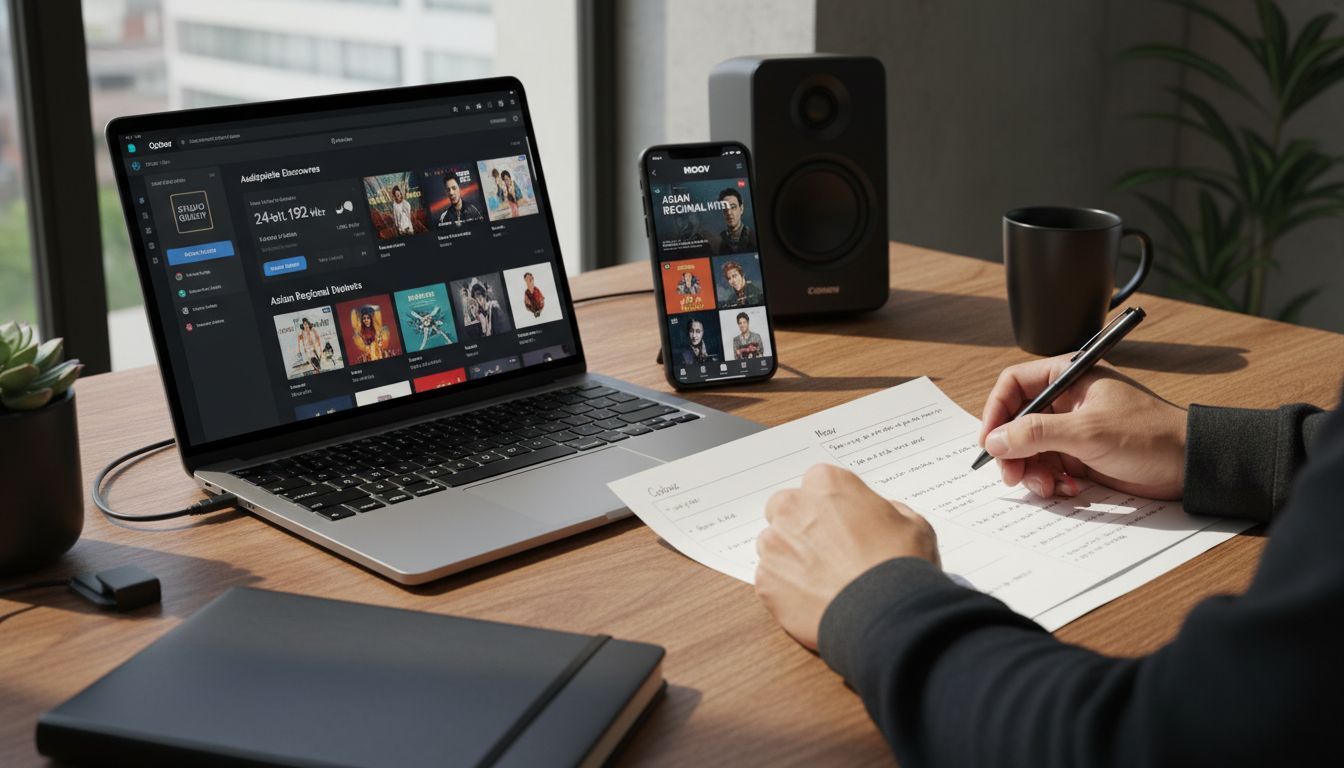
Wikipedia podaje też inny ciekawy przykład: Moov, serwis streamingowy skupiony na wybranych rynkach azjatyckich, takich jak Hongkong i Chiny kontynentalne. Oferuje on dźwięk bezstratny, teledyski w wysokiej rozdzielczości oraz treści na wyłączność. Te regionalne różnice pokazują, jak platformy streamingu muzyki dostosowują się do lokalnego popytu i infrastruktury technologicznej. Dowiedz się więcej o kluczowych funkcjach streamingu muzyki z naszego obszernego przewodnika.
Zrozumienie różnic między platformami ma kluczowe znaczenie dla miłośników muzyki szukających serwisu najlepiej dopasowanego do swoich potrzeb. Każda usługa ma własne atuty: jakość dźwięku, katalog treści, interfejs lub specjalistyczne funkcje. Dzięki temu słuchacze mogą wybrać platformę odpowiadającą ich gustom muzycznym i wymaganiom technicznym.
Jak działa przenoszenie i synchronizacja playlist
Przenoszenie i synchronizacja playlist to złożone procesy technologiczne, które pozwalają użytkownikom płynnie przenosić kolekcje muzyczne między platformami streamingowymi. Te zaawansowane mechanizmy obejmują wiele etapów dopasowywania metadanych, identyfikowania utworów oraz zachowywania struktury playlist tworzonych przez użytkowników.
Wikipedia przybliża współczesne technologie przenoszenia muzyki, wskazując, że zaawansowane platformy, takie jak Trebel, oferują przechowywanie danych w chmurze i funkcje identyfikacji utworów, które ułatwiają zarządzanie playlistami i ich synchronizację. Głównym wyzwaniem jest dokładne odwzorowanie metadanych muzycznych w ekosystemach różnych serwisów streamingowych.
Przenoszenie i synchronizacja playlist zazwyczaj obejmują następujące etapy:
- Analiza metadanych utworów na różnych platformach
- Dopasowywanie utworów za pomocą unikalnych identyfikatorów
- Zachowanie kolejności utworów i struktury playlist
- Uwzględnianie potencjalnych różnic w formatach audio
- Uwzględnianie potencjalnych różnic w katalogach muzycznych
Wikipedia pokazuje złożoność synchronizacji między platformami na przykładzie takich rozwiązań jak MusikCube — platforma audio obsługiwana z poziomu terminala, wspierająca wiele kodeków audio i funkcje strumieniowania. Ilustruje to, jak zaawansowane rozwiązania technologiczne mogą niwelować różnice między środowiskami streamingu muzyki. Poznaj sposoby sprawnego przenoszenia playlist w naszym obszernym przewodniku.
Skuteczne przenoszenie playlist wymaga inteligentnych algorytmów, które potrafią poradzić sobie ze złożonością cyfrowych platform muzycznych. Zrozumienie technicznych niuansów dopasowywania metadanych i kompatybilności między platformami pomaga użytkownikom bez wysiłku zachować swoje kolekcje muzyczne, niezależnie od wybranego serwisu streamingowego.
Kluczowe funkcje wpływające na korzystanie z różnych serwisów
Kompatybilność między serwisami streamingu muzyki zależy od wielu złożonych funkcji, które decydują o tym, jak płynnie użytkownicy mogą przechodzić z jednej platformy na drugą. Funkcje te wykraczają daleko poza samo przenoszenie utworów. Obejmują zarówno kwestie technologiczne, jak i wygodę korzystania, bezpośrednio wpływając na możliwość zachowania własnego muzycznego świata.
Badania opublikowane w arXiv podkreślają kluczową rolę systemów rekomendacji na platformach streamingu muzyki, pokazując, jak propozycje algorytmów i redakcji wpływają na kompatybilność między serwisami. Mechanizmy rekomendacji odgrywają zasadniczą rolę w rozpoznawaniu preferencji użytkowników, co może umożliwiać bardziej inteligentne przenoszenie playlist między różnymi środowiskami streamingowymi, z uwzględnieniem subtelnych różnic w gustach słuchaczy.
Kluczowe funkcje i cechy wpływające na korzystanie z różnych serwisów obejmują:
- Standaryzację metadanych i dokładność dopasowywania
- Złożoność rekomendacji algorytmicznych
- Zgodność pod względem jakości dźwięku i formatów kodowania
- Zachowanie struktury playlist
- Unikalne treści muzyczne dostępne tylko na danej platformie
- Śledzenie historii słuchania i preferencji użytkownika
- Różnice w playlistach redakcyjnych i sposobie doboru muzyki
Dalsze analizy opublikowane w arXiv omawiają niuanse streamingu muzyki, podkreślając, że takie czynniki jak przejrzystość działania i faworyzowanie popularnych treści mogą stwarzać dodatkowe wyzwania dla kompatybilności między serwisami. Wnioski te pokazują, że skuteczna współpraca platform wymaga czegoś więcej niż rozwiązań technicznych — niezbędne jest całościowe zrozumienie oczekiwań użytkowników i różnorodności treści. Poznaj dobre praktyki przenoszenia playlist w naszym obszernym przewodniku.
Ostatecznie kompatybilność między serwisami wymaga zachowania delikatnej równowagi między innowacjami technologicznymi, projektowaniem wygodnej obsługi i ekosystemami muzycznymi poszczególnych platform. Wraz z rozwojem usług streamingowych możliwość płynnego przechodzenia między nimi staje się coraz ważniejsza dla miłośników muzyki, którzy oczekują elastyczności i pełnego dostępu do ulubionych utworów.
Typowe problemy z kompatybilnością i ich rozwiązania
Problemy z kompatybilnością serwisów streamingu muzyki wynikają ze złożonych różnic technologicznych między platformami. Obejmują zarówno ograniczenia techniczne związane z metadanymi, jak i różnice w obsłudze, które mogą utrudniać płynne przenoszenie kolekcji muzycznych oraz zarządzanie playlistami.
DevOps School przybliża złożone zagadnienie kompatybilności strumieniowania dźwięku, wskazując na różnorodne trudności napotykane przez użytkowników próbujących przenieść się między platformami muzycznymi. Ich źródłem są różnice w technologiach stosowanych przez poszczególne platformy, standardach metadanych i projektowaniu interfejsów.
Typowe problemy z kompatybilnością obejmują:
- Niespójne metadane utworów na różnych platformach
- Różnice w kodowaniu dźwięku i formatach o różnej jakości
- Różnice w strukturze i organizacji playlist
- Regionalne ograniczenia dostępności treści
- Licencje na utwory obowiązujące tylko na określonych platformach
- Błędy w dopasowywaniu metadanych
- Niepełne lub częściowe przeniesienie playlist
Muvi podkreśla znaczenie kompleksowych rozwiązań tych problemów, takich jak obsługa wielu formatów audio i wdrażanie bezpiecznych mechanizmów dostarczania treści. Takie podejście pomaga niwelować różnice między ekosystemami streamingowymi. Zajrzyj do naszego przewodnika po dobrych praktykach przenoszenia playlist, aby dowiedzieć się więcej o radzeniu sobie z tymi trudnościami.
Skuteczne rozwiązania problemów z kompatybilnością wymagają zaawansowanych algorytmów, które potrafią inteligentnie dopasowywać utwory, zachowywać playlisty w całości i uwzględniać subtelne różnice między platformami streamingowymi. W miarę rozwoju cyfrowego rynku muzycznego użytkownicy potrzebują niezawodnych narzędzi, które pozwolą płynnie odwzorowywać ich kolekcje w różnych środowiskach technologicznych.
Ułatw sobie korzystanie z różnych serwisów streamingu muzyki już dziś
Artykuł pokazuje złożoność kompatybilności serwisów streamingu muzyki, w tym precyzyjnego dopasowywania metadanych, zachowywania struktury playlist i synchronizacji między usługami. Jeśli utrata playlist lub godziny spędzone na ich odtwarzaniu przy zmianie platformy były dla Ciebie źródłem frustracji, wiele osób zna to uczucie. Wielu miłośników muzyki staje przed wyzwaniem zachowania swojej muzycznej tożsamości w Spotify, Apple Music, Tidal i innych serwisach bez technicznych komplikacji.
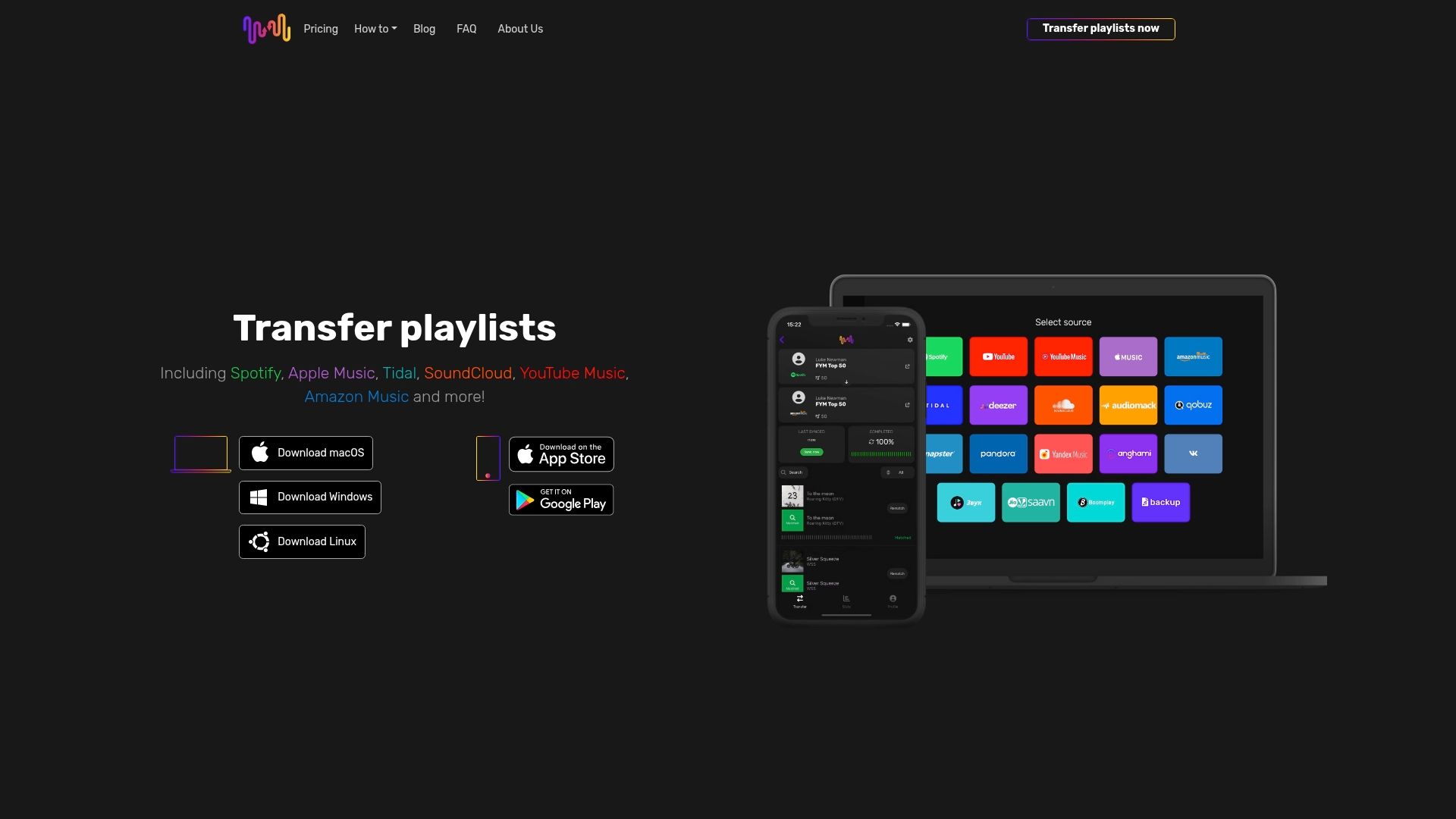
FreeYourMusic.com oferuje skuteczne rozwiązanie stworzone właśnie z myślą o tych trudnościach. Dzięki automatycznemu przenoszeniu playlist, nieograniczonym możliwościom synchronizacji i precyzyjnemu dopasowywaniu utworów możesz bez wysiłku przenieść całą bibliotekę muzyczną. Nie musisz już martwić się o jakość dźwięku, kolejność utworów na playlistach ani różnice między platformami.
Odkryj, jak odzyskać kontrolę nad playlistami i już teraz cieszyć się płynnym korzystaniem ze streamingu muzyki.
Zmieniaj platformy bez problemów dzięki naszej prostej w obsłudze aplikacji https://freeyourmusic.com.
Zrób pierwszy krok do przenoszenia muzyki bez stresu. Odwiedź FreeYourMusic.com, zacznij przenosić playlisty już dziś i nigdy więcej nie trać swojej kolekcji muzycznej. Aby lepiej poznać dobre praktyki przenoszenia playlist, sięgnij po nasz przewodnik po sposobach ich sprawnego transferu. Ciesz się pełną muzyczną swobodą bez ograniczeń.
Najczęściej zadawane pytania
Czym jest kompatybilność serwisów streamingu muzyki?
Kompatybilność serwisów streamingu muzyki to zdolność różnych cyfrowych platform muzycznych do płynnego przenoszenia, synchronizowania i zachowywania kolekcji użytkowników w wielu usługach, z zachowaniem danych i komfortu korzystania.
Jak działa przenoszenie i synchronizacja playlist?
Przenoszenie i synchronizacja playlist obejmują złożone procesy, takie jak dopasowywanie metadanych utworów, zachowywanie struktury playlist i uwzględnianie różnic w formatach audio. Dzięki nim użytkownicy mogą płynnie przenosić swoje kolekcje między platformami streamingowymi.
Jakie problemy z kompatybilnością najczęściej występują przy korzystaniu z wielu serwisów streamingu muzyki?
Typowe problemy obejmują niespójne metadane utworów, różnice w kodowaniu dźwięku i organizacji playlist oraz regionalne ograniczenia dostępności treści. Mogą one utrudniać przenoszenie kolekcji muzycznych.
Jak ułatwić sobie korzystanie z różnych serwisów streamingu muzyki?
Wybieraj platformy oferujące rozbudowane funkcje zarządzania playlistami, sprawdzaj zgodność formatów audio i korzystaj z narzędzi do sprawnego dopasowywania metadanych oraz przenoszenia playlist. Dzięki temu łatwiej przejdziesz między serwisami muzycznymi.
Polecane
- Free Your Music - 7 niezbędnych funkcji streamingu muzyki, których potrzebujesz
- Free Your Music - 7 kluczowych funkcji serwisów streamingu muzyki, które warto znać
- Free Your Music - 7 najważniejszych wskazówek dla użytkowników streamingu muzyki
- Free Your Music - Dlaczego warto korzystać ze streamingu muzyki? Kompleksowe wyjaśnienie
Twoje playlisty należą do Ciebie.
Przestań odbudowywać ręcznie. Przenieś wszystko w kilka minut i zabierz swoją muzykę wszędzie.
Pobierz za darmo →SongsBrew — nasz darmowy newsletter muzyczny
Darmowy bonus dla użytkowników FYM. Porady, playlisty, bez spamu.