Så flyttar du dina spellistor på bästa sätt
Så flyttar du dina spellistor på bästa sätt
Att flytta spellistor mellan musikappar kan låta som en mardröm. Du kanske föreställer dig att spellistor som du lagt flera år på att bygga upp går förlorade bara för att du vill testa en ny app.
Den goda nyheten är att moderna överföringsverktyg flyttar hela din samling på några minuter. De gör mer än att kopiera låtar. De bevarar också låtordningen och känslan i dina spellistor, oavsett var du lyssnar härnäst.
Innehållsförteckning
- Vad innebär det att flytta spellistor och varför är det viktigt?
- Så fungerar det i grunden
- Därför är en smidig överföring viktig
- Tekniken bakom överföring av spellistor
- Matchning av metadata och låtigenkänning
- Smart matchning av låtversioner
- Kompatibilitet mellan streamingtjänster
- Tekniska hinder mellan appar
- Licenser och rättigheter
- Så bevarar du musiken och spellistorna vid en överföring
- Bevara ljudkvalitet och korrekta metadata
- Bevara spellistornas struktur
- Så används verktyg för att flytta spellistor i praktiken
- Professionell och kreativ användning
- Privat användning i vardagen
Snabb överblick
| Tips | Vad det innebär |
|---|---|
| Använd ett verktyg för att flytta spellistor | Flytta snabbt din musiksamling mellan appar utan att bygga upp den igen för hand. |
| Bevara låtordning och metadata | Bra verktyg bevarar låtordningen och korrekta låtuppgifter, så att spellistorna låter som förut. |
| Lär känna skillnaderna mellan tjänsterna | Varje app har sin egen katalog och sina egna regler. Genom att känna till dem kan du undvika problem vid överföringen. |
| Kontrollera ljudkvaliteten efter överföringen | Leta efter verktyg som kontrollerar ljudkvaliteten, så att inget går förlorat när du flyttar musiken. |
| Anpassa dig när apparna förändras | Överföringsverktyg hjälper dig att snabbt byta app utan att förlora dina spellistor. |
Vad innebär det att flytta spellistor och varför är det viktigt?
Att flytta spellistor innebär att föra över dina spellistor från en musikapp till en annan. Då slipper du bygga upp dem igen för hand.
Så fungerar det i grunden
Vid en överföring kopieras låtarna och deras ordning i en spellista från en app till en annan. Bra överföringsverktyg gör mer än att hitta motsvarande låtar.
De tar också hänsyn till sådant som att:
- Bevara spellistans ursprungliga ordning
- Matcha uppgifterna för varje låt korrekt
- Hantera låtar som saknas i den nya appen
- Kräva så lite arbete som möjligt från dig
Därför är en smidig överföring viktig
Fler än någonsin byter musikapp. Streamingtjänsterna konkurrerar med pris, funktioner och exklusiva låtar.
Utan ett bra överföringsverktyg riskerar du att förlora spellistor som du lagt flera år på att bygga upp. Det här är särskilt viktigt för:
- Personer med stora musikbibliotek
- DJ:ar som är beroende av spellistor för sina spelningar
- Alla som vill testa funktionerna i en ny app
- Lyssnare som vill ha bättre rekommendationer
Vill du se hur det fungerar i praktiken? Ta en titt på vår guide till att flytta spellistor för ett konkret exempel.
Tekniken bakom överföring av spellistor
Verktyg för att flytta spellistor kopplar ihop olika musikappar i bakgrunden. De använder låtmatchning och smart identifiering av rätt version för att föra över din musik korrekt.
Matchning av metadata och låtigenkänning
Matchning av metadata är kärnan i alla överföringsverktyg. Det innebär att jämföra låtuppgifter som titel, artist, album och längd mellan två appar.
Processen använder:
- Ungefärlig matchning som tillåter små skillnader i låtuppgifterna
- Maskininlärning för att identifiera liknande låtar
- Jämförelser mellan apparnas databaser
- Akustiska fingeravtryck för att bekräfta exakta träffar
Smart matchning av låtversioner
Bra överföringsverktyg nöjer sig inte med att hitta en motsvarighet till varje låt. De väger också in sådant som ljudkvalitet och utbudet i varje app.
Det hjälper till att bevara spellistans ursprungliga känsla. Matchningen söker i följande ordning efter:
- En exakt motsvarighet med samma låtuppgifter
- En liknande version med jämförbar ljudkvalitet
- En alternativ version, till exempel en liveinspelning, om det inte finns någon exakt motsvarighet
- Dina egna sparade inställningar för hur matchningar ska väljas
Nyfiken på hur det fungerar i praktiken? Läs vår fullständiga guide till att flytta spellistor.
Kompatibilitet mellan streamingtjänster
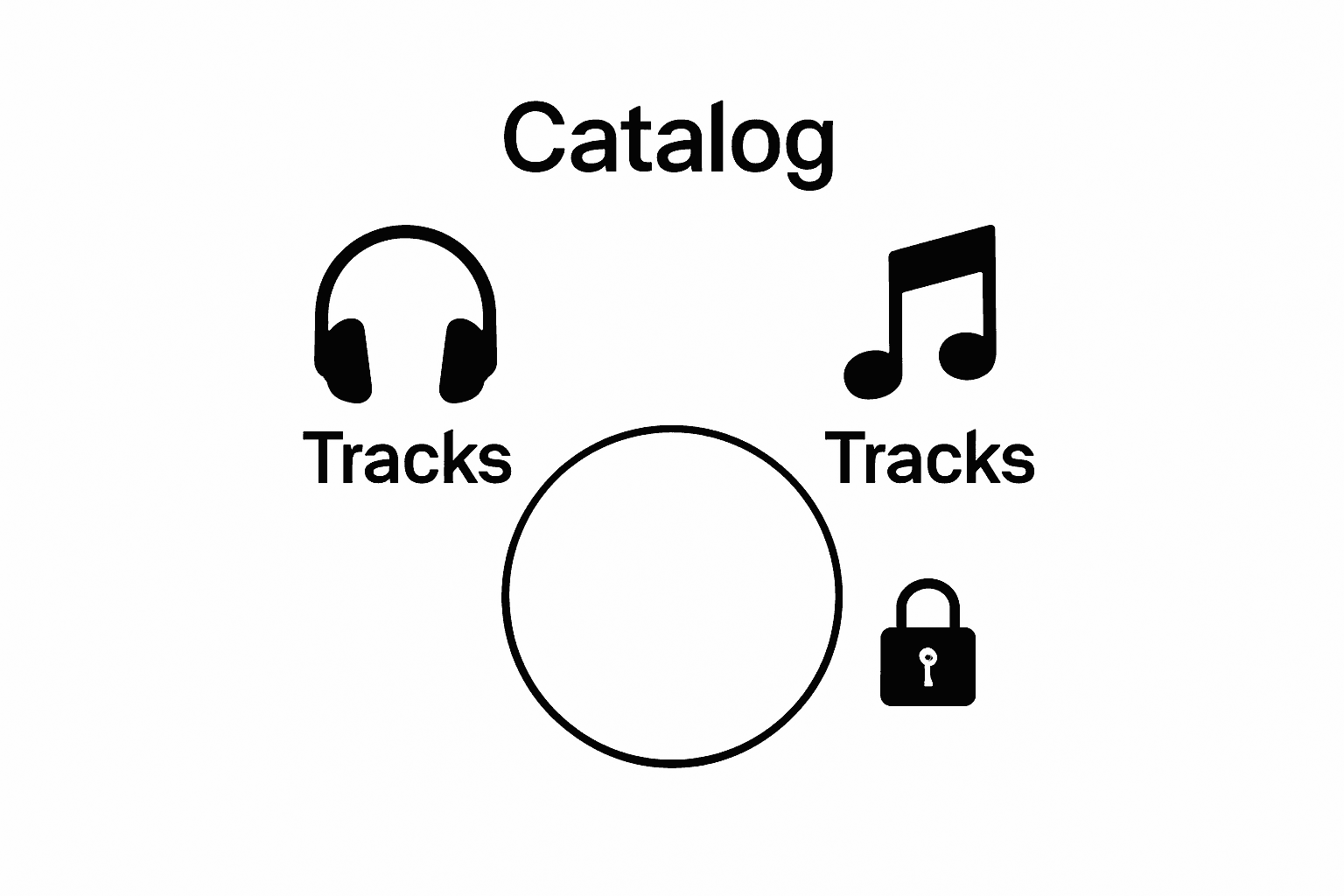
Varje musikapp har sin egen katalog, sina egna låtuppgifter och sina egna licensavtal. Skillnaderna kan göra det svårt att flytta spellistor.
Tekniska hinder mellan appar
Apparna är uppbyggda på olika sätt, vilket påverkar hur väl det går att flytta spellistor mellan dem. Skillnader i musikkatalogerna är det största problemet. Varje app har egna musiklicenser, så alla låtar finns inte överallt.
Andra vanliga tekniska hinder:
- Olika ljudfilformat
- Olika sätt att lagra låtuppgifter
- Appspecifika kopieringsskydd
- Egna system för låt-ID:n i varje app
Licenser och rättigheter
Licensavtal påverkar också vad som går att föra över. Skivbolag, artister och appar förhandlar fram separata avtal. Avtalen avgör vilka låtar som är tillgängliga och var.
Vanliga licensrelaterade hinder är:
- Låtar som är blockerade i vissa regioner
- Låtar som bara finns i en app
- Avtal som gäller en viss artist
- Licenser som löper ut eller ändras med tiden
Läs om hur vi hanterar överföringar mellan plattformar för att lära dig mer om hur du kan hantera de här problemen.
Tabellen nedan jämför de viktigaste tekniska och licensrelaterade hindren du kan stöta på.
| Kompatibilitetsproblem | Vad det innebär |
|---|---|
| Skillnader i musikkatalogerna | Varje app har egna musiklicenser, så vissa låtar kan saknas i den nya appen. |
| Skillnader i ljudformat | Appar kan använda olika ljudformat, vilket kan påverka överföringen. |
| Skillnader i metadata | Appar lagrar låtuppgifter på olika sätt, vilket kan leda till felaktiga matchningar. |
| Digital rättighetshantering (DRM) | Kopieringsskydd kan hindra vissa låtar från att föras över. |
| System för låt-ID:n | Varje app identifierar låtar på sitt eget sätt, vilket försvårar automatisk matchning. |
| Regionala begränsningar | Vissa låtar är bara tillgängliga i vissa länder. |
| Exklusiva rättigheter | Visst innehåll finns bara i en app. |
Så bevarar du musiken och spellistorna vid en överföring
För att bevara din musik vid en överföring behöver du värna om både ljudkvaliteten och spellistornas struktur. Bra verktyg använder flera metoder för att undvika dataförlust.
Bevara ljudkvalitet och korrekta metadata
Att bevara ljudkvaliteten är särskilt viktigt vid en överföring. Tillförlitliga verktyg gör kontroller för att säkerställa att varje låt har förts över korrekt.
Kontrollerna omfattar vanligtvis att:
- Skapa ett unikt ID för varje låt för att bekräfta dess identitet
- Jämföra akustiska fingeravtryck mellan appar
- Upptäcka eventuella försämringar i ljudkvaliteten
- Spara säkerhetskopior om något skulle gå fel
Bevara spellistornas struktur
Utöver de enskilda låtarna är det också viktigt att bevara spellistornas struktur. Det innebär att behålla låtordning, grupperingar och sammanhang, inte bara själva låtarna.
Viktiga saker att bevara eller ta hänsyn till:
- Den ursprungliga låtordningen
- Mappar eller grupperingar för spellistor
- Anteckningar eller taggar som du själv har lagt till
- Begränsningar i den nya appen
Utforska våra strategier för att flytta spellistor för att lära dig mer om hur du skyddar dina spellistor vid en överföring.
Så används verktyg för att flytta spellistor i praktiken
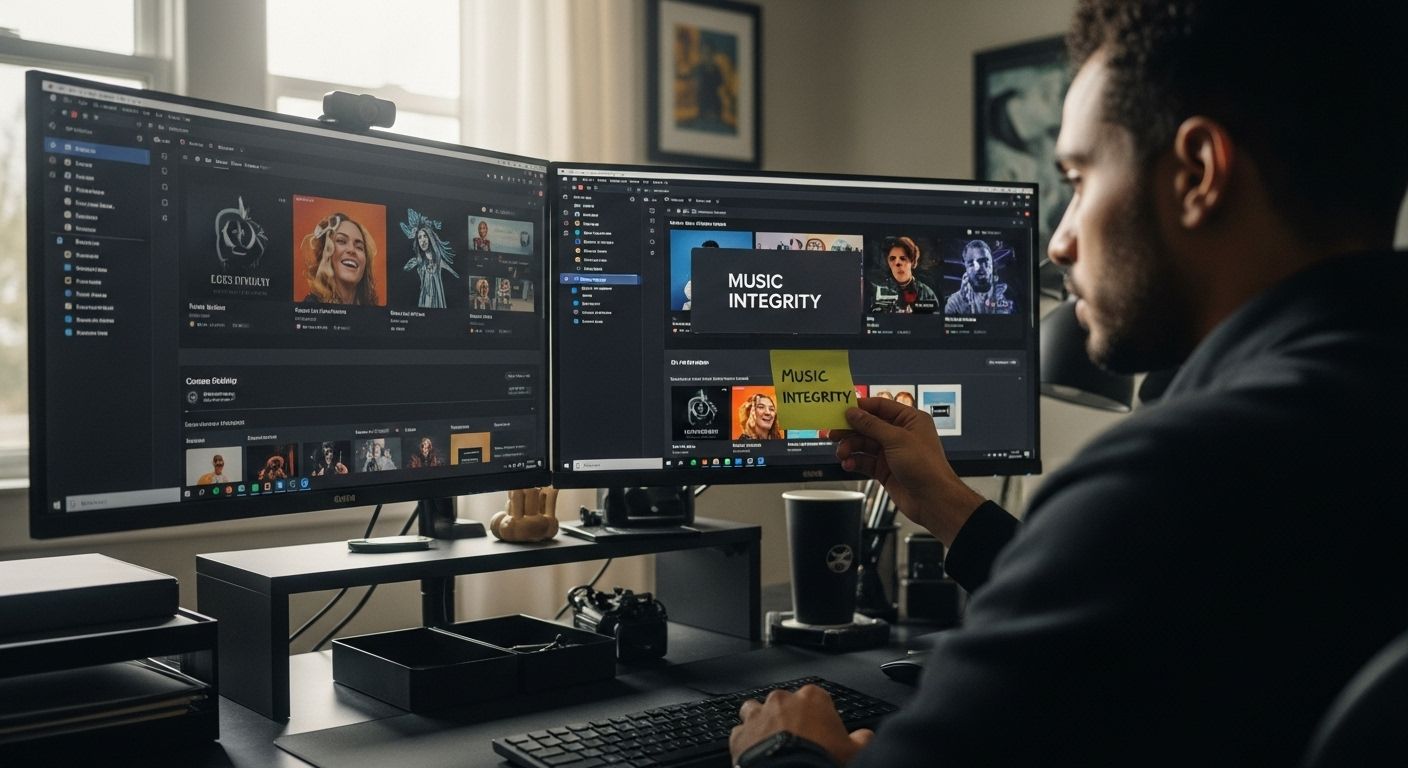
Verktyg för att flytta spellistor är till nytta för fler än dem som lyssnar då och då. De löser konkreta problem för både yrkesverksamma och musikälskare i vardagen.
Professionell och kreativ användning
Yrkesverksamma inom musik har stor nytta av överföringsverktyg. DJ:ar, producenter och radioprogramledare behöver snabbt kunna flytta komplexa spellistor utan att förlora strukturen.
Vanliga användningsområden i jobbet:
- Förbereda spellistor för livespelningar
- Samla musikbibliotek vid byte av app
- Säkerhetskopiera stora musiksamlingar
- Hantera spellistor tillsammans i ett team
Privat användning i vardagen
Vanliga lyssnare använder överföringsverktyg minst lika ofta. Med verktygen kan du anpassa ditt bibliotek när appar, priser och dina egna önskemål förändras.
Vanliga användningsområden för privatpersoner:
- Flytta biblioteket när du byter abonnemang
- Hålla dina omsorgsfullt skapade spellistor säkra
- Testa nya appar utan att förlora gamla spellistor
- Säkerhetskopiera ditt personliga musikbibliotek
Läs vår guide till att hantera musik på flera plattformar för fler exempel från verkligheten.
| Användartyp | Vanliga användningsområden |
|---|---|
| Yrkesverksamma (DJ:ar, producenter) | Förberedelser inför spelningar, samordning av musikbibliotek, säkerhetskopiering, samarbete i team |
| Privatpersoner | Byta app, bevara spellistor, utforska nya tjänster, säkerhetskopiera |
Flytta spellistor enkelt med Free Your Music
Trött på krånglet med att flytta spellistor mellan appar? Nu vet du hur du gör på bästa sätt. Det viktigaste är att bevara låtordningen och ljudkvaliteten.
De flesta stöter på tre problem: låtordningen går förlorad, fel låtversioner väljs och det tar timmar att bygga upp spellistorna igen för hand. Free Your Music skapades för att lösa alla tre.
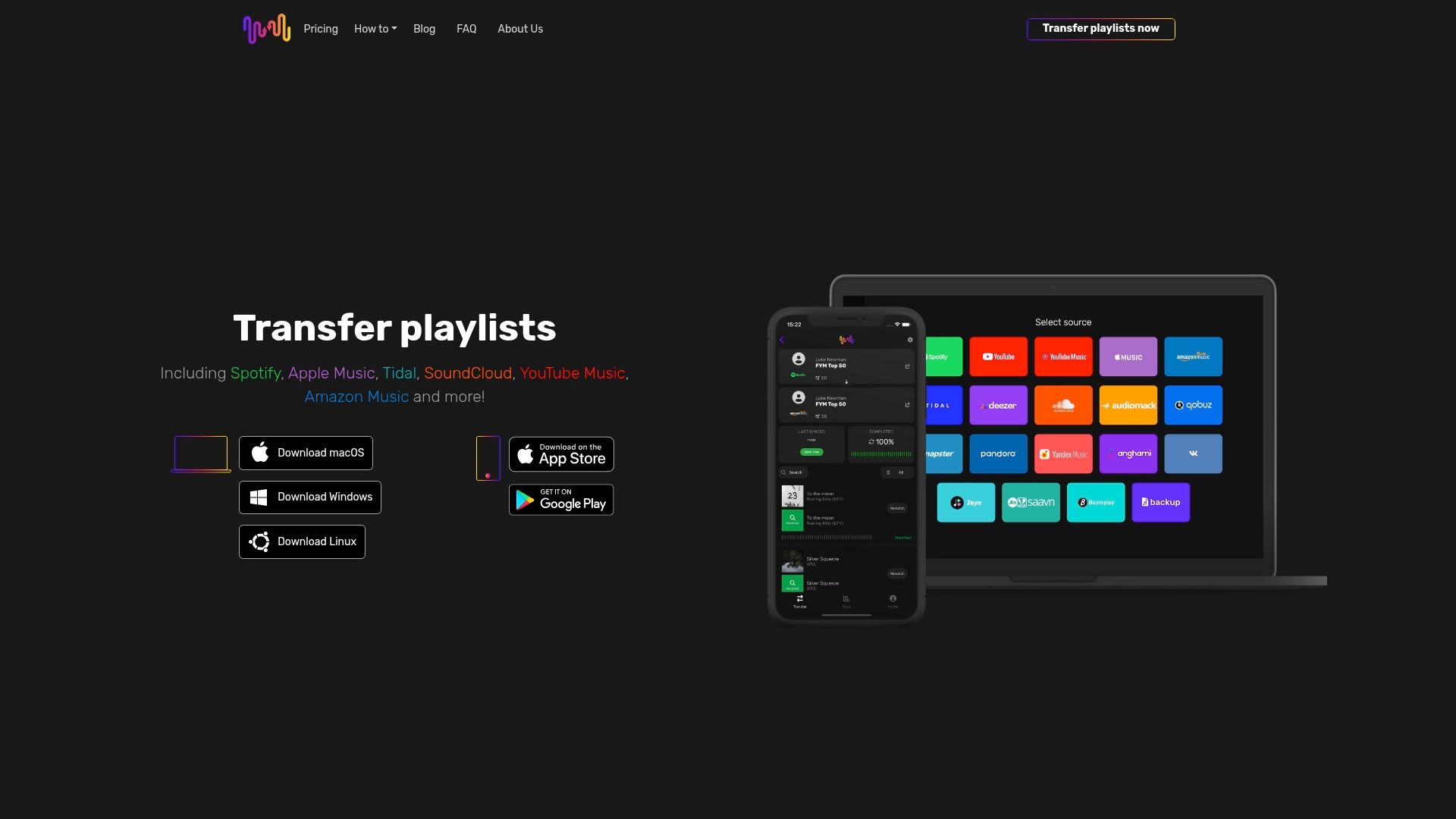
Med Free Your Music får du:
- Träffsäker låtmatchning mellan 18 streamingtjänster som stöds
- En gratisversion som för över dina första 600 låtar utan kostnad
- Obegränsade överföringar med Premium, plus automatisk synkronisering var 15:e minut
- Appar för iPhone, Android, Mac, Windows och Linux
- Pålitlig support när du behöver den
Låt inte plattformsbegränsningar eller långsamma överföringar stå i vägen. Besök FreeYourMusic.com och flytta dina spellistor redan idag.
Vanliga frågor
Vad innebär det att flytta spellistor?
Det innebär att föra över dina spellistor från en streamingapp till en annan. Du behöver inte bygga upp dem igen för hand.
Varför är det viktigt för musikälskare att kunna flytta spellistor?
Det gör att du kan behålla dina omsorgsfullt skapade spellistor när du byter app. Annars riskerar du att förlora både din musiksamling och den lyssningsupplevelse du byggt upp.
Hur fungerar matchning av metadata?
Matchning av metadata jämför låtuppgifter, som titel och artist, mellan två appar. Det hjälper verktyget att hitta rätt motsvarande låt i den nya appen.
Hur lyckas jag bäst med överföringen?
Kontrollera ljudkvaliteten efter överföringen. Bevara spellistornas ursprungliga ordning. Använd ett verktyg som är byggt för att hantera skillnader mellan streamingtjänster.
Dina spellistor tillhör dig.
Sluta bygga om för hand. Flytta allt på några minuter och ta med dig musiken vart du vill.
Ladda ner gratis →SongsBrew — vårt gratis musiknyhetsbrev
En gratis förmån för FYM-användare. Tips, spellistor, ingen spam.