What Is Playlist Matching? Complete Guide for 2025

More than 80 percent of American listeners now subscribe to at least one music streaming service, making playlist matching more relevant than ever. With countless hours spent curating personal music collections, the thought of losing playlists during a switch between platforms is a real concern. This article explores the powerful technology behind seamless playlist matching, revealing how modern solutions allow American music fans to keep their favorite tracks intact wherever they choose to stream.
Table of Contents
- Defining Playlist Matching In Music Streaming
- Types Of Playlist Matching Algorithms Explained
- How Playlist Matching Works Across Platforms
- Benefits And Drawbacks Of Playlist Matching
- Common Issues And Best Practices For Users
Key Takeaways
| Point | Details |
|---|---|
| Playlist Matching Technology | This technology allows users to transfer and synchronize playlists across different music streaming platforms while maintaining emotional and contextual integrity. |
| Algorithm Complexity | Various algorithms, including metadata matching and audio fingerprinting, are utilized to accurately match tracks, addressing challenges like remixes and regional variations. |
| Challenges and Considerations | Users should prepare for potential issues, such as metadata mismatches and track availability, when migrating playlists to ensure a smooth transfer. |
| Continuous Evolution | As playlist matching technology advances, it aims to enhance user satisfaction by providing more flexible and accurate music collection management across platforms. |
Defining Playlist Matching in Music Streaming
Playlist matching represents an advanced digital music technology that enables seamless transfer and synchronization of music playlists across different streaming platforms. At its core, this process involves identifying and mapping identical or similar tracks between various music services, ensuring users can preserve their curated music collections when switching platforms.
The technical complexity of playlist matching stems from the intricate challenges of track identification. Automatic playlist continuation frameworks have emerged as sophisticated solutions that preserve musical characteristics while aligning with user preferences. These systems utilize complex algorithms that analyze multiple track attributes beyond simple metadata, including:
- Audio fingerprinting techniques
- Acoustic similarity measurements
- Machine learning pattern recognition
- Metadata cross-referencing
Advanced playlist matching technologies now leverage reinforcement learning approaches to optimize user satisfaction. These intelligent systems can navigate massive music libraries and handle nuanced track variations, addressing challenges like different versions, remixes, and regional music catalog differences. The goal is not just mechanical track replacement, but maintaining the emotional and contextual integrity of the original playlist.
For music enthusiasts and streamers, playlist matching represents more than a technical convenience—it's a bridge between digital music ecosystems. By enabling users to effortlessly transfer music playlist data across platforms, these technologies democratize music consumption and give listeners unprecedented flexibility in managing their audio experiences.
Types of Playlist Matching Algorithms Explained
Playlist matching algorithms represent sophisticated technological approaches designed to map and transfer music tracks across different streaming platforms. These algorithms vary significantly in complexity, ranging from basic metadata comparison to advanced machine learning techniques that analyze deep musical characteristics.
One prominent category involves metadata matching algorithms, which primarily compare track information like artist name, song title, album, and duration. While straightforward, these methods struggle with variations like remixes, live versions, or regional releases. More advanced techniques have emerged to address these limitations. Multi-modal recommendation systems now integrate language and audio relational pre-training, enabling more nuanced track identification even for songs with limited interaction data.
Advanced playlist matching strategies include:
- Audio fingerprinting algorithms: Analyze unique acoustic signatures
- Machine learning clustering techniques: Group similar tracks based on complex audio features
- Collaborative filtering methods: Leverage user listening patterns
- Deep learning neural networks: Generate probabilistic track recommendations
Cutting-edge approaches like music recommender systems now employ self-supervised learning and innovative session augmentation methods. These sophisticated algorithms can handle complex scenarios such as cold-start recommendations, where minimal historical data exists. By understanding playlist structure, these technologies ensure seamless musical experiences across different streaming ecosystems.

How Playlist Matching Works Across Platforms
Playlist matching across different music streaming platforms involves complex technological processes that bridge disparate digital ecosystems. The fundamental challenge lies in translating musical collections seamlessly, accounting for variations in catalog content, metadata structures, and platform-specific algorithmic approaches.

Platform-specific music playlist adoption reveals significant differences in how streaming services handle track identification and transfer. These variations stem from unique metadata databases, licensing agreements, and algorithmic frameworks that each platform maintains. Some services prioritize exact track matching, while others employ more flexible approaches that consider acoustic similarities, artist relationships, and listening patterns.
Advanced matching technologies now utilize sophisticated techniques to overcome traditional limitations:
- Acoustic fingerprinting: Analyze sound wave characteristics
- Metadata cross-referencing: Compare track information across databases
- Machine learning embeddings: Create dynamic representation models
- User preference mapping: Incorporate listening history
Dynamic artist-based embeddings represent a cutting-edge approach to playlist matching, generating low-dimensional representations that capture nuanced musical relationships. By understanding playlist import mechanics, these technologies can now create near-perfect musical translations across different streaming platforms, ensuring users retain the emotional and structural integrity of their original playlists.
Benefits and Drawbacks of Playlist Matching
Playlist matching represents a transformative technology for music enthusiasts, offering unprecedented flexibility in managing digital music collections. While the process promises seamless music library transitions, it also introduces complex technological and user experience challenges that require careful consideration.
Cross-cultural playlist research reveals the nuanced ways users interact with music collections, highlighting both the potential and limitations of playlist matching technologies. The benefits are substantial, including:
- Seamless music library migration
- Preservation of curated musical experiences
- Cross-platform music collection management
- Reduced manual track re-adding
However, playlist matching is not without significant drawbacks. Playlist coherence studies demonstrate that algorithmic transfers can sometimes compromise the emotional and contextual integrity of user-created playlists. Technical challenges emerge from differences in:
- Metadata interpretation
- Licensing restrictions
- Platform-specific audio encoding
- Variant track versions
By understanding playlist migration challenges, users can set realistic expectations about the matching process. While the technology continues to evolve, playlist matching remains a promising solution for music lovers seeking greater digital music flexibility.
Common Issues and Best Practices for Users
Playlist matching technologies present complex challenges that require strategic user approaches to maximize successful music library transfers. Understanding potential pitfalls and implementing proactive strategies can significantly improve the overall playlist migration experience.
Research on platform playlist dynamics highlights critical user considerations during playlist transfers. Users should anticipate and prepare for potential complications by:
- Backing up original playlists before transfer
- Verifying track availability across platforms
- Checking metadata compatibility
- Reviewing transfer accuracy post-migration
Collaborative playlist research reveals additional nuanced challenges. User perspectives on playlist features emphasize the importance of maintaining playlist integrity during transfers. Common issues include:
- Metadata mismatches
- Incomplete track transfers
- Loss of playlist ordering
- Variations in audio quality
By understanding playlist transfer challenges, users can develop realistic expectations and implement effective migration strategies. Successful playlist matching requires patience, careful verification, and an understanding that no transfer process is 100% perfect.
Unlock Effortless Playlist Matching with FreeYourMusic.com
Playlist matching is a complex process involving audio fingerprinting, metadata cross-referencing, and advanced machine learning techniques to ensure your playlists keep their emotional and structural integrity when you switch music streaming platforms. The challenge lies in overcoming issues like track version differences, metadata mismatches, and licensing restrictions that can disrupt your carefully curated playlists. If you want to avoid the frustration of incomplete transfers or lost tracks, you need a reliable solution that handles these complexities for you.
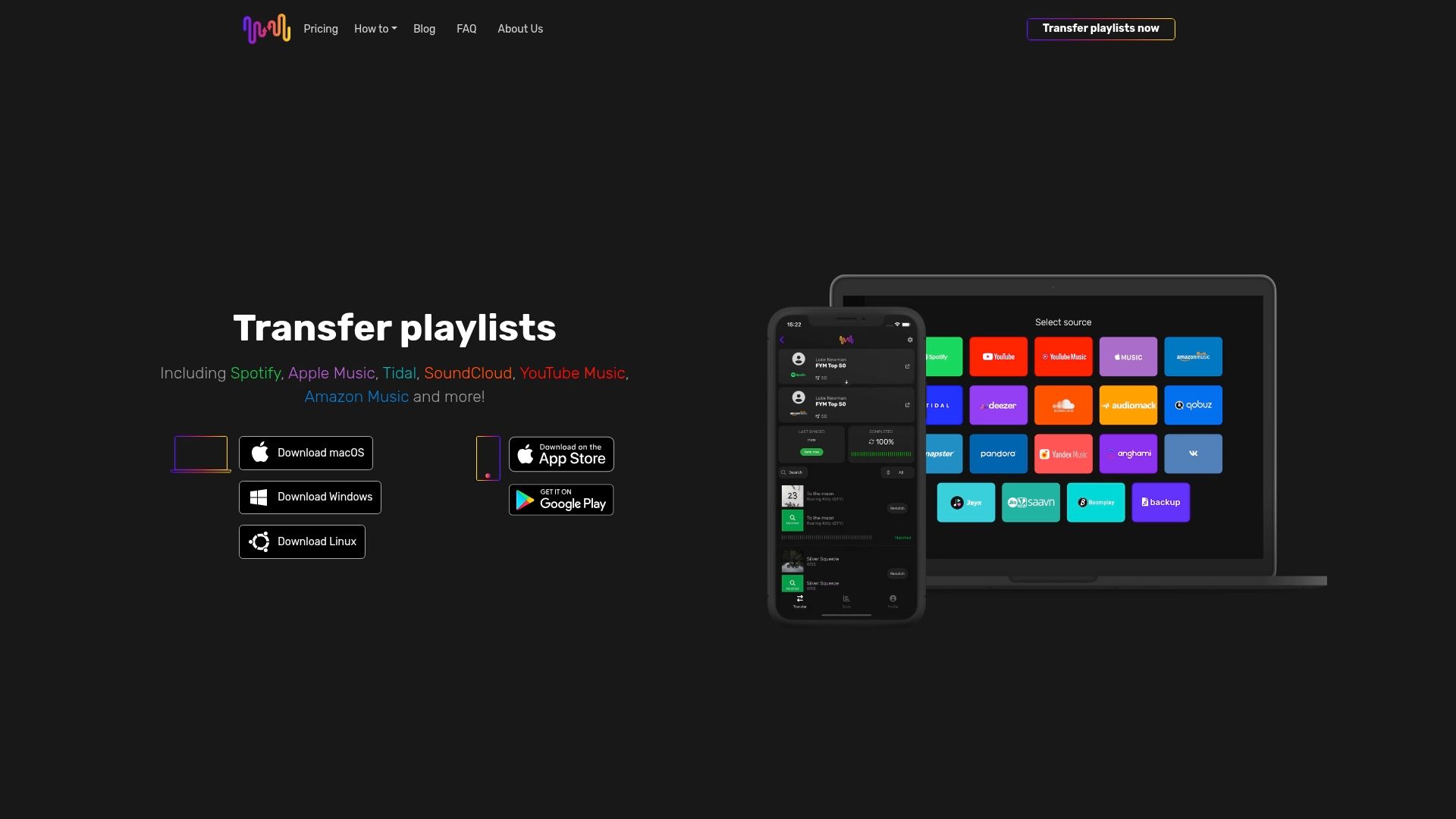
Experience seamless playlist migration with FreeYourMusic.com, the specialized platform designed to preserve your music collections exactly as you created them. Supporting unlimited playlist transfers across Spotify, Apple Music, Tidal, YouTube Music, Amazon Music, and more, FreeYourMusic.com uses advanced matching technology to maintain playlist order and integrity. Don't let complicated platform disparities hold back your music experience. Visit FreeYourMusic.com now and take control of your music library with ease and confidence.
Frequently Asked Questions
What is playlist matching in music streaming?
Playlist matching refers to the technology used to transfer and synchronize music playlists across different streaming platforms, ensuring that users can maintain their curated collections when switching services.
How do playlist matching algorithms work?
Playlist matching algorithms identify and map similar or identical tracks across platforms. They use various techniques, including metadata comparison, audio fingerprinting, and machine learning, to ensure accurate track matching.
What are the benefits of using playlist matching?
The primary benefits of playlist matching include seamless migration of music libraries, preservation of curated playlists, simplifying cross-platform music management, and reducing the need for manual track re-adding after switching services.
What common issues can arise during playlist matching?
Common issues with playlist matching include metadata mismatches, incomplete track transfers, loss of playlist ordering, and variations in audio quality, which can impact the overall user experience when migrating playlists.
Recommended
- Free Your Music - How to Make Money Making Playlists
- Free Your Music - Understanding Playlist Transfer Best Practices for Users
- Free Your Music - Understanding the Benefits of Playlist Migration
- Free Your Music - Understanding What is Playlist Import and Its Importance
- role of ai in job matching - ParakeetAI
Your playlists belong to you.
Stop rebuilding by hand. Move everything in minutes and take your music wherever you go.
Download free →SongsBrew — our free music newsletter
A free perk for FYM users. Tips, playlists, no spam.