Cross-Platform Music: Empowering Seamless Playlist Migration
May 18, 2026

Switching from Spotify to Apple Music should not mean leaving your carefully crafted playlists behind. As digital platforms like Spotify and Apple Music become central to global music culture, tech-savvy listeners need efficient ways to connect their favorite tracks across different streaming services. This guide explores cross-platform music solutions that offer automated playlist migration, metadata preservation, and intelligent song matching, making it easier to enjoy a seamless music experience wherever you go.
Table of Contents
- Defining Cross-Platform Music Solutions
- Supported Streaming Services And Platforms
- How Playlist Migration Technology Works
- Key Features For Accurate Music Transfer
- Privacy, Security, And Common Pitfalls
Key Takeaways
| Point | Details |
|---|---|
| Cross-Platform Music Solutions | These technologies allow users to share and transfer music effortlessly across various streaming platforms, enhancing user experience and flexibility. |
| Playlist Migration Technology | Facilitates easy movement of playlists while preserving original metadata and preferences, using advanced algorithms for accuracy. |
| Major Streaming Services | Each platform has unique features catering to different user needs, making it essential to choose based on specific music preferences. |
| Privacy and Security Risks | Users should remain cautious of potential privacy issues and data vulnerabilities during the transfer process and adopt protective measures. |
Defining Cross-Platform Music Solutions
Cross-platform music solutions represent sophisticated digital ecosystems that enable seamless music sharing and transfer across multiple streaming platforms. These innovative technologies empower users to break free from platform-specific limitations by creating flexible, interconnected music experiences.
At its core, cross-platform music functionality involves digital platform infrastructures that connect diverse music services through programmable interfaces. This approach transforms how music enthusiasts interact with their digital collections by providing unprecedented mobility and choice.
Key characteristics of cross-platform music solutions include:
- Automated playlist migration capabilities
- Preservation of original playlist metadata and ordering
- Support for multiple streaming service connections
- Intelligent song matching algorithms
- Cloud-based synchronization mechanisms
The technological foundation of these solutions relies on complex algorithmic processes that map musical content across different platforms. These systems must accurately translate track information, metadata, and user preferences while maintaining the integrity of the original playlist structure.
User Benefits:
- Freedom to switch between streaming platforms
- Reduced manual playlist recreation effort
- Comprehensive music library management
- Seamless music experience across devices
Pro tip: Always verify song compatibility and metadata accuracy before initiating a complete music library transfer to ensure optimal results.
Supported Streaming Services and Platforms
Music streaming platforms have evolved dramatically, creating a complex ecosystem of digital music streaming services that cater to diverse listener preferences. The modern music landscape encompasses a wide range of platforms, each offering unique features and content libraries that appeal to different user segments.
Major Streaming Services currently dominating the market include:
- Spotify
- Apple Music
- Amazon Music
- YouTube Music
- Tidal
- Pandora
- Deezer
- SoundCloud
Each platform brings distinct characteristics to the music streaming experience. Spotify leads with its sophisticated recommendation algorithms, while Apple Music integrates seamlessly with iOS ecosystems. YouTube Music offers extensive music video content, and Tidal provides high-fidelity audio for audiophiles.

Here's a summary of how major music streaming platforms differ in unique features and user focus:
| Platform | Distinctive Feature | Ideal User Type |
|---|---|---|
| Spotify | Discover Weekly recommendations | Casual and social listeners |
| Apple Music | Deep integration with Apple | iOS device owners |
| Tidal | Hi-Fi streaming and exclusives | Audiophiles and fans of artists |
| YouTube Music | Vast video catalog | Music video enthusiasts |
| Amazon Music | Alexa voice compatibility | Smart home users |
| Deezer | Flow personalized mix | Global music explorers |
| Pandora | Predictive radio playlists | Passive, radio-style users |
| SoundCloud | Indie artist uploads | Fans of new and emerging acts |
The complexity of these platforms requires advanced cross-platform solutions that can navigate different technical infrastructures. Technological compatibility becomes crucial when users want to transfer playlists, preserve metadata, and maintain musical preferences across multiple services.
Key Considerations for Platform Selection:
- Audio quality
- Library size
- Recommendation algorithms
- Pricing models
- Device compatibility
- Exclusive content availability
Platform Integration Challenges:
- Metadata translation
- Track matching accuracy
- Playlist structure preservation
- Handling regional music restrictions
Pro tip: Always research platform-specific features and compatibility before committing to a music transfer strategy to minimize potential data loss.
How Playlist Migration Technology Works
Playlist migration technology represents a sophisticated digital solution for seamless playlist transfer, enabling music enthusiasts to navigate complex streaming platform ecosystems with unprecedented ease. These advanced systems transform the way users manage and transport their musical collections across different digital environments.
Key Technical Components of playlist migration technology include:
- Advanced metadata matching algorithms
- Machine learning-powered track identification
- Cloud-based synchronization infrastructure
- Cross-platform API integration
- Intelligent playlist reconstruction mechanisms
The core functionality revolves around complex algorithmic processes that analyze and translate musical metadata between different streaming platforms. Matching Mechanisms work by comparing track attributes such as artist name, song title, album information, and unique identifiers to ensure accurate playlist recreation.
Technical Migration Workflow:
- Initial playlist source analysis
- Metadata extraction and standardization
- Cross-platform track matching
- Playlist reconstruction
- Verification and error correction
Technological Challenges:
The following table highlights typical challenges encountered during playlist migration, along with their business implications:
| Migration Challenge | Business Impact |
|---|---|
| Poor metadata matching | Customer dissatisfaction |
| Regional music restrictions | Limited service reach |
| License inconsistencies | Potential legal liabilities |
| Disrupted playlist structure | Reduced platform loyalty |
- Handling regional music availability
- Managing different platform metadata structures
- Preserving precise playlist ordering
- Addressing copyright and licensing restrictions
Pro tip: Always maintain a backup of your original playlist before initiating a transfer to protect against potential data inconsistencies.
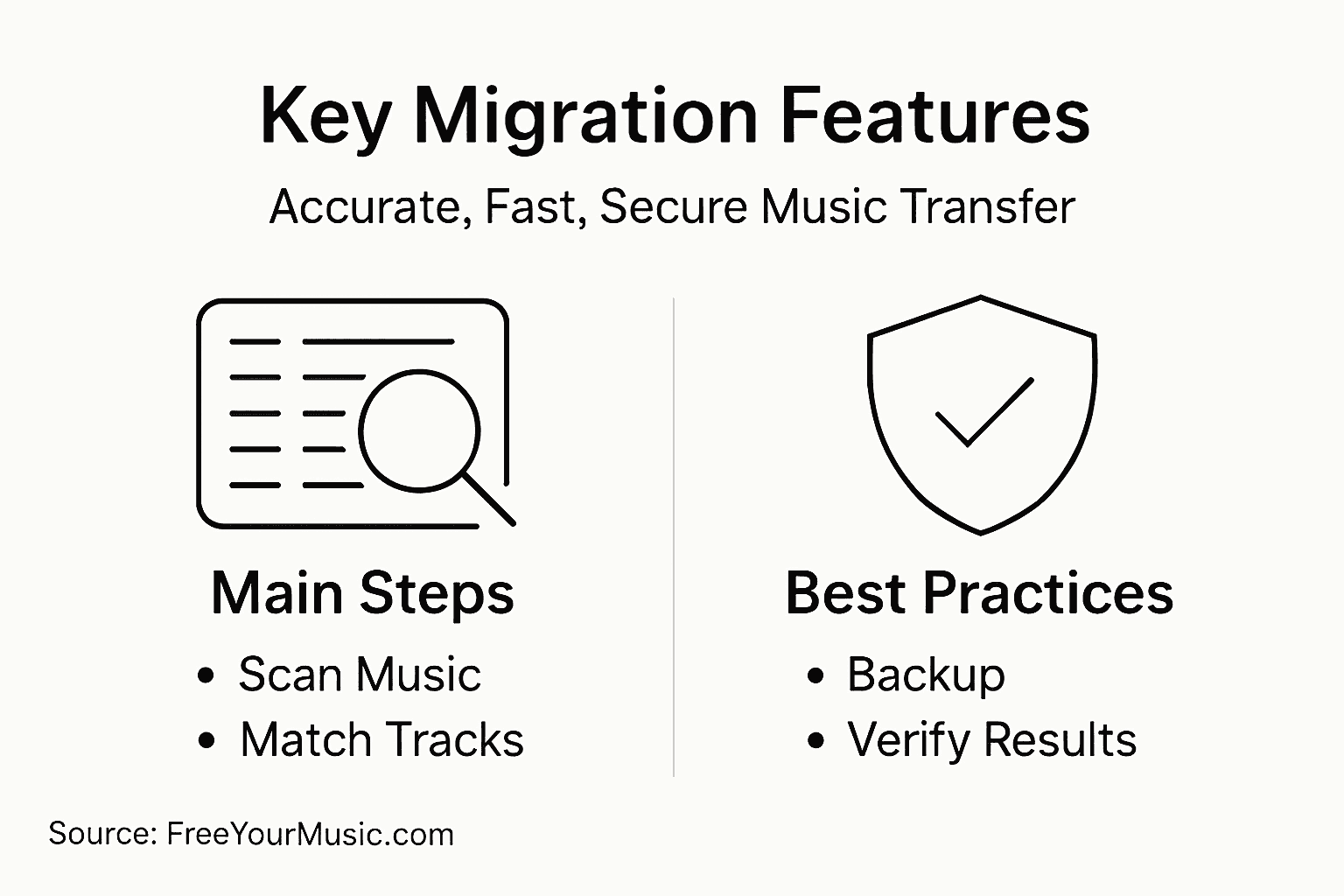
Key Features for Accurate Music Transfer
Accurate music transfer depends on sophisticated technological capabilities, with music collection transfer strategies providing critical infrastructure for seamless digital music migration. These advanced systems ensure that users can move their carefully curated playlists between platforms without losing musical context or playlist integrity.
Essential Accuracy Features:
- Precise track matching algorithms
- Comprehensive metadata preservation
- Multi-platform compatibility
- Intelligent song replacement mechanisms
- Playlist structure retention
- Handling of regional music restrictions
The matching process involves complex computational techniques that go beyond simple title and artist comparisons. Advanced algorithms analyze multiple track attributes, including acoustic fingerprints, release dates, album information, and unique identifiers to ensure the most accurate song transfers possible.
Technical Accuracy Criteria:
- Exact track identification
- Metadata completeness
- Performance across different streaming platforms
- Minimizing manual intervention
- Maintaining original playlist order
Potential Transfer Challenges:
- Differences in music catalog availability
- Variations in platform metadata standards
- Copyright and licensing constraints
- Regional music distribution rights
Pro tip: Verify your playlist immediately after transfer and create a backup to ensure no critical tracks are inadvertently modified or lost.
Privacy, Security, and Common Pitfalls
Playlist migration involves complex digital interactions that demand rigorous attention to playlist transfer best practices. Users must navigate potential privacy risks and technical challenges when moving music collections between streaming platforms.
Primary Security Concerns:
- Personal data exposure
- Unauthorized account access
- Metadata privacy vulnerabilities
- Potential third-party data sharing
- Unintended subscription complications
- Platform-specific authentication risks
Common Pitfalls in Music Transfer:
- Incomplete playlist migration
- Metadata corruption
- Unexpected track replacements
- Loss of custom playlist arrangements
- Unintended subscription renewals or cancellations
Data Protection Strategies:
- Use trusted third-party migration tools
- Enable two-factor authentication
- Review platform privacy policies
- Minimize permissions during transfer
- Monitor account activity post-migration
Technical Transfer Vulnerabilities:
- Inconsistent platform licensing agreements
- Regional content restrictions
- Variations in metadata standards
- Complex digital rights management protocols
- Algorithmic matching inaccuracies
Pro tip: Create a comprehensive screenshot documentation of your original playlist before initiating any transfer process to maintain a reliable reference point.
Simplify Your Cross-Platform Music Experience Today
Managing playlists across multiple streaming services can feel overwhelming. The challenges of metadata mismatches, playlist structure loss, and transferring collections manually can create frustration and threaten your music enjoyment. This article highlights the power of cross-platform music solutions to overcome these hurdles by enabling seamless playlist migration, preserving metadata, and maintaining your carefully curated playlists.
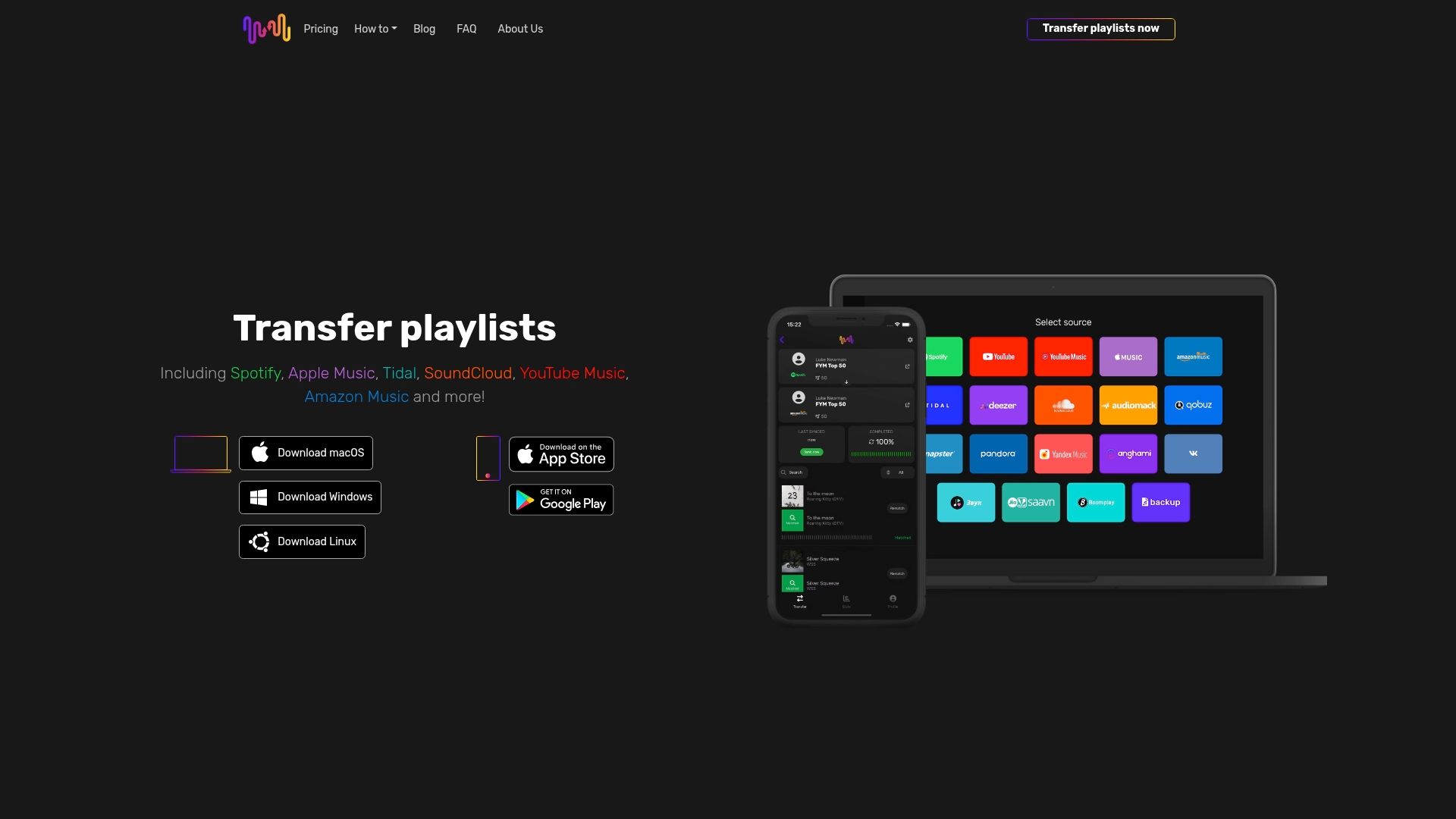
Take control of your music library with FreeYourMusic.com. Our easy-to-use platform specializes in automated playlist transfers between Spotify, Apple Music, YouTube Music, Tidal, Amazon Music, and more. Enjoy features like precise song matching, unlimited playlist transfers, cloud backup, and multi-account support to ensure your music moves safely and flawlessly. Don’t let platform restrictions hold your music hostage. Experience true freedom now by visiting FreeYourMusic.com and start migrating your playlists effortlessly.
Frequently Asked Questions
What are cross-platform music solutions?
Cross-platform music solutions are digital ecosystems that allow users to share and transfer music seamlessly across different streaming platforms, removing the limitations of being locked into a single service.
How does playlist migration technology work?
Playlist migration technology utilizes advanced algorithms and cloud-based synchronization to analyze, match, and transfer music playlists between different platforms while preserving metadata and original playlist structures.
What challenges can arise during playlist migration?
Common challenges in playlist migration include poor metadata matching, regional music restrictions, and maintaining the original playlist structure, which can impact user satisfaction and platform loyalty.
What should I do to ensure a successful playlist transfer?
To ensure a successful transfer, verify song compatibility and metadata accuracy before starting the migration, and retain a backup of your original playlist in case of any issues during the process.
Recommended


Migrate from and to any music services


Most popular Apple Music transfers: