Complete Guide to Migrating Playlist Collections
December 1, 2025
For many american music lovers, switching to a new streaming platform can mean hours spent manually rebuilding the playlists they cherish. With over 80 percent of users saying their playlists reflect personal memories and milestones, the risk of losing these collections hits hard. Playlist migration promises a smarter route, helping people keep their songs, order, and unique musical stories safe during any switch. Discover how these tools transform a complicated process into a seamless digital move.
Table of Contents
- Defining Playlist Migration and Its Purpose
- Core Benefits of Moving Playlists
- Unique Challenges With Music Platforms
- Risks and Limitations When Migrating
- Comparing Alternatives to Playlist Migration
Key Takeaways
| Point | Details |
|---|---|
| Importance of Playlist Migration | Allows users to transfer music collections across platforms while preserving song selections, order, and personal narratives. |
| Core Benefits | Offers preservation of musical memory, cost optimization, feature exploration, and continuous musical experience during platform transitions. |
| Challenges in Migration | Metadata discrepancies, licensing restrictions, and audio encoding differences complicate playlist transfers between streaming services. |
| Risks of Manual Alternatives | Manual reconstruction and alternative strategies are time-consuming and prone to errors, making automated migration tools a more efficient choice. |
Defining Playlist Migration and Its Purpose
Playlist migration represents a digital transformation process that allows music enthusiasts to transfer their carefully curated music collections across different streaming platforms. At its core, playlist migration enables users to seamlessly move playlists, preserving song selections, order, and personal musical narratives without manual reconstruction. Platforms like Free Your Music's migration tool simplify this complex process, eliminating the time-consuming task of rebuilding playlists from scratch.
The purpose of playlist migration extends beyond mere convenience. Music lovers invest significant time and emotional energy into creating playlists that reflect personal tastes, memories, and musical journeys. When switching streaming services due to better pricing, features, or audio quality, the potential loss of these meticulously crafted collections can be devastating. Migration tools resolve this challenge by automatically matching and transferring songs across platforms, ensuring that users retain their musical archives regardless of technological changes.
Users migrate playlists for various compelling reasons. Some seek better sound quality, more affordable subscription plans, or exclusive content unavailable on their current platform. Others might want to consolidate multiple accounts or explore new streaming ecosystems without sacrificing their existing musical collections. Understanding why third-party migration tools are crucial helps users recognize the value of these services in maintaining their personalized music libraries across evolving digital landscapes.
Modern playlist migration tools offer sophisticated features that go beyond simple song transfers. They can handle complex scenarios like identifying song variations, managing duplicate tracks, and maintaining original playlist ordering. This technological approach ensures that users experience a smooth, accurate transition between streaming platforms, preserving the intricate musical narratives they have carefully constructed over time.
Core Benefits of Moving Playlists
Playlist migration offers transformative advantages for music enthusiasts seeking flexibility and control over their digital music experience. Seamless platform transitions enable users to explore new streaming services without sacrificing their meticulously curated music collections. Understanding playlist transfer best practices reveals multiple strategic benefits that go far beyond simple song movement.

The primary benefits of moving playlists include preserving musical investments, accessing diverse platform features, and maintaining personal musical narratives. Users can leverage migration tools to explore platforms with superior audio quality, more competitive pricing, or unique content libraries without losing years of carefully assembled playlists. This technological solution eliminates the traditional barriers that previously locked music lovers into single streaming ecosystems, providing unprecedented freedom of choice.
Key benefits of playlist migration encompass several critical advantages:
- Preservation of Musical Memory: Retain playlists that represent personal musical journeys
- Cost Optimization: Switch to more affordable streaming platforms
- Feature Exploration: Access unique platform-specific capabilities
- Backup and Security: Create redundant copies of music collections
- Continuous Musical Experience: Maintain playlist integrity across different services
Beyond technical advantages, playlist migration represents a personal empowerment tool. Music playlist diversity highlights individual creativity and allows users to curate experiences that transcend traditional streaming limitations. By removing technological barriers, migration tools ensure that music remains a dynamic, personalized expression of individual taste and emotional connection.
Unique Challenges With Music Platforms
Music streaming platforms present a complex ecosystem of technical and user experience challenges that complicate playlist migration. Metadata inconsistencies represent one of the most significant barriers users encounter when attempting to transfer music collections between different services. Understanding music streaming platform variations reveals the intricate technical differences that can disrupt seemingly straightforward playlist transfers.
The primary challenges stem from divergent approaches to song cataloging, metadata storage, and track identification across platforms. Each streaming service maintains unique databases with varying track information, making precise song matching a sophisticated technical challenge. Some platforms might store additional metadata like album artwork, lyrics, or user annotations differently, which can lead to partial or incomplete playlist transfers that frustrate users seeking exact replication of their musical collections.
Key technical challenges in music platform migrations include:
- Metadata Discrepancies: Variations in song tracking and identification
- Licensing Restrictions: Different content availability across regions
- Audio Encoding Differences: Variations in file formats and quality
- Playlist Structure Complexity: Unique playlist organization methods
- Track Matching Accuracy: Challenges in identifying identical songs
Exploring music streaming platform examples demonstrates the intricate landscape of digital music services. These differences underscore the critical importance of sophisticated migration tools capable of navigating complex technical ecosystems, ensuring users can seamlessly transfer their musical memories across diverse digital platforms without losing the essence of their carefully curated collections.
Risks and Limitations When Migrating
Playlist migration, while offering significant advantages, involves several nuanced risks that users must carefully consider. Data integrity challenges can unexpectedly compromise musical collections during transfer processes, potentially resulting in lost songs, incomplete playlists, or metadata corruption. Understanding playlist transfer challenges reveals the complex technical landscape that can undermine seamless music collection migrations.

The most critical risks emerge from technical incompatibilities between streaming platforms. Different services maintain unique encoding standards, metadata structures, and licensing agreements that can create significant barriers during playlist transfers. Some tracks might be unavailable due to regional restrictions, while others could experience altered audio quality or missing supplementary information like album artwork, lyrics, or user-generated annotations. These discrepancies can fundamentally alter the musical experience users have meticulously crafted over time.
Key risks in playlist migration include:
- Incomplete Playlist Transfer: Potential loss of specific tracks
- Metadata Degradation: Reduced song information accuracy
- Licensing Restrictions: Regional content unavailability
- Audio Quality Variations: Potential sound profile changes
- Playlist Order Disruption: Potential reorganization of track sequences
Exploring music streaming platform variations underscores the importance of using sophisticated migration tools that can intelligently navigate these complex technical challenges. Successful migrations require robust algorithms capable of preserving musical collections' integrity, ensuring users can confidently explore new streaming ecosystems without sacrificing their carefully curated musical memories.
Comparing Alternatives to Playlist Migration
Users confronting playlist transfer challenges face multiple potential approaches, each with distinct advantages and limitations. Manual reconstruction represents the most basic alternative, requiring individuals to individually recreate playlists across different streaming platforms - a time-consuming and error-prone method that can consume hours of personal effort. Understanding best practices in playlist migration reveals why automated solutions have become increasingly preferable for music enthusiasts.
Alternative strategies for playlist management include manual copying, screenshot preservation, third-party export tools, and platform-specific transfer features. Manual copying involves laboriously retyping song titles and artist names, which introduces significant potential for human error. Screenshot preservation provides a visual record but offers no functional playlist recreation. Some streaming platforms offer limited native transfer capabilities, but these often suffer from incomplete matching and restricted cross-platform compatibility.
Key alternatives to comprehensive playlist migration include:
- Manual Reconstruction: Individually recreating playlists
- Screenshot Preservation: Capturing playlist snapshots
- Platform Native Transfer: Limited built-in migration tools
- Export/Import Text Lists: Transferring raw song information
- Partial Synchronization: Manually matching available tracks
Benefits of playlist migration strategies demonstrate that specialized migration tools remain the most efficient approach. These sophisticated solutions intelligently navigate complex technical barriers, preserving musical collections' integrity while minimizing user effort and potential data loss during platform transitions.
Simplify Your Playlist Migration Journey Today
The Complete Guide to Migrating Playlist Collections highlights the challenges of preserving your musical memory during platform switches. If you have ever felt frustrated by metadata mismatches, lost tracks, or the time-consuming manual rebuilding of playlists, you are not alone. These pain points can disrupt your continuous musical experience and make switching streaming services seem overwhelming. Word like "metadata discrepancies" and "playlist order disruption" show why careful, automated solutions are essential.
FreeYourMusic.com understands these struggles and offers a powerful solution to help you transfer your playlists effortlessly across Spotify, Apple Music, Tidal, YouTube Music, Amazon Music, and more. Our tool ensures accurate song matching, maintains playlist structure and order, and supports unlimited playlist transfers so you never lose your carefully curated collections again. Experience the freedom to explore new streaming platforms without sacrificing your personal musical narratives.
Take control of your music library with confidence starting now.
Unlock effortless playlist migration with FreeYourMusic.com to protect your musical memories and save valuable time.
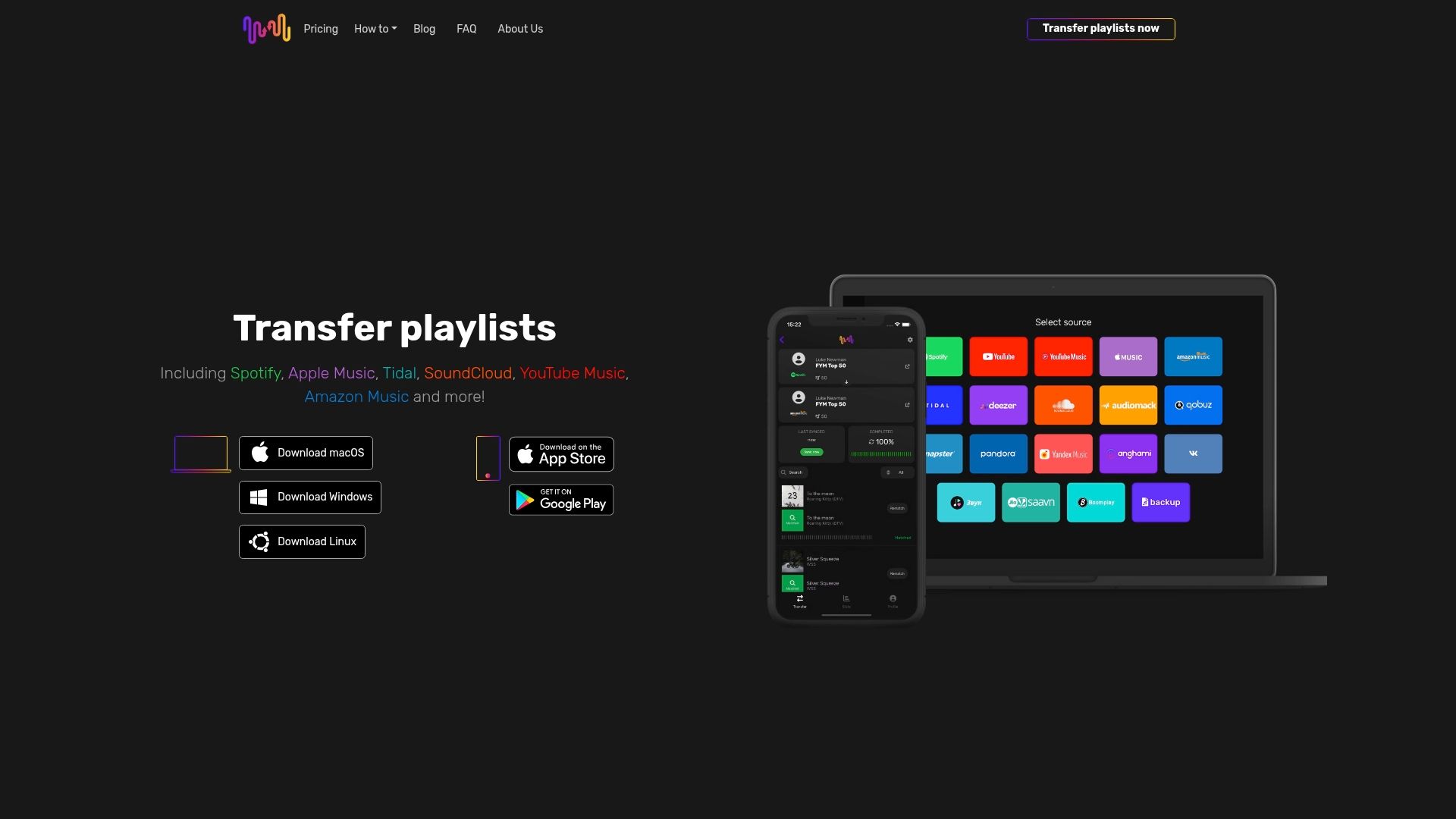
Ready to make the switch without losing your playlists? Visit FreeYourMusic.com and start your seamless migration today. Discover why thousands trust our service to keep their music collections intact and enjoy the freedom to explore any streaming platform hassle-free. Learn more about why use third party playlist migration tools and best practices in migrating your playlists at understanding playlist transfer best practices.
Frequently Asked Questions
What is playlist migration?
Playlist migration is the process of transferring music playlists from one streaming platform to another while preserving song selections, order, and personal narratives, ensuring users don’t have to rebuild their playlists manually.
Why should I consider using a migration tool for my playlists?
Using a migration tool simplifies the playlist transfer process by automatically matching and transferring songs across different platforms, allowing you to retain your musical libraries without the risk of losing your carefully curated collections during a service switch.
What challenges can I face during playlist migration?
Challenges during playlist migration can include metadata discrepancies between platforms, licensing restrictions that affect track availability, and potential loss of audio quality or song information during the transfer process.
Are there risks involved in migrating playlists?
Yes, risks include incomplete playlist transfers, metadata degradation, regional licensing issues that may limit song availability, variations in audio quality, and disruptions to the original playlist order.
Recommended


Migrate from and to any music services


Most popular Apple Music transfers: